Rivet press machine
1344×768 · AVIF · CC BY 4.0
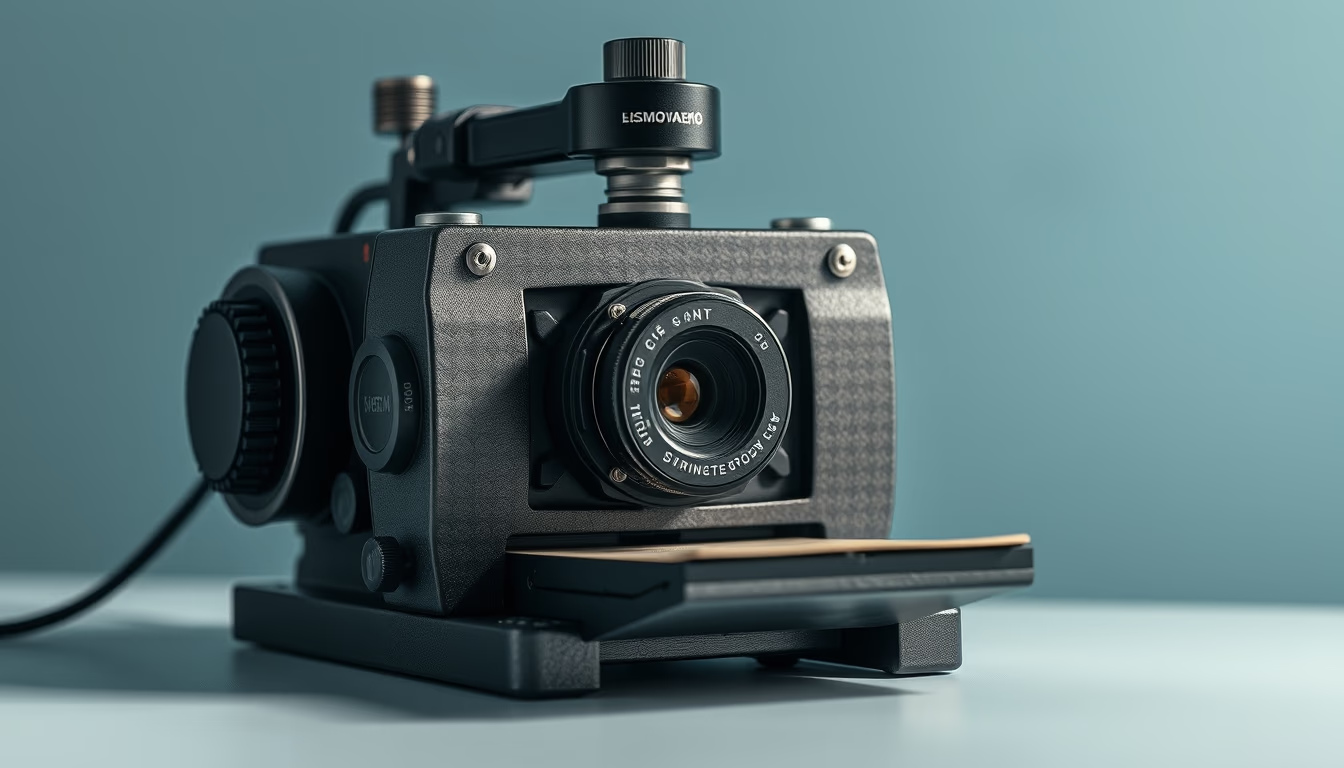
Rivet press machine for leather: essential tool for attaching metal components without stitching.
About this subject
The rivet press machine, also known as a rivet setter or rivet press, is essential equipment in leatherworking and light manufacturing. Unlike a hammer, it applies controlled pressure to deform the rivet, ensuring a secure fastening without damaging the material. Models range from manual lever presses to pneumatic and hydraulic versions, each suited to different production volumes and leather thicknesses.
In leather craft, rivets are used to join straps, attach buckles, fix handles, or decorate items such as belts, bags, and wallets. The press allows the operator to position the rivet and activate a lever or cylinder that compresses both parts of the rivet, creating a permanent joint. The even force prevents cracking and ensures the rivet stays in place during daily use.
Historically, leather riveting dates back to medieval times when artisans used hammers and hand-held anvils. The Industrial Revolution brought mechanical presses, and today pneumatic versions are common in small factories and workshops. Choosing the correct rivet depends on leather thickness and the load the joint will bear; brass, copper, and stainless steel rivets are most common. The pre-drilled hole must be slightly larger than the rivet shank to avoid damage.
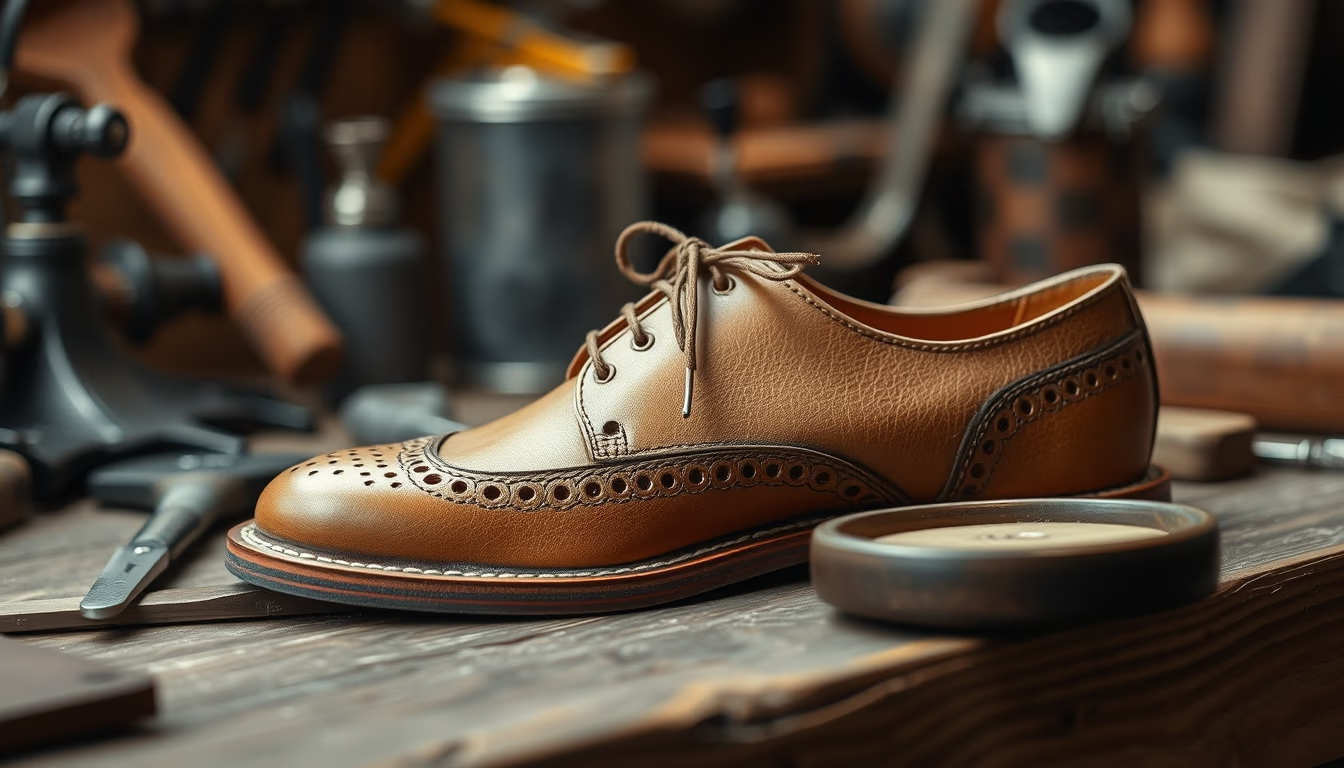
Interestingly, the rivet press is also used in shoemaking, automotive upholstery, and military gear, but in leatherworking it stands out for its clean finish and strength, often replacing stitching in high-stress areas.
Frequently Asked Questions
What is the difference between a manual and a pneumatic rivet press?
A manual rivet press uses a lever or wheel to apply pressure, suitable for small volumes and thin leather. Pneumatic models use compressed air for greater force and speed, ideal for continuous production and thicker materials.
How do I choose the correct rivet for leather?
Consider leather thickness, hole diameter, and load. Brass and copper rivets are common for crafts; stainless steel for higher strength. The rivet length should be enough to pass through layers and form the head without excess.
Do I need to make a hole before using a rivet press machine?
Yes, pre-drilling is essential to prevent tearing. Use an awl or drill bit slightly larger than the rivet shank. The hole should be clean and burr-free to ensure a proper fit.
Direct URL
https://pub-c7d6a6ea828543ac903a74a341ccb2e1.r2.dev/imagens/rivet-press-machine-lo-fi-disposable-camera-fresh9.avifHow to credit
Include a visible link back to UtilizAí. Copy one of the snippets below:
<a href="https://xn--utiliza-eza.com/en/midia/imagens/rivet-press-machine-lo-fi-disposable-camera-fresh9">Rivet press machine</a> by <a href="https://xn--utiliza-eza.com">UtilizAí</a>, licensed under <a href="https://creativecommons.org/licenses/by/4.0/">CC BY 4.0</a>.
[Rivet press machine](https://xn--utiliza-eza.com/en/midia/imagens/rivet-press-machine-lo-fi-disposable-camera-fresh9) by [UtilizAí](https://xn--utiliza-eza.com), CC BY 4.0
License: CC-BY-4.0