Rivet press machine
1344×768 · AVIF · CC BY 4.0
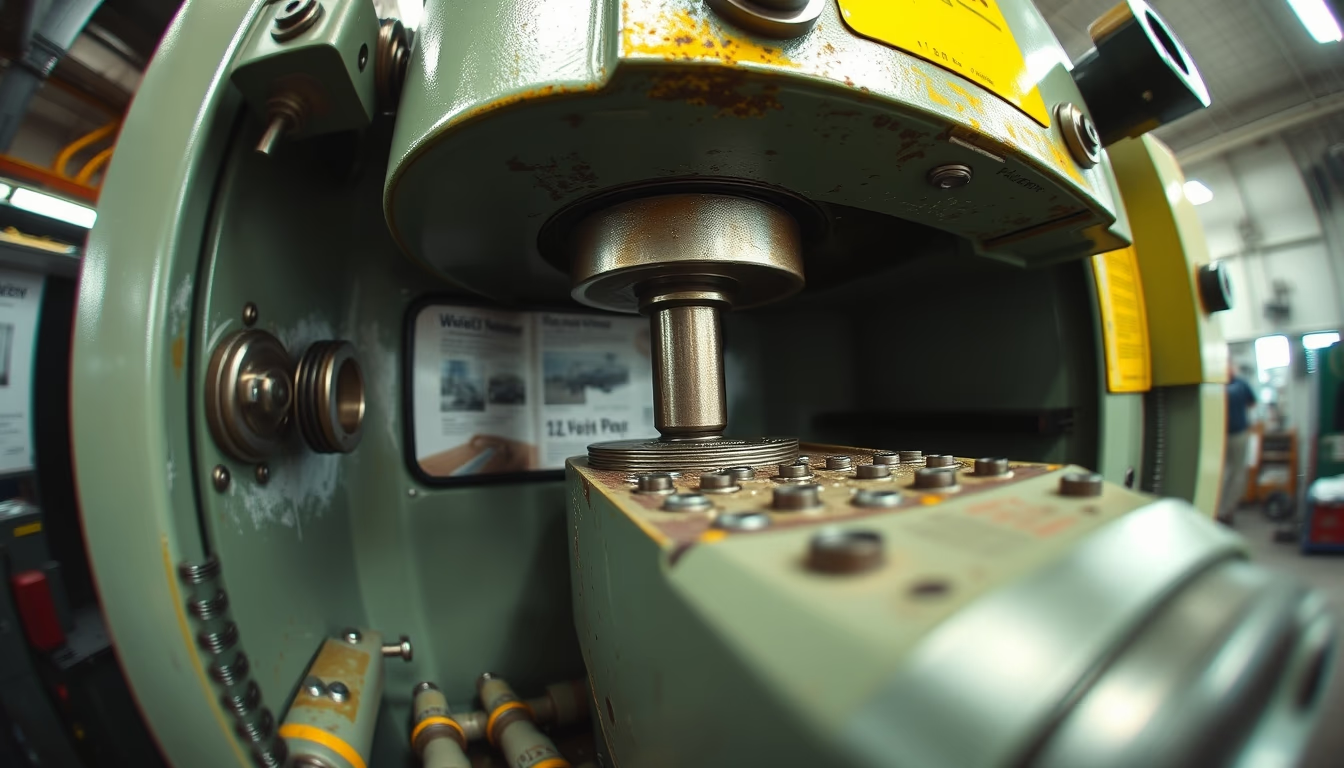
Rivet press machine for leather: guide on types, operation and applications in craft and industry.
About this subject
The rivet press machine is essential equipment in leatherworking and the leather industry. Its main function is to fasten rivets, eyelets, snap buttons, and other metal components to leather pieces, ensuring a strong and lasting bond. There are manual models, ideal for small workshops, and pneumatic or hydraulic versions used for large-scale production. The machine operates with a lever or cylinder system that applies controlled force to the rivet, shaping it against a specific die for each type of component.
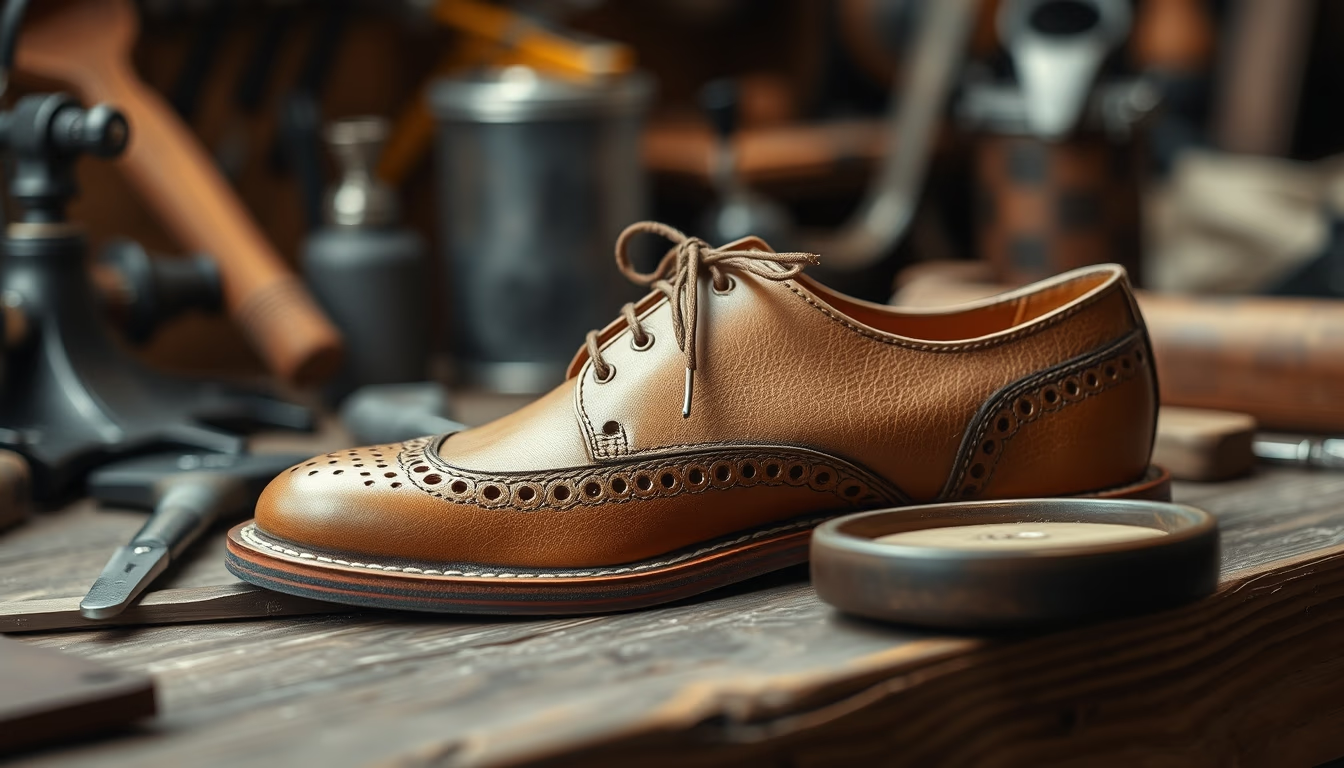
The history of rivets dates back to ancient times, but the modern press emerged during the Industrial Revolution with the development of machine tools. In the United States and other countries, the rivet press is widely used in making belts, bags, footwear, and regional leather goods, such as those used in rodeo and Western wear. Choosing the right model depends on the workload and leather thickness, with manual presses sufficient for thin leather and pneumatic presses handling thicker materials and larger rivets.
Key components include the punch and die, which must be changed according to the rivet's diameter and profile. Regular maintenance, such as lubrication and cleaning, is crucial to avoid wear and ensure precision. The force required to set a rivet can range from a few kilograms to several tons, depending on the model. Advanced machines feature depth adjustment and safety systems, such as pressure sensors and finger guards. For beginners, a manual bench press is recommended because it offers control and low cost.
In the fashion industry, rivet presses are used to create decorative and functional details on leather jackets, accessories, and even furniture. The versatility of these machines also allows for setting eyelets in canvas and thick fabrics, expanding their use beyond leather. With technological evolution, models with quick-change dies and digital force control have emerged, increasing productivity without compromising finish quality.
Frequently Asked Questions
How to choose a rivet press machine for leather?
Consider the production volume and leather thickness. Manual models are suitable for occasional use and thin leather, while pneumatic or hydraulic machines are recommended for continuous production and thicker materials. Also check the availability of dies for the rivets you use.
What are the most common types of rivets for leather?
The most common rivets are two-piece (male and female) made of brass, aluminum, or stainless steel. There are also tubular, solid, and press rivets (rapid rivets). Each type requires a specific die for setting.
How to set a rivet with a manual press?
Place the rivet into the pre-punched hole, position the correct die in the press, and squeeze the lever firmly until you hear the click of fixation. Always test on a scrap piece of leather first to adjust the force.
Direct URL
https://pub-c7d6a6ea828543ac903a74a341ccb2e1.r2.dev/imagens/rivet-press-machine-fish-eye-wide-angle-fresh13.avifHow to credit
Include a visible link back to UtilizAí. Copy one of the snippets below:
<a href="https://xn--utiliza-eza.com/en/midia/imagens/rivet-press-machine-fish-eye-wide-angle-fresh13">Rivet press machine</a> by <a href="https://xn--utiliza-eza.com">UtilizAí</a>, licensed under <a href="https://creativecommons.org/licenses/by/4.0/">CC BY 4.0</a>.
[Rivet press machine](https://xn--utiliza-eza.com/en/midia/imagens/rivet-press-machine-fish-eye-wide-angle-fresh13) by [UtilizAí](https://xn--utiliza-eza.com), CC BY 4.0
License: CC-BY-4.0