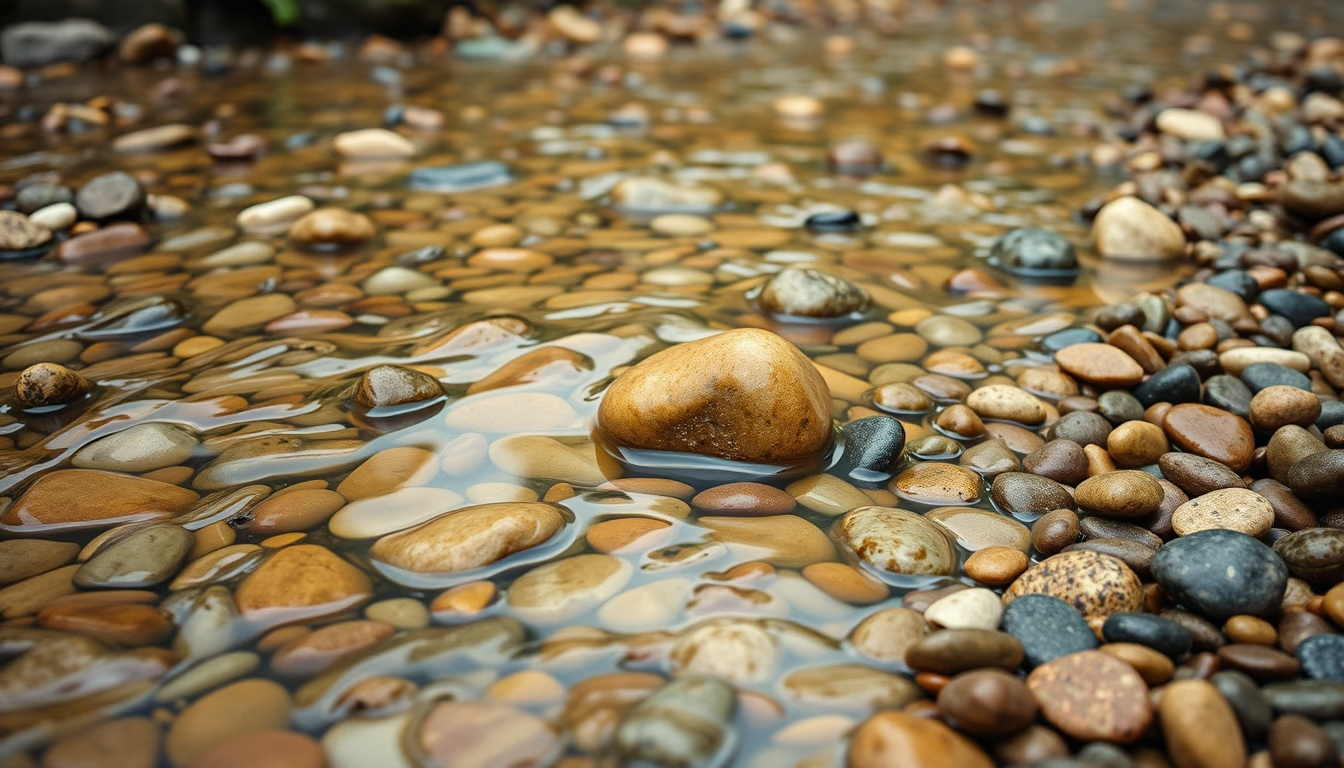
River smooth pebbles colorful
1344×768 · AVIF · CC BY 4.0
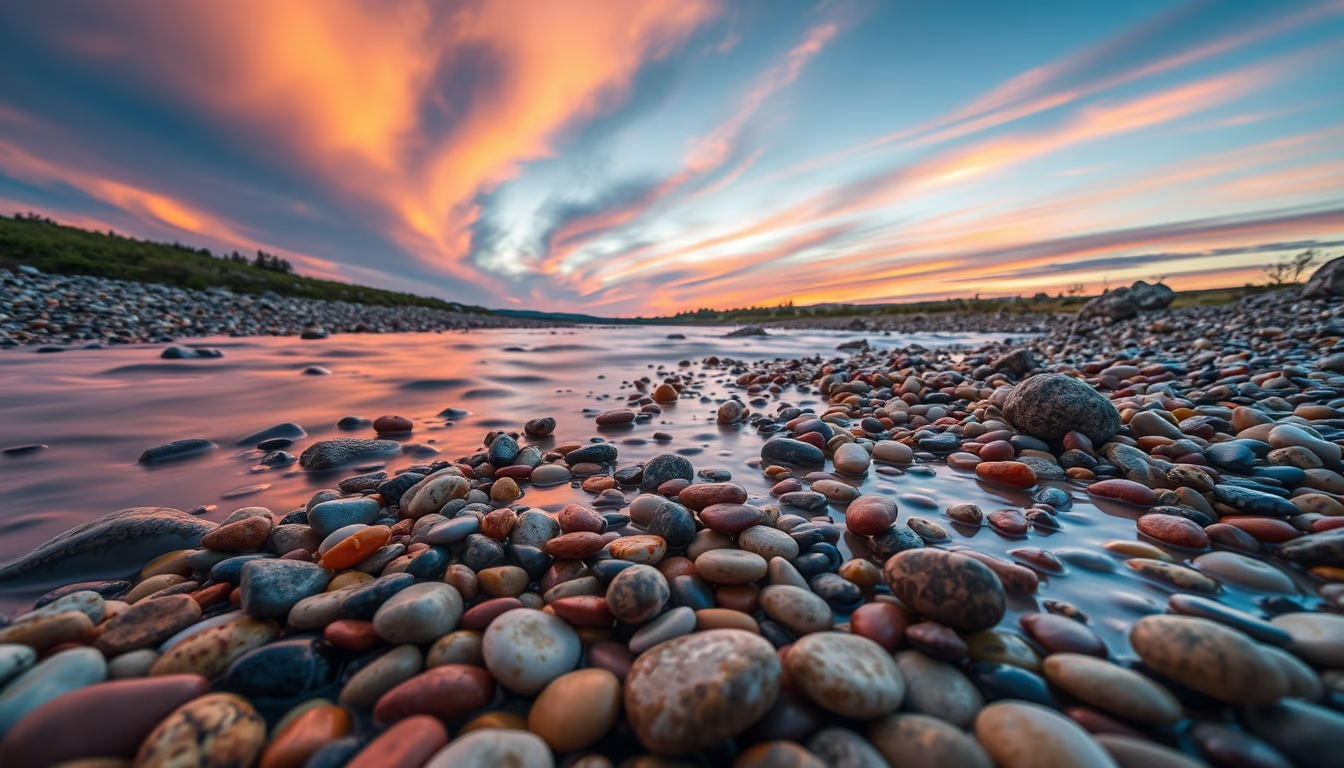
River smooth colorful pebbles are formed by millennia of abrasion and hold ecological and decorative significance.
About this subject
River pebbles, also known as cobbles or clasts, are rock fragments worn smooth and rounded by continuous water flow over millennia. This abrasive process removes sharp edges, resulting in smooth, oval or spherical surfaces. Colors vary with mineral composition: quartzite, granite, basalt, flint, and other rocks yield a palette including red, yellow, blue, green, black, and white. The chromatic diversity arises when different rock types mingle in the riverbed, enriching fluvial landscapes visually.
Geologically, pebble formation depends on flow energy and travel distance. More powerful rivers transport fragments longer distances, polishing and homogenizing shapes. In Brazil, colorful pebbles are common in rivers of mountainous regions like Chapada Diamantina and the São Francisco River, where erosion exposes various minerals. Beyond aesthetics, pebbles play an ecological role: they shelter microorganisms and serve as substrate for aquatic plants.
In decoration, pebbles are used in gardens, vases, aquariums, and even flooring and wall cladding. Their smooth surface and varied colors provide a natural, sophisticated look. It is important to note that excessive removal of pebbles can harm riverbank habitats, and is regulated in some places. Curiously, at pebble beaches like Pebble Beach in California, tourists are discouraged from taking stones to maintain the ecosystem.
The long-exposure photographic technique enhances the smoothness of shapes and color saturation, but the pebbles themselves carry a fascinating geological history. Each stone tells cycles of erosion, transport, and deposition, connecting distant landscapes across time.
Frequently Asked Questions
How are smooth and colorful river pebbles formed?
They form through continuous abrasion of rocks against the riverbed and each other, driven by the current. This wear removes sharp edges and polishes the surface. Colors come from minerals: iron oxide yields reddish tones, manganese produces black, copper creates green, and so on.
What is the ecological importance of pebbles in rivers?
Pebbles provide habitat for microorganisms, insect larvae, and algae. They also stabilize the riverbed, reduce erosion, and serve as substrate for aquatic plants, contributing to the biodiversity of the fluvial ecosystem.
Can pebbles be used decoratively in a sustainable way?
Yes, if sourced from authorized collectors or retailers that follow environmental quotas. Predatory collection threatens habitats, so it is better to use pebbles from reforestation areas or recycled sources, and avoid taking them directly from rivers.
Direct URL
https://pub-c7d6a6ea828543ac903a74a341ccb2e1.r2.dev/imagens/river-smooth-pebbles-colorful-long-exposure-fresh0.avifHow to credit
Include a visible link back to UtilizAí. Copy one of the snippets below:
<a href="https://xn--utiliza-eza.com/en/midia/imagens/river-smooth-pebbles-colorful-long-exposure-fresh0">River smooth pebbles colorful</a> by <a href="https://xn--utiliza-eza.com">UtilizAí</a>, licensed under <a href="https://creativecommons.org/licenses/by/4.0/">CC BY 4.0</a>.
[River smooth pebbles colorful](https://xn--utiliza-eza.com/en/midia/imagens/river-smooth-pebbles-colorful-long-exposure-fresh0) by [UtilizAí](https://xn--utiliza-eza.com), CC BY 4.0
License: CC-BY-4.0