Rio carnival float colorful
1344×768 · AVIF · CC BY 4.0
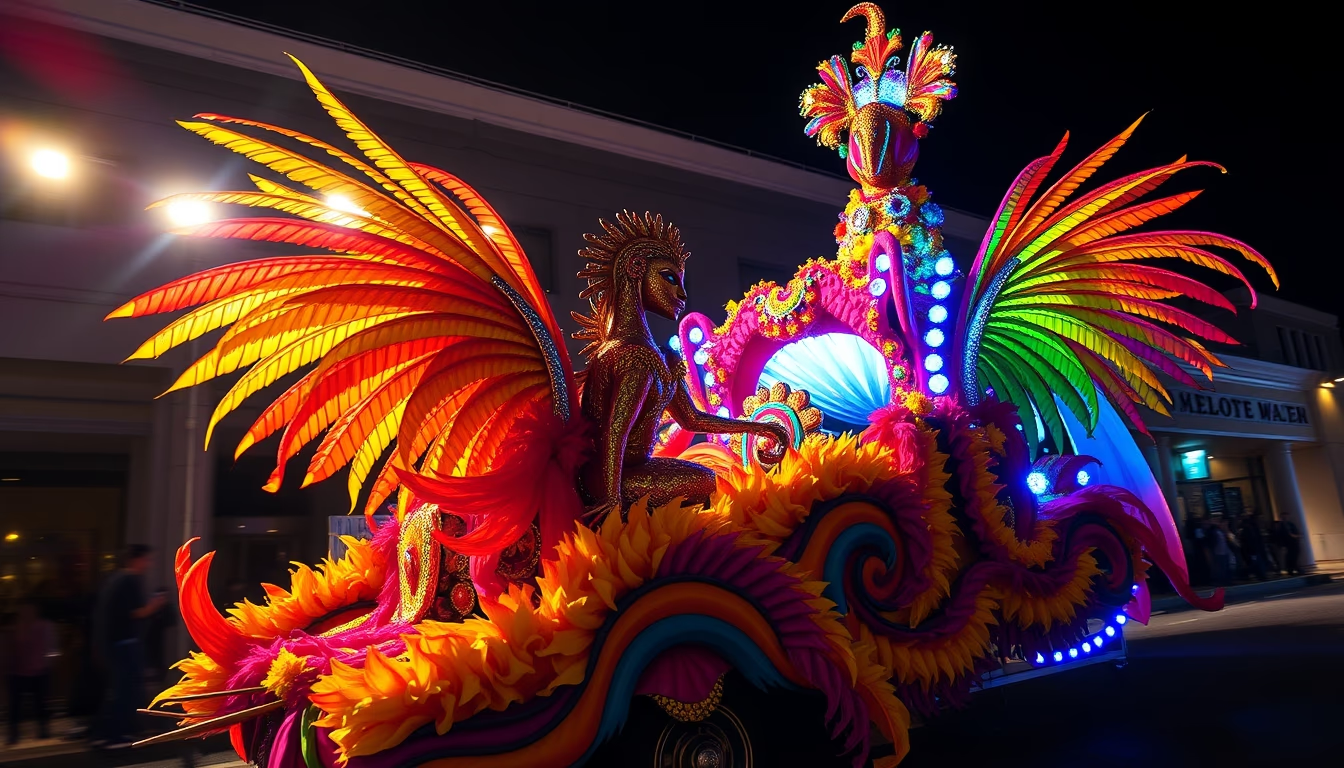
Carnival floats are the pinnacle of Rio's Carnival, combining engineering, art, and popular culture in grand parades at the Sambódromo.
About this subject
Rio de Janeiro's Carnival floats are true mobile works of art, sculpted by hundreds of artisans over months. Each float can weigh up to 80 tons and exceed 15 meters in height, requiring special traffic permits to parade on the days of the parade. Construction takes place in the samba school workshops, primarily in Cidade do Samba, an industrial complex dedicated to producing parade elements. The allegories are composed of iron and steel structures, covered with Styrofoam, fiberglass, and a myriad of recyclable materials such as PET bottles and Tetra Pak packages.
The theme of the floats is dictated by the school's plot (enredo), which can range from historical facts and biographies to legends and social criticism. A notable example was the 'Venus de Milo' float by Mangueira in 2016, which honored Greek culture with an articulated sculpture that moved during the parade. The technical leaders, known as 'carnavalescos', are architects or set designers who coordinate teams of sculptors, painters, electricians, and mechanics. Lighting and special effects, such as fire, water, and automated movements, are designed to impress the audience and judges.
Historically, Carnival floats evolved from simple decorated carriages in the 19th century to today's mega-structures. From the 1970s onward, with the professionalization of parades and corporate sponsorship, allegories grew in height and complexity. However, challenges such as a height limit of 6 meters (increased to 7 meters in 2018) and the need to ensure safety for both participants and the public led to constant innovation. Floats are inspected by engineers and firefighters before the parade to avoid accidents.
Beyond the technical aspect, allegories carry strong symbolism. They represent the creativity and cultural resistance of samba communities. Often, floats convey political or social criticism, like the 'Refugees' float by Porto da Pedra in 2018, depicting the global migration crisis. The beauty and luxury of the floats contrast with the reality of the favelas where many schools have their origins, showing that Carnival is a moment of catharsis and celebration of Brazilian identity.
Frequently Asked Questions
How many floats does a samba school parade?
Each samba school in the Special Group of Rio de Janeiro presents between 5 and 8 floats in the official parade at the Sambódromo, depending on the year's regulations.
How much does a Rio Carnival float cost?
The average cost of a float ranges from R$200,000 to R$1 million, including materials, labor, and special effects. The funds come from sponsorships, public subsidies, and costume sales.
Are Carnival floats reused after the parade?
Most floats are dismantled after the parade. Parts and materials like Styrofoam and iron are recycled or reused in other projects, but the main structure is usually destroyed.
Direct URL
https://pub-c7d6a6ea828543ac903a74a341ccb2e1.r2.dev/imagens/rio-carnival-float-colorful-rembrandt-lighting-dramatic-shadows-fresh12.avifHow to credit
Include a visible link back to UtilizAí. Copy one of the snippets below:
<a href="https://xn--utiliza-eza.com/en/midia/imagens/rio-carnival-float-colorful-rembrandt-lighting-dramatic-shadows-fresh12">Rio carnival float colorful</a> by <a href="https://xn--utiliza-eza.com">UtilizAí</a>, licensed under <a href="https://creativecommons.org/licenses/by/4.0/">CC BY 4.0</a>.
[Rio carnival float colorful](https://xn--utiliza-eza.com/en/midia/imagens/rio-carnival-float-colorful-rembrandt-lighting-dramatic-shadows-fresh12) by [UtilizAí](https://xn--utiliza-eza.com), CC BY 4.0
License: CC-BY-4.0