Rio carnival float colorful
1344×768 · AVIF · CC BY 4.0
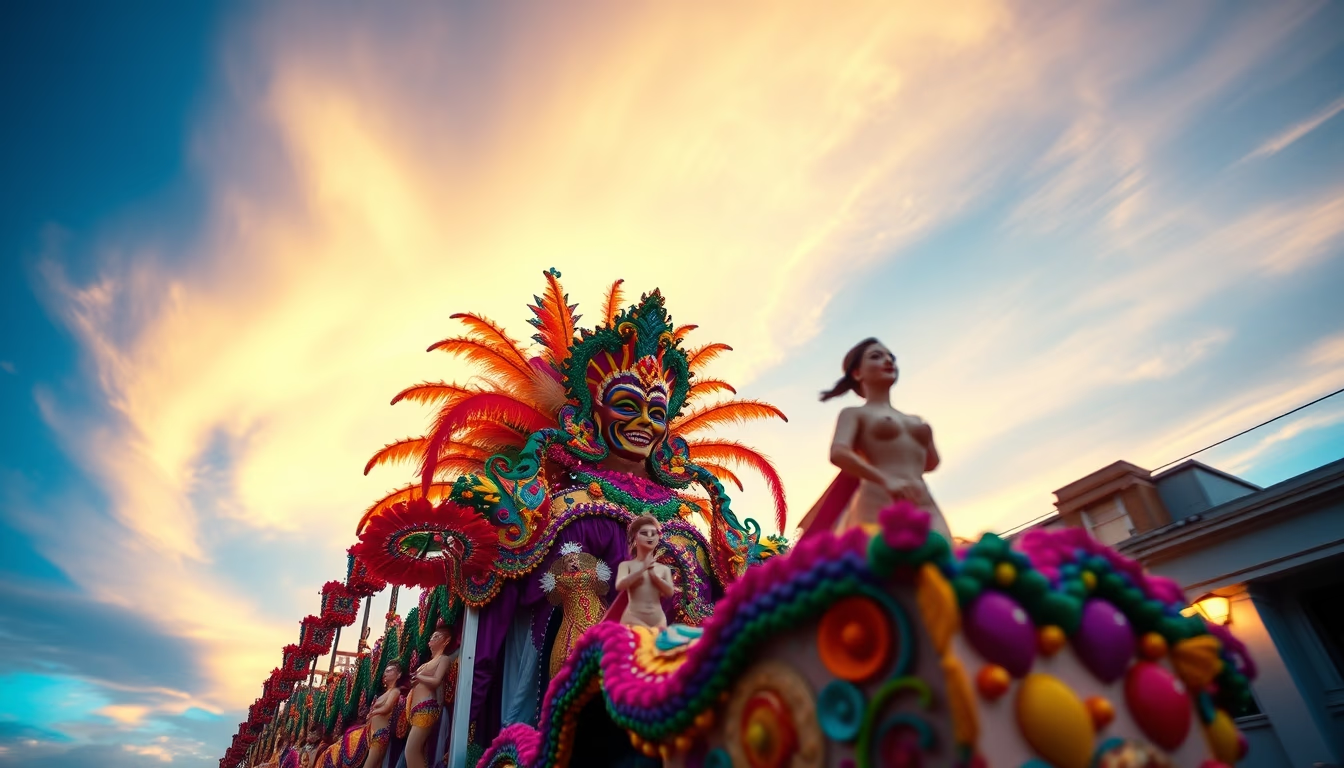
Rio Carnival floats dazzle with color, movement, and engineering, representing the pinnacle of the world's biggest popular festival.
About this subject
Rio Carnival floats are true artworks on wheels. Built by samba schools, each float can reach 10 meters in height and weigh 40 tons, requiring months of work and millions of reais in investment. The allegories are designed by renowned carnival designers, combining sculpture, LED lighting, robotics, and recyclable materials to represent the school's theme. The parade takes place at the Sambódromo da Marquês de Sapucaí, a 700-meter runway where floats evolve under the scrutiny of judges.
The history of carnival floats dates back to early 20th-century street parades and 'corsos,' but it was from the 1930s that samba schools professionalized their presentations. Today, the Independent League of Samba Schools (Liesa) regulates safety and creativity standards. A notable technical aspect is the use of long-exposure photography, which enhances the movement of lights and colors on floats during the night, creating dynamic and vibrant images.
Culturally, carnival floats are symbols of Brazilian identity. They address historical, social, and mythological themes, functioning as a form of resistance and expression for peripheral communities. Each year, over 70,000 people watch the parade live, and millions follow on TV. The combination of samba, dance, and allegories makes the Rio Carnival an intangible heritage of humanity by UNESCO.
Frequently Asked Questions
How are Rio Carnival floats built?
Floats are built in samba school workshops using steel frames, Styrofoam, papier-mâché, and fiberglass. The process takes months and involves hundreds of professionals like carpenters, sculptors, and electricians.
What was the largest float ever paraded at the Sambódromo?
The largest float was from samba school Vila Isabel in 2013, measuring 10 meters high and 70 meters long, powered by hydraulic mechanisms that allowed movement.
Why is long-exposure photography common in Carnival parade photos?
Long exposure captures the movement of lights and floats, creating light trails and dynamic effects. It is popular because floats have many LED lights and move slowly, enabling creative and artistic shots.
Direct URL
https://pub-c7d6a6ea828543ac903a74a341ccb2e1.r2.dev/imagens/rio-carnival-float-colorful-long-exposure-fresh8.avifHow to credit
Include a visible link back to UtilizAí. Copy one of the snippets below:
<a href="https://xn--utiliza-eza.com/en/midia/imagens/rio-carnival-float-colorful-long-exposure-fresh8">Rio carnival float colorful</a> by <a href="https://xn--utiliza-eza.com">UtilizAí</a>, licensed under <a href="https://creativecommons.org/licenses/by/4.0/">CC BY 4.0</a>.
[Rio carnival float colorful](https://xn--utiliza-eza.com/en/midia/imagens/rio-carnival-float-colorful-long-exposure-fresh8) by [UtilizAí](https://xn--utiliza-eza.com), CC BY 4.0
License: CC-BY-4.0