Rio carnival float colorful
1344×768 · AVIF · CC BY 4.0
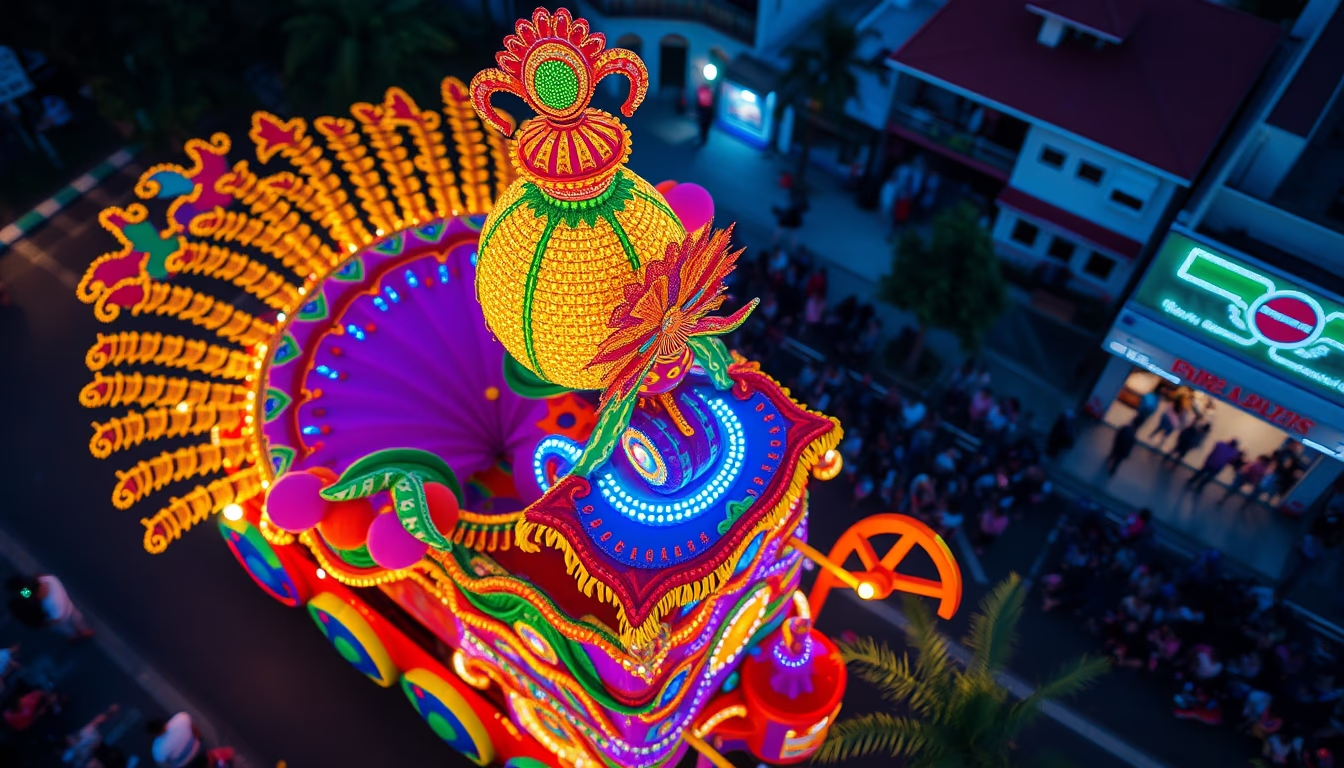
Rio de Janeiro's carnival floats are ephemeral artworks combining engineering, sculpture, and creativity in competitive parades.
About this subject
The allegorical floats are the highlight of the samba school parades at the Sambódromo da Marquês de Sapucaí in Rio de Janeiro. Each school invests millions of Brazilian reais in building up to eight floats, which can measure over 10 meters in height and weigh several tons. They are designed by a carnival designer (carnavalesco) and constructed throughout the year at the Cidade do Samba workshops, an industrial complex dedicated to carnival production. The structure is made of iron, steel, Styrofoam, fiberglass, and wood, with hydraulic and electronic systems to move parts such as wings, arms, and platforms.
The theme of each float follows the school's plot, which honors historical figures, myths, regional cultures, or commemorative dates. The allegories are covered in thousands of sequins, feathers, rhinestones, and colorful fabrics, requiring meticulous handcrafted work by seamstresses, sculptors, and blacksmiths. During the parade, floats carry “destaques” (dancers, celebrities, or community members) who interact with the crowd. Floats are judged on criteria such as harmony, originality, and execution.
Interestingly, modern carnival floats evolved from 19th-century carriages and hand-held standards (andores). Starting in the 1950s, with the professionalization of parades, floats became monumental. A single float can take up to a year to complete and, after Carnival, is dismantled and recycled, part of the material becomes new costumes or is donated. In 2020, the school Grande Rio featured a 14-meter animatronic figure that moved its eyes and mouth, showcasing advanced technology.
Economic impact is significant: Carnival generates about R$ 5 billion for the city, with floats representing the largest investments. Safety is strict: all floats are inspected by the Fire Department and have fire suppression systems. Despite the glamour, floats face environmental criticism for using Styrofoam and non-biodegradable materials; recent initiatives aim to replace them with sustainable alternatives like papier-mâché and eco-friendly paints.
Frequently Asked Questions
How much does a Carnival float cost?
The average cost ranges from R$500,000 to R$3 million, depending on complexity, size, and materials. Samba schools receive public and private subsidies to cover these expenses.
How are Carnival floats transported to the Sambódromo?
Floats are built in workshops and transported piece by piece on special trucks to the Sambódromo, where they are reassembled. Movement occurs during dawn to avoid traffic.
What happens to the floats after Carnival?
Most are dismantled and their materials recycled: fabrics and costumes go to thrift stores or new projects, while metal structures are melted down. Only small parts are preserved in museums.
Direct URL
https://pub-c7d6a6ea828543ac903a74a341ccb2e1.r2.dev/imagens/rio-carnival-float-colorful-aerial-drone-shot-fresh16.avifHow to credit
Include a visible link back to UtilizAí. Copy one of the snippets below:
<a href="https://xn--utiliza-eza.com/en/midia/imagens/rio-carnival-float-colorful-aerial-drone-shot-fresh16">Rio carnival float colorful</a> by <a href="https://xn--utiliza-eza.com">UtilizAí</a>, licensed under <a href="https://creativecommons.org/licenses/by/4.0/">CC BY 4.0</a>.
[Rio carnival float colorful](https://xn--utiliza-eza.com/en/midia/imagens/rio-carnival-float-colorful-aerial-drone-shot-fresh16) by [UtilizAí](https://xn--utiliza-eza.com), CC BY 4.0
License: CC-BY-4.0