Red carpet event lights
1344×768 · AVIF · CC BY 4.0
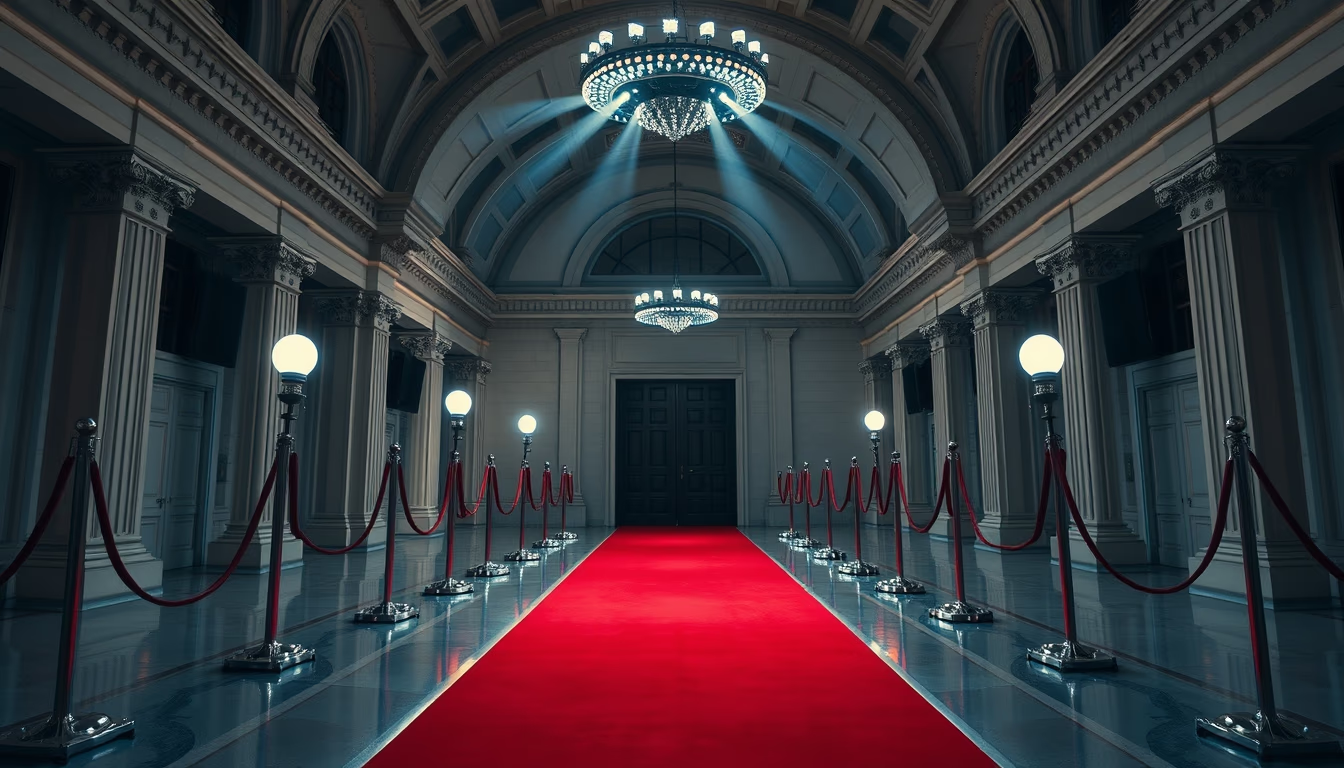
Red carpets at events use strategic lighting to highlight celebrities and create a gala atmosphere, blending technique and spectacle.
About this subject
Red carpets are symbols of prestige and glamour at award shows and film premieres, such as the Oscars and the Cannes Film Festival. The lighting at these events is meticulously planned to ensure that celebrities are photographed in the best possible way, while creating a visually impactful environment for live broadcasts. Spotlights and reflectors positioned at specific angles eliminate unwanted shadows and enhance the shine of outfits, while background and side lights add depth and drama to the scene.
The choice of light sources ranges from adjustable LEDs, tungsten fixtures, and strobe flashes, depending on color temperature and intensity needs. At large-scale events, lighting teams work with cinematographers to synchronize light with cameras and ensure all angles are flattering. An iconic example is the Oscars red carpet, where a suspended lighting structure covers the entire path, providing soft, diffused light that avoids dark circles and excessive shine.
Culturally, the red carpet originated in ancient Greece but was popularized in American cinema in the 1920s. Today, it is a global phenomenon that drives the fashion and entertainment industries. Lighting not only highlights the stars but also serves as a backdrop for interviews and selfies, becoming an essential part of the event experience. The trend for 2026 includes the use of dynamic and colored lights on thematic carpets, merging interactive LED technology with architectural design to create immersive settings.
Frequently Asked Questions
Why is red carpet lighting so important?
Lighting highlights celebrities, ensuring high-quality photos and videos, while creating a luxurious and spectacular atmosphere that attracts media and public attention.
What types of lights are used on red carpets?
Common lights include spotlights, reflectors, adjustable LEDs, tungsten fixtures, and strobe flashes. The choice depends on desired color temperature and intensity, as well as the need to avoid shadows or excessive glare.
How has red carpet lighting evolved over time?
In the 1920s, simple incandescent lights were used. Today, computerized systems with color-changing LEDs are integrated into architectural design. The trend for 2026 includes dynamic and interactive lights.
Direct URL
https://pub-c7d6a6ea828543ac903a74a341ccb2e1.r2.dev/imagens/red-carpet-event-lights-architectural-photography-p0.avifHow to credit
Include a visible link back to UtilizAí. Copy one of the snippets below:
<a href="https://xn--utiliza-eza.com/en/midia/imagens/red-carpet-event-lights-architectural-photography-p0">Red carpet event lights</a> by <a href="https://xn--utiliza-eza.com">UtilizAí</a>, licensed under <a href="https://creativecommons.org/licenses/by/4.0/">CC BY 4.0</a>.
[Red carpet event lights](https://xn--utiliza-eza.com/en/midia/imagens/red-carpet-event-lights-architectural-photography-p0) by [UtilizAí](https://xn--utiliza-eza.com), CC BY 4.0
License: CC-BY-4.0