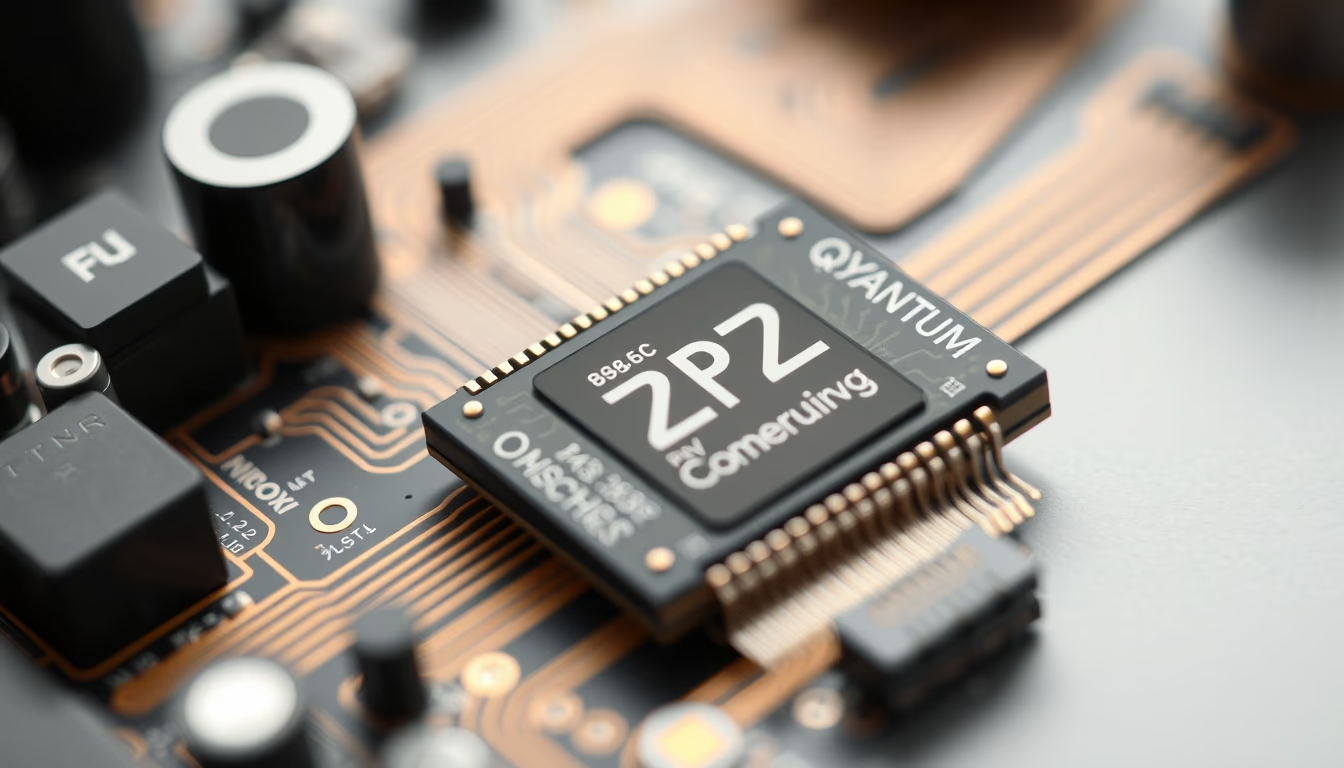
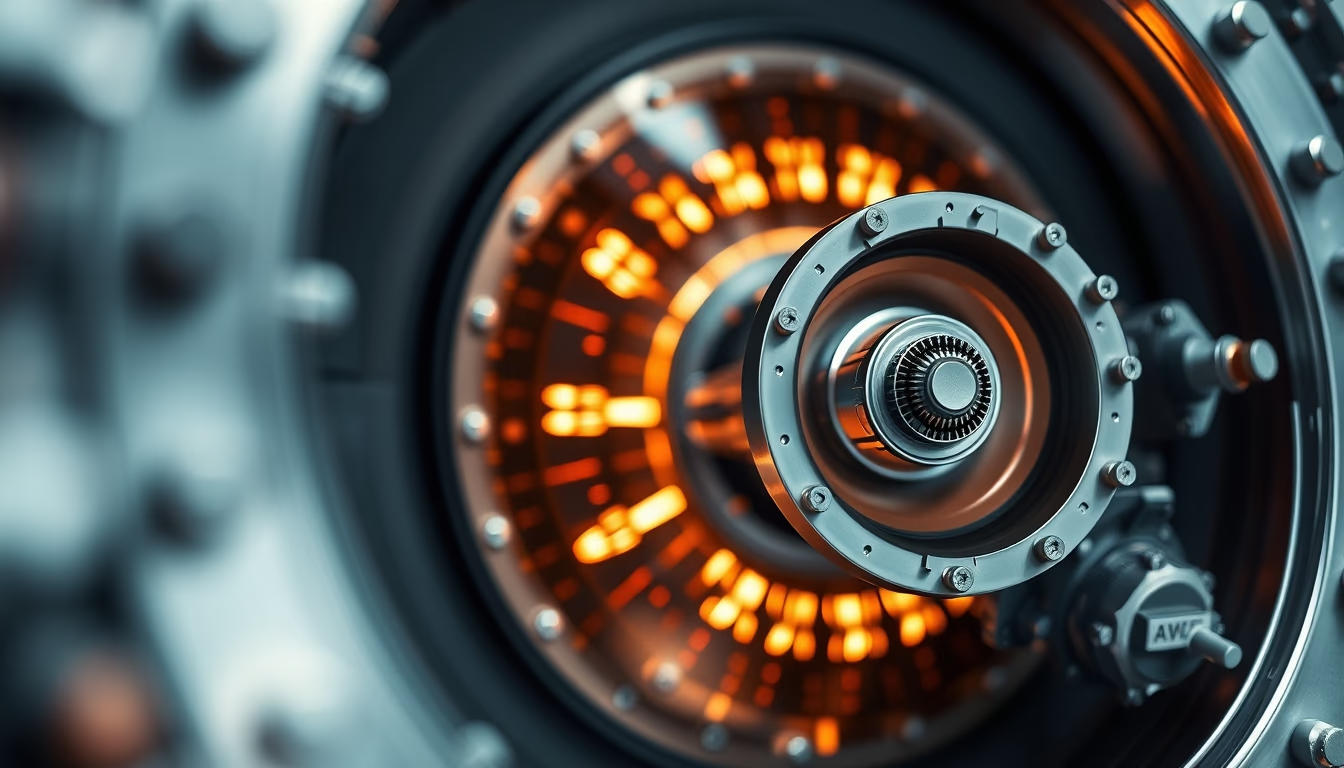
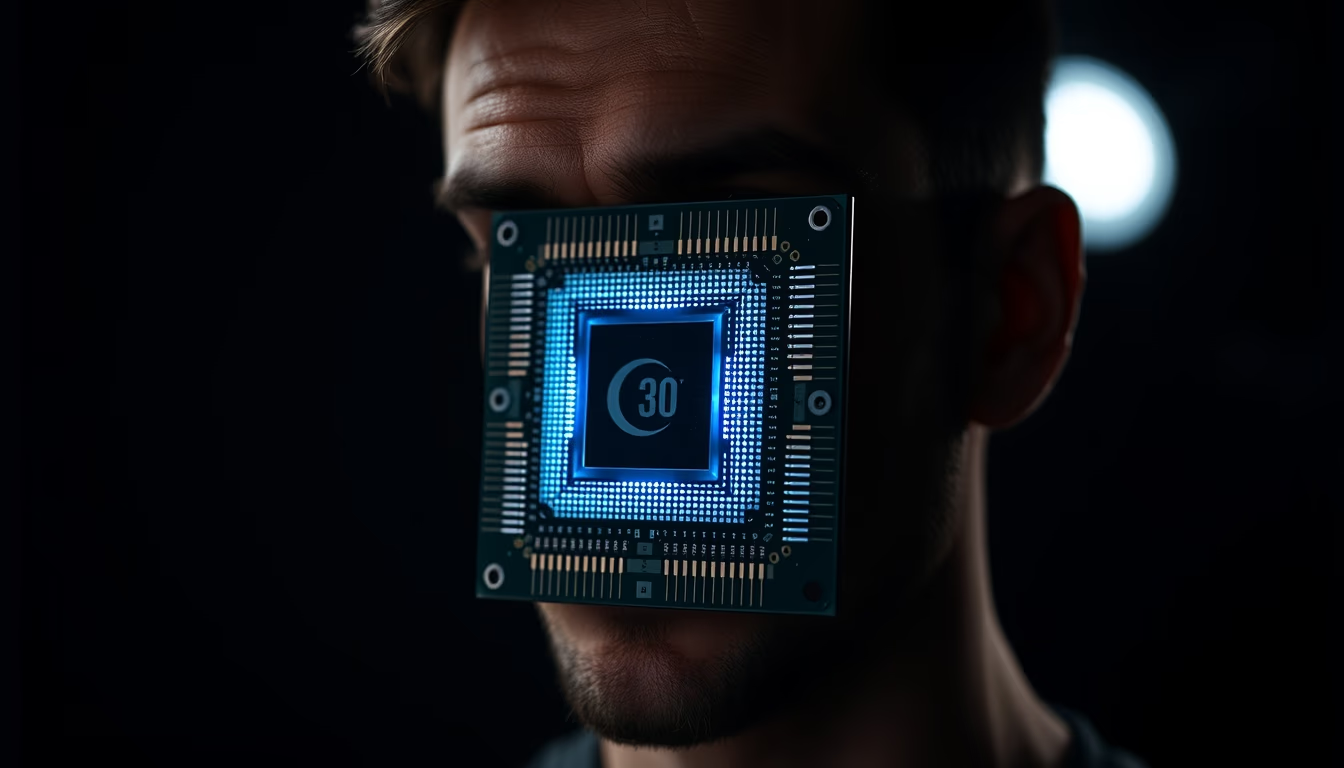
Quantum computer chip detail
1344×768 · AVIF · CC BY 4.0
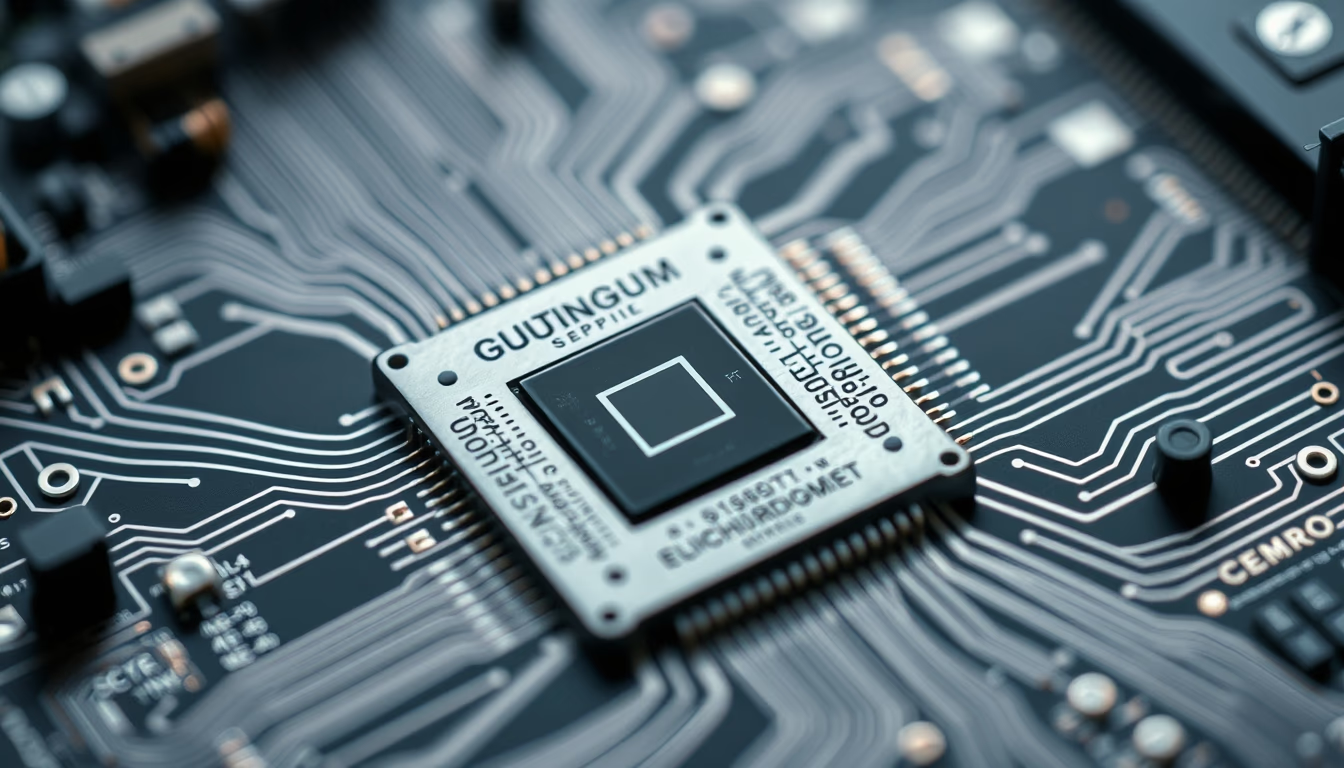
Detalhe de um chip de computador quântico minimalista, mostrando a complexidade dos qubits supercondutores e a engenharia por trás da computação quântica.
Sobre o tema
Os chips de computadores quânticos representam um salto tecnológico em relação aos chips clássicos de silício. Diferentemente dos bits tradicionais, que armazenam informação como 0 ou 1, os qubits (bits quânticos) podem existir em superposição de estados, graças aos princípios da mecânica quântica. Isso permite que computadores quânticos realizem cálculos exponencialmente mais rápidos para problemas específicos, como criptografia, simulação molecular e otimização.
Os chips quânticos atuais, como os desenvolvidos por IBM, Google e Rigetti, utilizam qubits supercondutores operando a temperaturas próximas do zero absoluto (cerca de -273°C). Esses chips são fabricados em ambientes de ultra-alto vácuo e exigem blindagem magnética para evitar interferências. As linhas finas visíveis no detalhe do chip são os circuitos de micro-ondas que controlam e leem os estados quânticos dos qubits.
Um dos principais desafios é a correção de erros quânticos. Os qubits são extremamente sensíveis a ruídos ambientais, o que causa decoerência e perda de informação. Para contornar isso, são necessários códigos de correção que utilizam múltiplos qubits físicos para representar um qubit lógico. Empresas como a Google alcançaram a supremacia quântica em 2019, realizando um cálculo inalcançável por supercomputadores clássicos.
A fabricação de chips quânticos ainda é artesanal se comparada à indústria de semicondutores clássicos, com taxas de erro elevadas e baixa reprodutibilidade. No entanto, avanços recentes, como o chip Willow do Google (2024), mostram progresso na redução de erros. O impacto potencial da computação quântica é imenso, mas a tecnologia ainda está em estágio experimental, com previsão de aplicações práticas em larga escala dentro de uma década.
Perguntas frequentes
O que é um chip de computador quântico?
É um processador que utiliza qubits para armazenar e processar informações segundo as leis da mecânica quântica. Diferente de chips clássicos, ele permite superposição e emaranhamento, possibilitando cálculos complexos em paralelo.
Como funciona a refrigeração desses chips?
Os chips quânticos supercondutores precisam ser mantidos a temperaturas criogênicas, próximas a -273°C, usando refrigeradores de diluição. Isso garante que os qubits permaneçam em estado supercondutor e minimizem ruídos térmicos.
Quais são os principais desafios da computação quântica?
Os maiores desafios são a correção de erros quânticos, a manutenção da coerência dos qubits por tempo suficiente, e a escalabilidade para milhares de qubits lógicos. A fabricação confiável e a operação em temperatura ambiente também são objetivos de longo prazo.
URL direta
https://pub-c7d6a6ea828543ac903a74a341ccb2e1.r2.dev/imagens/quantum-computer-chip-detail-minimalist-composition-p9.avifComo creditar
Inclua um link visível de volta pro UtilizAí. Copie um dos snippets abaixo:
<a href="https://xn--utiliza-eza.com/midia/imagens/quantum-computer-chip-detail-minimalist-composition-p9">Quantum computer chip detail</a> by <a href="https://xn--utiliza-eza.com">UtilizAí</a>, licensed under <a href="https://creativecommons.org/licenses/by/4.0/">CC BY 4.0</a>.
[Quantum computer chip detail](https://xn--utiliza-eza.com/midia/imagens/quantum-computer-chip-detail-minimalist-composition-p9) by [UtilizAí](https://xn--utiliza-eza.com), CC BY 4.0
Licença: CC-BY-4.0