Puppet theater venetian
1344×768 · AVIF · CC BY 4.0
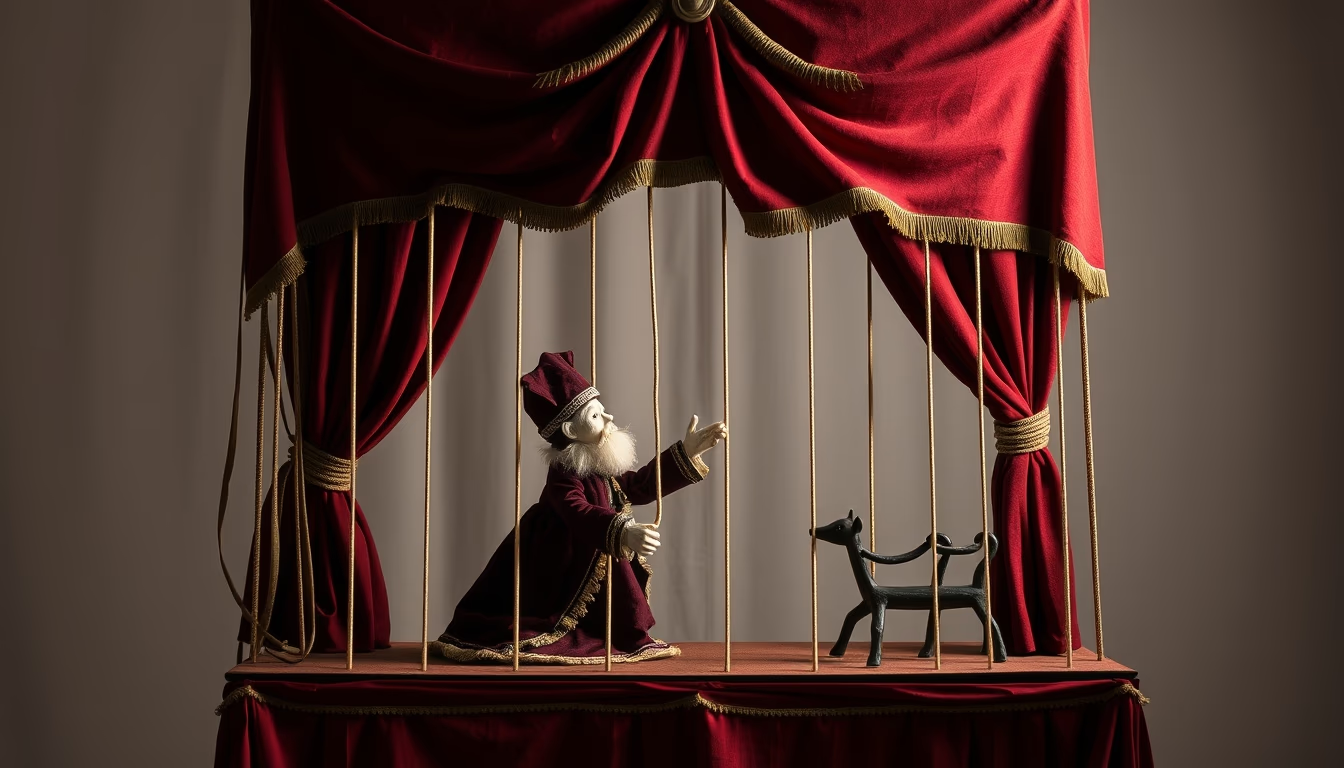
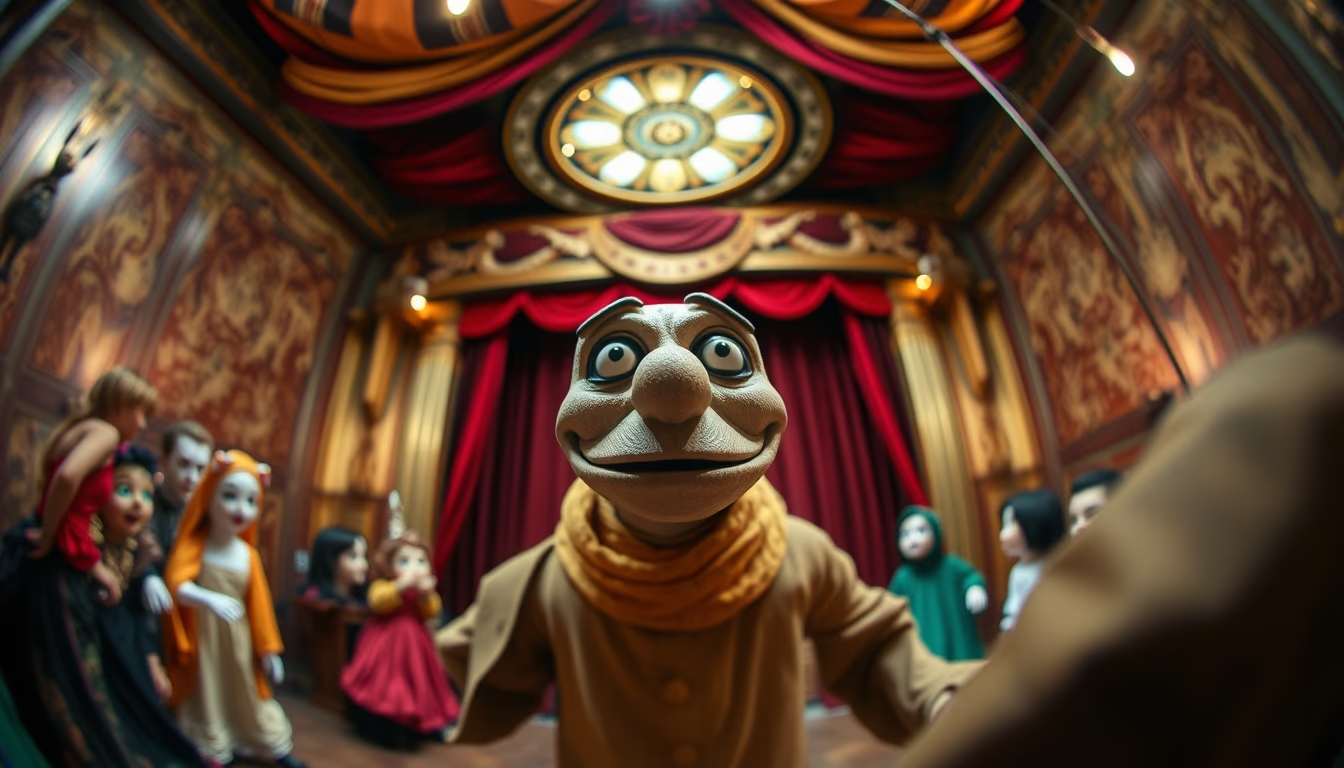
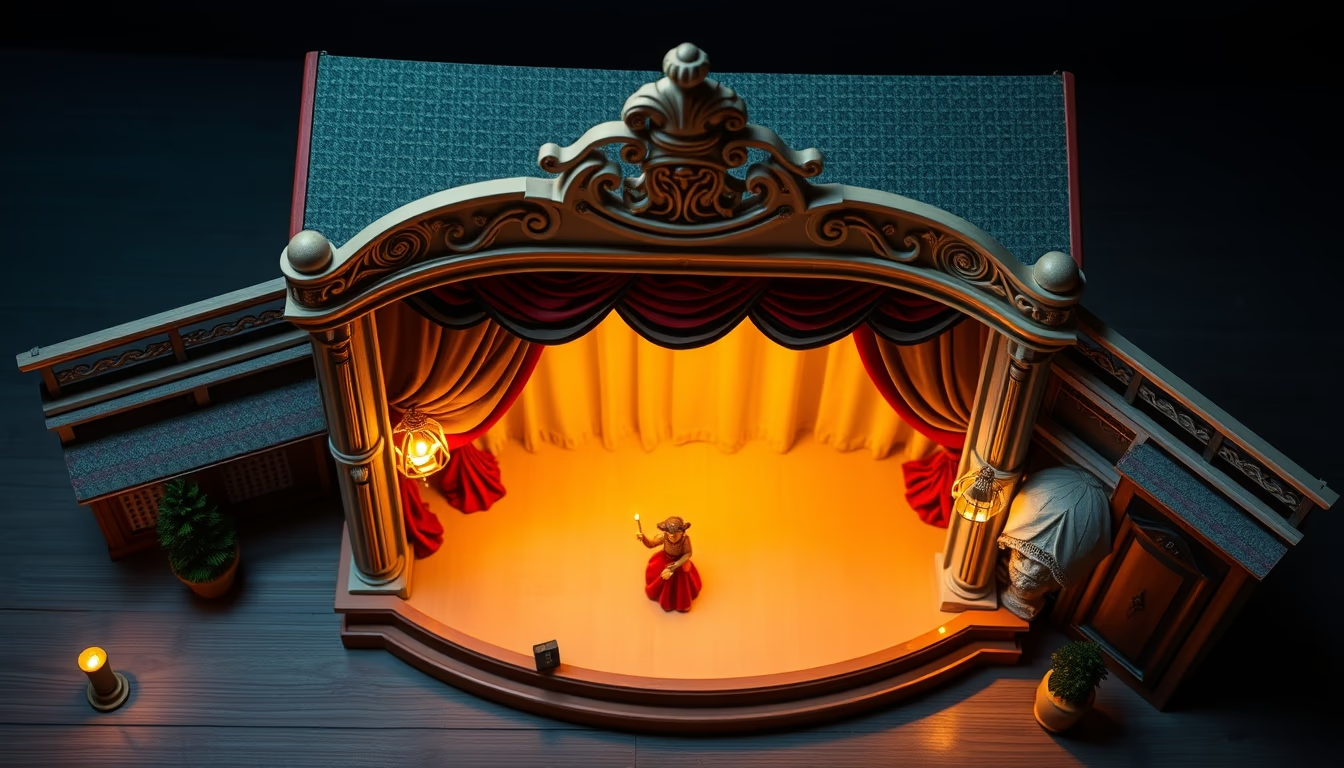
Venetian puppet theater, known as burattini, boasts a rich history dating back to the 16th century, blending wooden craftsmanship and satirical storytelling.
About this subject
Venetian puppet theater, known as burattini, originated in Venice around the 16th century during the Renaissance. These puppets were traditionally carved from wood, with simple joints controlled by strings or rods. Unlike the glove puppets common in northern Italy, Venetian burattini featured fixed characters such as the cunning Arlecchino and the miserly Pantalone, representing social types from commedia dell'arte. Performances took place in improvised theaters in squares or noble houses, always with strong political satire and social criticism disguised by comedy.
The manufacturing of the puppets required great skill: the head was carved from lime or cypress wood, hand-painted with natural pigments, and the body was covered with rich fabrics, often reused from old clothes. Movements were coordinated by a single puppeteer, who manipulated the strings from a suspended structure while another artist narrated or sang the lines. In the 18th century, burattini theater reached its peak, with companies traveling throughout Europe, influencing even French shadow theater. In Venice, the Cannaregio district was known for housing several puppet workshops.
The tradition declined in the 19th century with the advent of cinema, but never completely disappeared. Today, Venetian puppet theater is preserved by cultural associations and museums, such as the Museo del Burattino in Milan. In Venice, annual festivals like the Festa del Burattino gather local and international artists. Construction and manipulation techniques are taught in specialized courses, ensuring the continuity of this intangible heritage. Interestingly, the word burattino gave rise to the Italian term for 'puppet' and also inspired Carlo Collodi's character Pinocchio, who was originally a wooden puppet seeking life.
Frequently Asked Questions
What is the origin of Venetian burattini?
Burattini originated in Venice in the 16th century, inspired by commedia dell'arte, with fixed characters and strong social satire.
How are traditional Venetian puppets made?
They are carved from lime or cypress wood, hand-painted, and dressed with reused fabrics. Movements are controlled by strings from a suspended structure.
Where can I see burattini performances today?
In Venice, festivals like the Festa del Burattino are held. Dedicated museums like the Museo del Burattino in Milan exist, and groups perform in squares and theaters.
Direct URL
https://pub-c7d6a6ea828543ac903a74a341ccb2e1.r2.dev/imagens/puppet-theater-venetian-studio-still-life-fresh14.avifHow to credit
Include a visible link back to UtilizAí. Copy one of the snippets below:
<a href="https://xn--utiliza-eza.com/en/midia/imagens/puppet-theater-venetian-studio-still-life-fresh14">Puppet theater venetian</a> by <a href="https://xn--utiliza-eza.com">UtilizAí</a>, licensed under <a href="https://creativecommons.org/licenses/by/4.0/">CC BY 4.0</a>.
[Puppet theater venetian](https://xn--utiliza-eza.com/en/midia/imagens/puppet-theater-venetian-studio-still-life-fresh14) by [UtilizAí](https://xn--utiliza-eza.com), CC BY 4.0
License: CC-BY-4.0