Puppet theater venetian
1344×768 · AVIF · CC BY 4.0
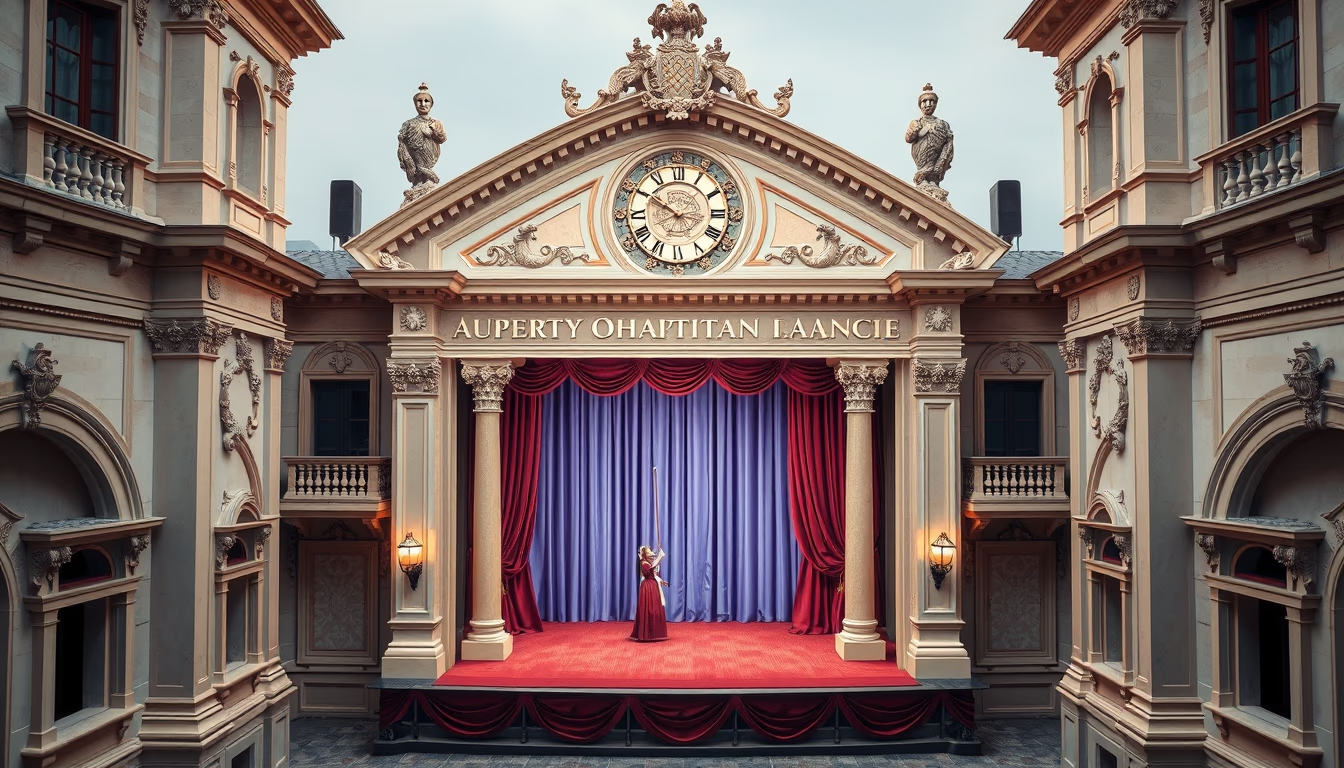
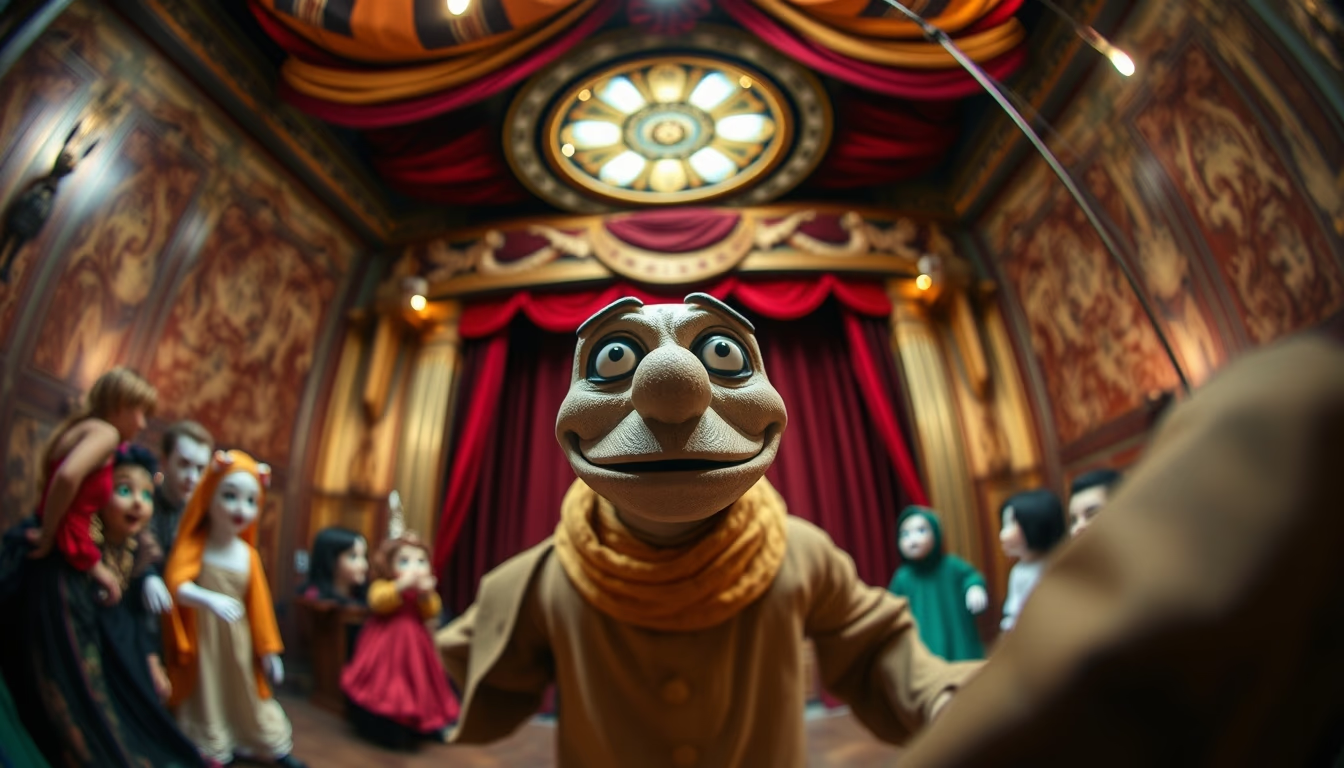
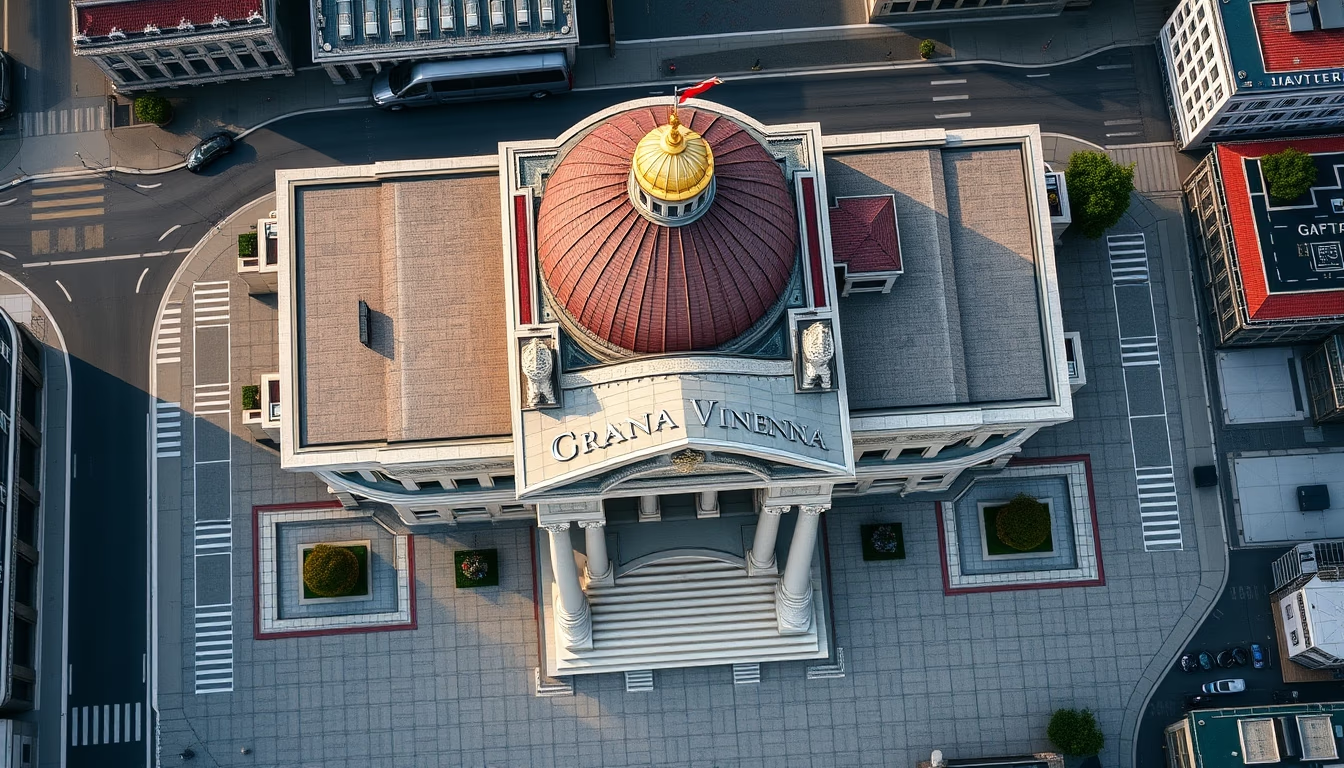
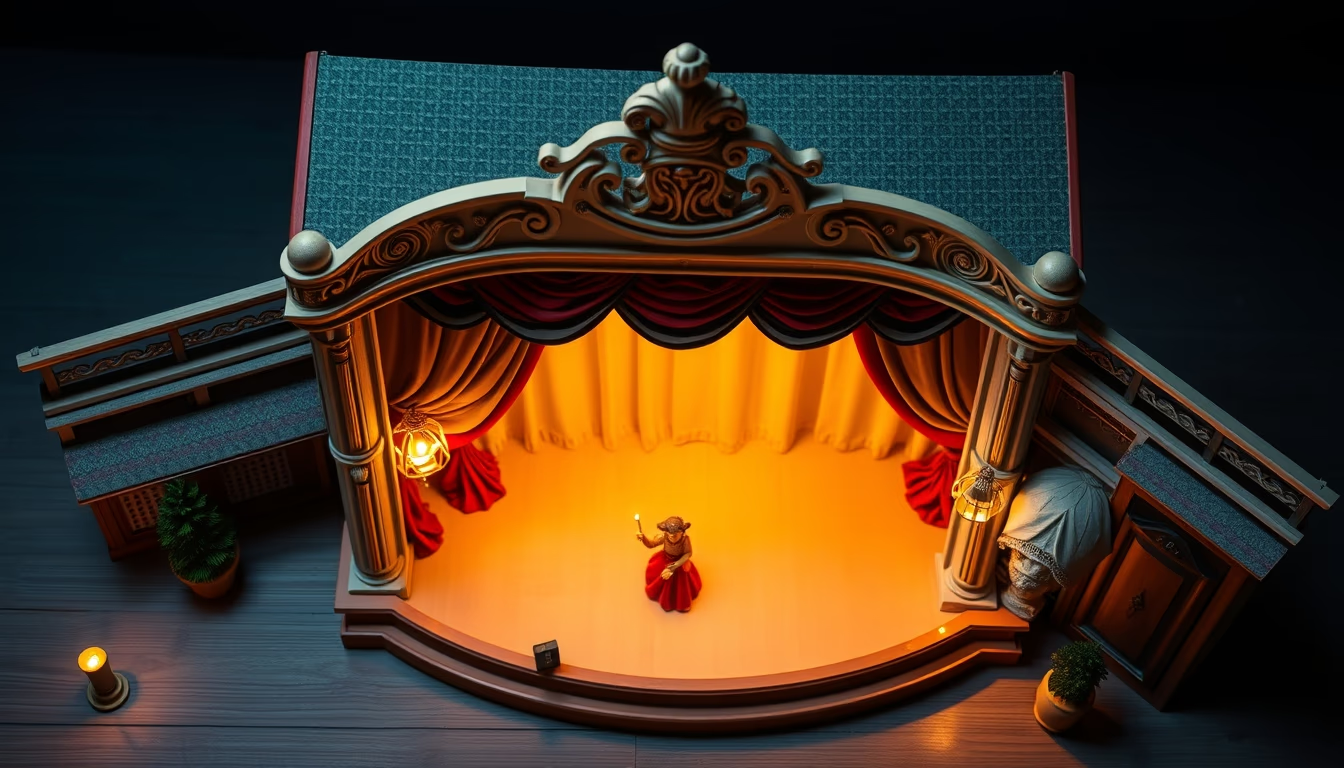
Venetian puppet theater blends the rich tradition of Commedia dell'Arte with the architectural elegance of Venice's palaces.
About this subject
Venetian puppet theater, also known as marionette theater, has deep roots in Venice's cultural history. During the Renaissance, the city was a vibrant center of entertainment, where Commedia dell'Arte heavily influenced puppet performances. Puppets, often carved in wood and hand-painted, portrayed characters like Harlequin and Colombina, staging social satires and popular farces. These shows took place not only in dedicated theaters but also in public squares during festivals such as the Venice Carnival.
Architecturally, Venetian puppet theaters often incorporated Gothic and Baroque elements, with ornate facades, wrought-iron balconies, and interiors richly decorated with frescoes and crystal chandeliers. A notable example is the Teatro Goldoni, although originally built for opera, it also hosted marionette shows in the 18th century. The construction of these spaces reflected the importance of theater in Venetian society, where candlelight and painted scenery created a magical atmosphere.
Interestingly, Venice's puppet tradition is linked to the marionette school of Burano, a nearby island known for its specialized craftsmen. Manipulation techniques ranged from strings to rods, and puppets could reach up to one meter in height. Despite a decline in the 19th century with the rise of cinema, Venetian puppet theater experienced a modern revival, with groups like 'Compagnia Marionettistica Carlo Colla & Figli' preserving the legacy. Today, international festivals in Venice celebrate this art form, keeping alive the connection between architecture, history, and performance.
Frequently Asked Questions
Where did Venetian puppet theater originate?
Venetian puppet theater originated in Venice during the Renaissance, heavily influenced by Commedia dell'Arte. Performances took place in dedicated theaters and public squares, especially during Carnival.
What materials are used to make Venetian puppets?
Traditional Venetian puppets are carved from wood, hand-painted, and dressed in fine fabrics. Some have complex string or rod mechanisms for movement.
Is puppet theater still practiced in Venice today?
Yes, Venetian puppet theater has experienced a revival. Groups like Compagnia Marionettistica Carlo Colla & Figli keep the tradition alive, and international festivals are held regularly in the city.
Direct URL
https://pub-c7d6a6ea828543ac903a74a341ccb2e1.r2.dev/imagens/puppet-theater-venetian-architectural-photography-fresh11.avifHow to credit
Include a visible link back to UtilizAí. Copy one of the snippets below:
<a href="https://xn--utiliza-eza.com/en/midia/imagens/puppet-theater-venetian-architectural-photography-fresh11">Puppet theater venetian</a> by <a href="https://xn--utiliza-eza.com">UtilizAí</a>, licensed under <a href="https://creativecommons.org/licenses/by/4.0/">CC BY 4.0</a>.
[Puppet theater venetian](https://xn--utiliza-eza.com/en/midia/imagens/puppet-theater-venetian-architectural-photography-fresh11) by [UtilizAí](https://xn--utiliza-eza.com), CC BY 4.0
License: CC-BY-4.0