Pop-up book opened
1344×768 · AVIF · CC BY 4.0

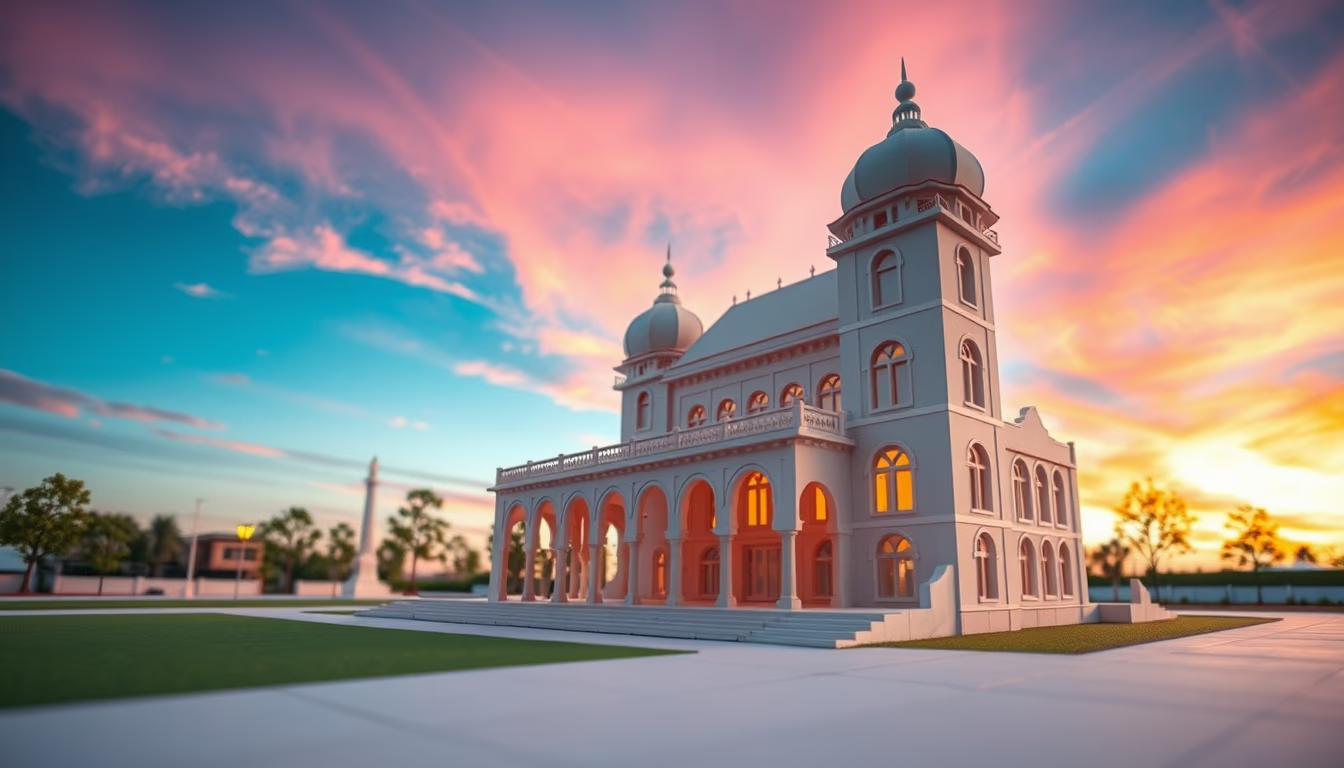
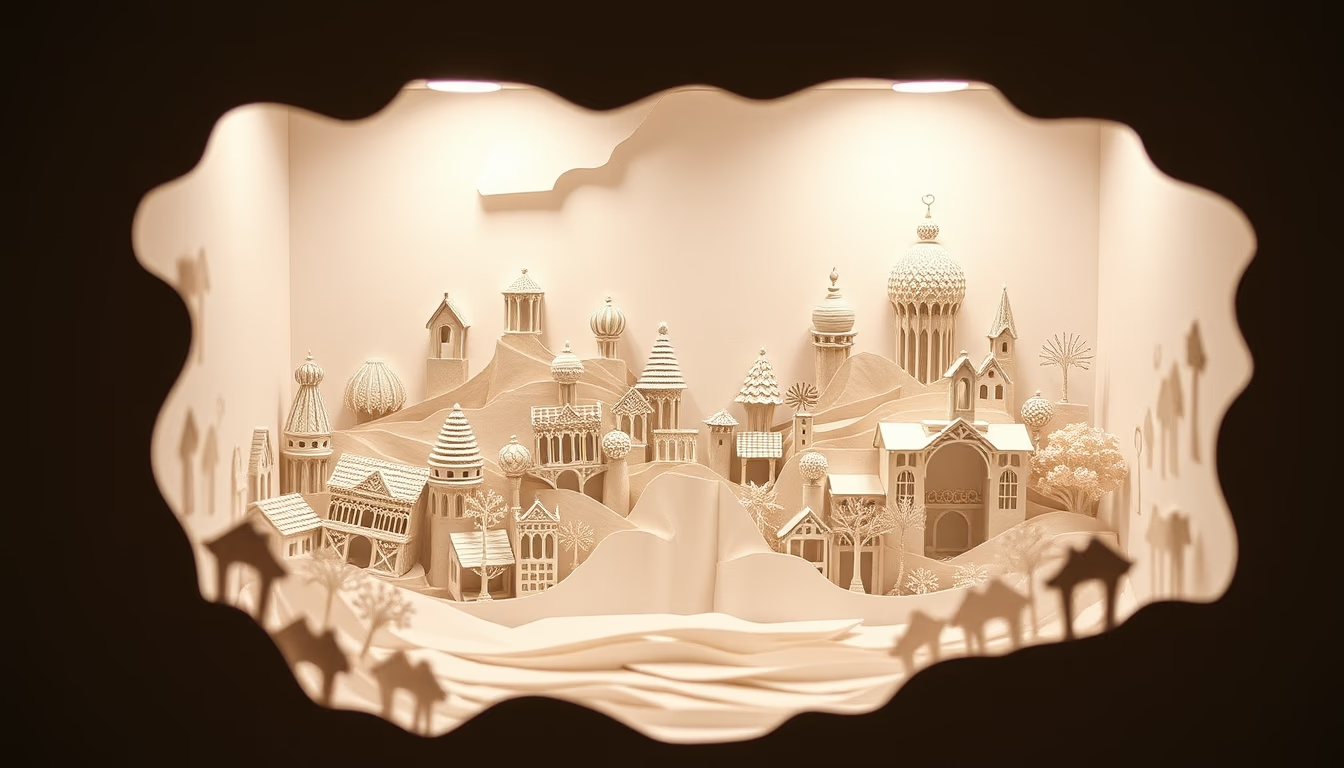
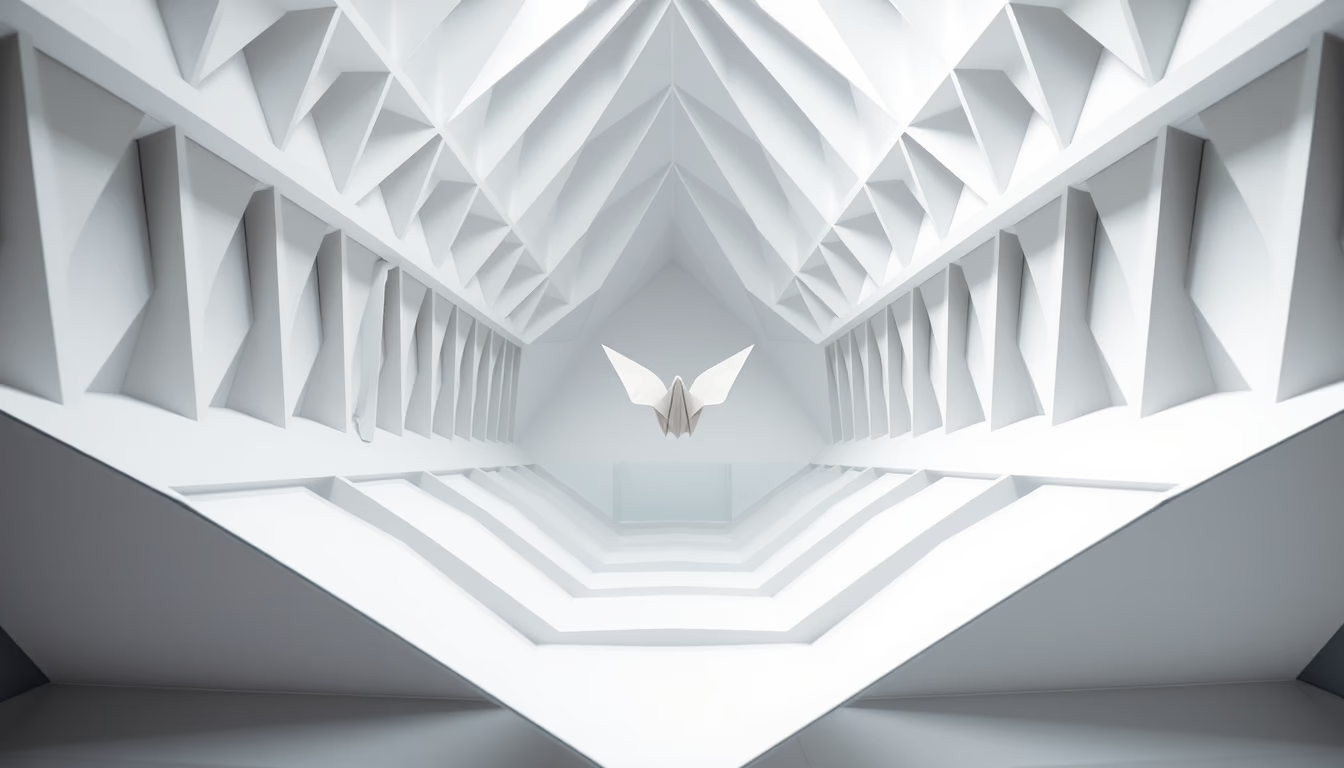
Um livro pop-up aberto visto de ângulo aéreo revela a engenharia de papel em camadas, combinando arte e técnica em estruturas tridimensionais surpreendentes.
Sobre o tema
Livros pop-up, também chamados de livros móveis ou tridimensionais, são obras que utilizam mecanismos de papel para criar formas e cenas que se elevam quando a página é virada. A técnica remonta ao século XIII, quando o monge beneditino Matthew Paris criou diagramas giratórios em manuscritos. No século XVIII, o editor londrino Robert Sayer popularizou os primeiros pop-ups com a série "Harlequinades", livros infantis com abas que mudavam a ilustração. A moderna engenharia de papel floresceu no século XX com artistas como Vojtěch Kubašta, tcheco pioneiro na produção em massa de pop-ups complexos, e a editora norte-americana Random House, que lançou clássicos como "The Pop-Up Book of Nursery Rhymes".
A construção de um pop-up exige planejamento milimétrico: cada peça de papel é cortada, dobrada e colada de modo que, ao abrir a página, a estrutura se erga sem rasgar. Os projetos mais sofisticados combinam guilhotinas, vinco e cola de alta precisão. O termo "paper engineering" foi cunhado para descrever essa disciplina, que mescla design gráfico, matemática e cinética. Alguns livros alcançam centenas de peças móveis, como "Star Wars: A Pop-Up Guide to the Galaxy" (2007), de Matthew Reinhart, com 35 pop-ups em cada página.
Culturalmente, os pop-ups são associados à infância e à educação, mas também são colecionados por adultos. Exposições em museus, como a do Metropolitan Museum of Art em Nova York, dedicam salas inteiras a esses livros. A foto de drone, por sua vez, oferece uma perspectiva incomum: o livro aberto é visto de cima, destacando a simetria e a profundidade das camadas de papel. Essa abordagem aérea é rara na documentação de pop-ups, geralmente fotografados de ângulo frontal ou lateral. A imagem pode fazer parte do projeto "Wave-Fresh-10K", um conjunto de fotos que explora objetos cotidianos com drones.
Perguntas frequentes
Como são feitos os livros pop-up?
Os livros pop-up são feitos por meio de papel engenharia: cada peça é cortada, vincada e colada manualmente ou com máquinas de precisão. O processo envolve design gráfico, matemática e testes para garantir que as estruturas se movam suavemente sem rasgar.
Qual foi o primeiro livro pop-up da história?
O primeiro livro pop-up reconhecido é do século XIII, com os diagramas giratórios de Matthew Paris. No entanto, o formato moderno surgiu no século XVIII com as publicações de Robert Sayer, especialmente a série "Harlequinades".
Os livros pop-up são apenas para crianças?
Não, embora sejam populares entre crianças, muitos pop-ups são criados para adultos, com temas complexos como arquitetura, ciência e ficção científica. Eles são colecionados e até expostos em museus de arte.
URL direta
https://pub-c7d6a6ea828543ac903a74a341ccb2e1.r2.dev/imagens/pop-up-book-opened-aerial-drone-shot-fresh8.avifComo creditar
Inclua um link visível de volta pro UtilizAí. Copie um dos snippets abaixo:
<a href="https://xn--utiliza-eza.com/midia/imagens/pop-up-book-opened-aerial-drone-shot-fresh8">Pop-up book opened</a> by <a href="https://xn--utiliza-eza.com">UtilizAí</a>, licensed under <a href="https://creativecommons.org/licenses/by/4.0/">CC BY 4.0</a>.
[Pop-up book opened](https://xn--utiliza-eza.com/midia/imagens/pop-up-book-opened-aerial-drone-shot-fresh8) by [UtilizAí](https://xn--utiliza-eza.com), CC BY 4.0
Licença: CC-BY-4.0