Pompeii ruins fresco
1344×768 · AVIF · CC BY 4.0
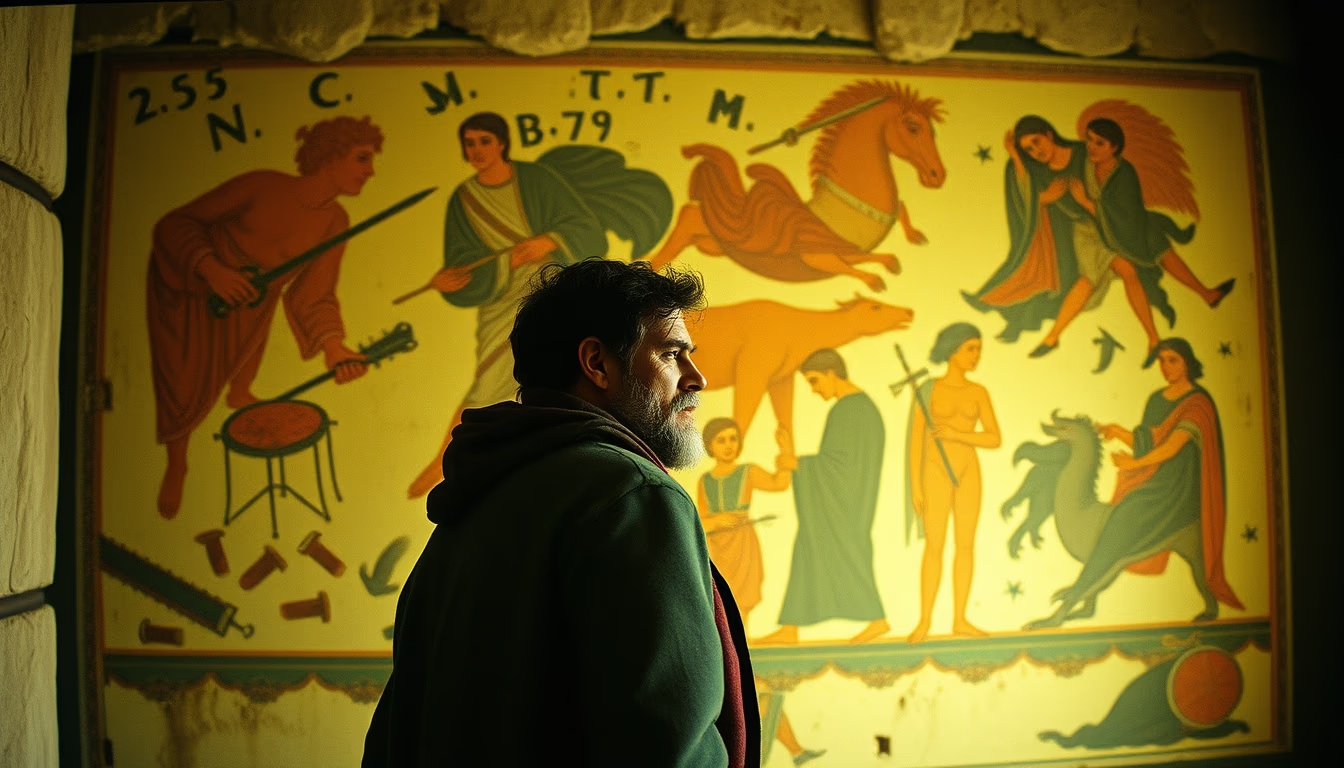
Afrescos preservados nas ruínas de Pompeia oferecem um vislumbre único da vida, cultura e arte romana do século I d.C.
Sobre o tema
Os afrescos de Pompeia são um dos legados mais impressionantes da arte romana antiga. Soterrados pela erupção do Vesúvio em 79 d.C., esses murais foram protegidos das intempéries por séculos, sendo redescobertos a partir do século XVIII nas escavações arqueológicas. A cidade, um importante centro comercial e de veraneio da elite romana, ostentava decorações sofisticadas que iam desde simples padrões geométricos até cenas mitológicas complexas.
A técnica do afresco envolvia a aplicação de pigmentos sobre argamassa úmida, permitindo que a cor se fixasse permanentemente na parede. Os artistas pompeianos dominavam essa técnica com maestria, utilizando uma paleta vibrante que incluía vermelhos intensos, amarelos e azuis egípcios. As pinturas decoravam não apenas casas ricas, como a Casa dos Vettii, mas também espaços públicos e templos. Temas recorrentes incluíam deuses, heróis, cenas de caça, naturezas-mortas e retratos de figuras históricas.
Um dos conjuntos mais célebres é o da Vila dos Mistérios, com afrescos que retratam rituais dionisíacos de iniciação feminina. Essas obras mostram a influência da arte helenística e a adaptação romana de motivos gregos. Além do valor estético, os afrescos fornecem informações valiosas sobre moda, arquitetura e práticas religiosas da época. Infelizmente, a exposição ao ar livre e ao turismo tem causado deterioração, exigindo esforços contínuos de conservação para que esses testemunhos do passado permaneçam acessíveis.
Perguntas frequentes
Como os afrescos de Pompeia foram preservados por tanto tempo?
A erupção do Vesúvio em 79 d.C. cobriu Pompeia com cinzas e pedra-pomes, selando os edifícios e protegendo os afrescos da luz, umidade e ar. Esse ambiente anaeróbico evitou a decomposição e manteve as cores vivas até as escavações modernas.
Quais são os temas mais comuns nos afrescos pompeianos?
Os temas incluem cenas mitológicas (como deuses e heróis greco-romanos), rituais religiosos, naturezas-mortas, paisagens, retratos, cenas de caça e do cotidiano, como mercados e banquetes. Também aparecem motivos arquitetônicos ilusionistas.
Qual a importância da Vila dos Mistérios para o estudo dos afrescos?
A Vila dos Mistérios contém um ciclo de afrescos excepcionalmente bem preservado que retrata rituais de iniciação no culto a Dionísio. É um documento raro sobre práticas religiosas secretas e a influência helenística na arte romana do século I a.C.
URL direta
https://pub-c7d6a6ea828543ac903a74a341ccb2e1.r2.dev/imagens/pompeii-ruins-fresco-lo-fi-disposable-camera-p3.avifComo creditar
Inclua um link visível de volta pro UtilizAí. Copie um dos snippets abaixo:
<a href="https://xn--utiliza-eza.com/midia/imagens/pompeii-ruins-fresco-lo-fi-disposable-camera-p3">Pompeii ruins fresco</a> by <a href="https://xn--utiliza-eza.com">UtilizAí</a>, licensed under <a href="https://creativecommons.org/licenses/by/4.0/">CC BY 4.0</a>.
[Pompeii ruins fresco](https://xn--utiliza-eza.com/midia/imagens/pompeii-ruins-fresco-lo-fi-disposable-camera-p3) by [UtilizAí](https://xn--utiliza-eza.com), CC BY 4.0
Licença: CC-BY-4.0