Pompeii ruins fresco
1344×768 · AVIF · CC BY 4.0
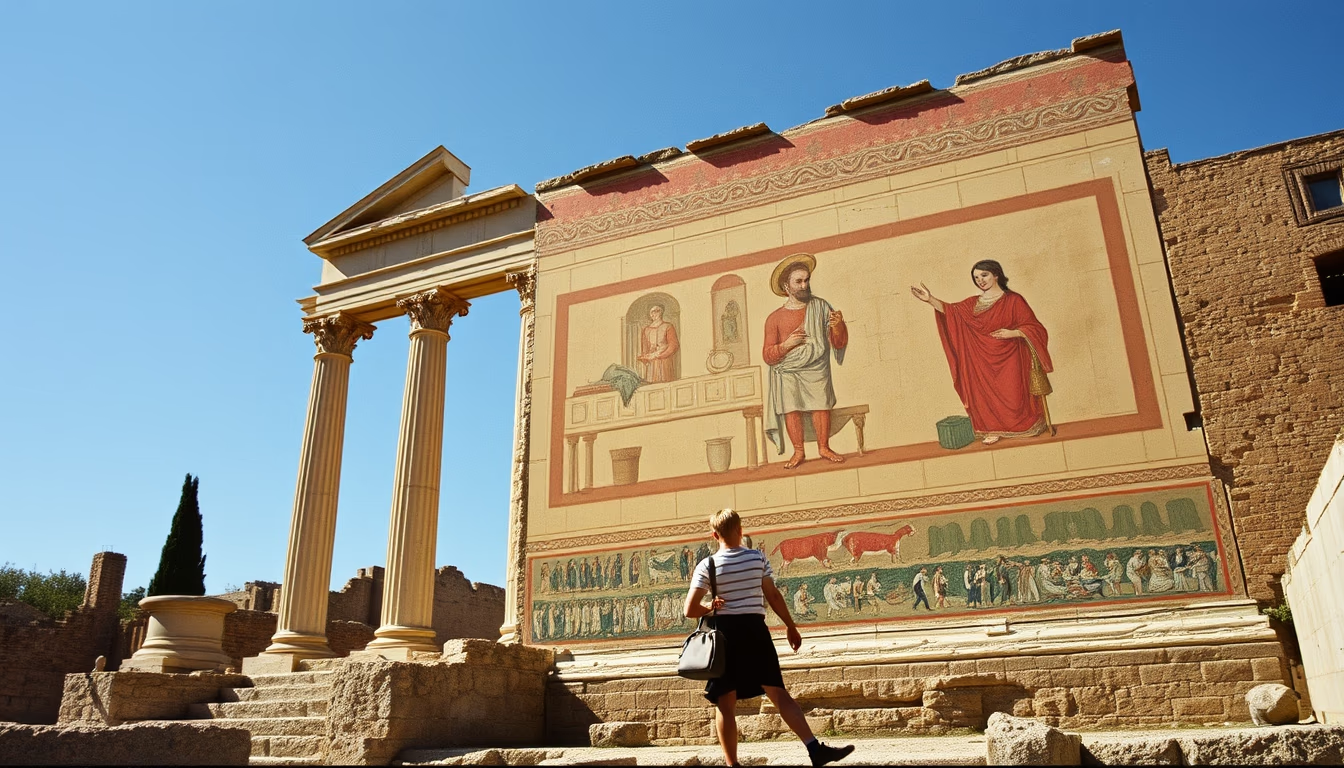
Pompeii frescoes reveal daily life and Roman art from the 1st century AD, preserved under volcanic ash.
About this subject
The frescoes of Pompeii are among the most stunning archaeological legacies of the ancient world. Buried by the eruption of Mount Vesuvius in 79 AD, the city was preserved in ash and lapilli, shielding its wall paintings for nearly two millennia. These works adorned homes, villas, and public buildings, depicting mythological scenes, landscapes, still lifes, and everyday moments such as banquets and commerce. The fresco technique, applied on wet plaster, allowed vibrant colors to endure, using pigments like Pompeian red (from cinnabar) and Egyptian blue.
The thematic range is vast: in the Villa of the Mysteries, a Dionysiac cycle shows initiation rituals; in the House of the Faun, mosaics and frescoes celebrate Hellenistic culture. The paintings also reveal Greek and Etruscan influence adapted to Roman taste. Architectural details such as fake columns and trompe-l'oeil created depth illusions. Today, many artworks are in museums like the National Archaeological Museum of Naples or remain in situ under modern shelter.
Preservation is a constant challenge: exposure to air, humidity, and tourism accelerates decay. Restoration projects like the Great Pompeii Project, funded by the EU, use laser technology to clean frescoes without damage. In 2018, a fresco depicting a pizza-like flatbread sparked debate on Italian culinary history. These works are not only art but historical documents that humanize the Romans, showing their tastes, beliefs, and vulnerability to catastrophe.
Frequently Asked Questions
How were the frescoes of Pompeii preserved for so long?
The eruption of Mount Vesuvius in 79 AD buried the city with a mix of ash and lapilli, creating an airtight seal that protected the paintings from air and moisture. This anaerobic environment slowed decay, allowing colors and details to survive until modern excavations.
What are the most common themes in Pompeian frescoes?
Themes include Greco-Roman mythology (such as Dionysus and Venus), scenes of daily life (banquets, trades), landscapes, still lifes with food, and illusionistic architectural elements. They often reflected the social status and cultural preferences of the owners.
Where can I see Pompeii frescoes today?
Many frescoes are in the National Archaeological Museum of Naples, while others remain in the Pompeii ruins (like in the Villa of the Mysteries). Some are in other museums in Italy and worldwide, but the largest collection is in Naples and at the archaeological site.
Direct URL
https://pub-c7d6a6ea828543ac903a74a341ccb2e1.r2.dev/imagens/pompeii-ruins-fresco-film-grain-authentic-p2.avifHow to credit
Include a visible link back to UtilizAí. Copy one of the snippets below:
<a href="https://xn--utiliza-eza.com/en/midia/imagens/pompeii-ruins-fresco-film-grain-authentic-p2">Pompeii ruins fresco</a> by <a href="https://xn--utiliza-eza.com">UtilizAí</a>, licensed under <a href="https://creativecommons.org/licenses/by/4.0/">CC BY 4.0</a>.
[Pompeii ruins fresco](https://xn--utiliza-eza.com/en/midia/imagens/pompeii-ruins-fresco-film-grain-authentic-p2) by [UtilizAí](https://xn--utiliza-eza.com), CC BY 4.0
License: CC-BY-4.0