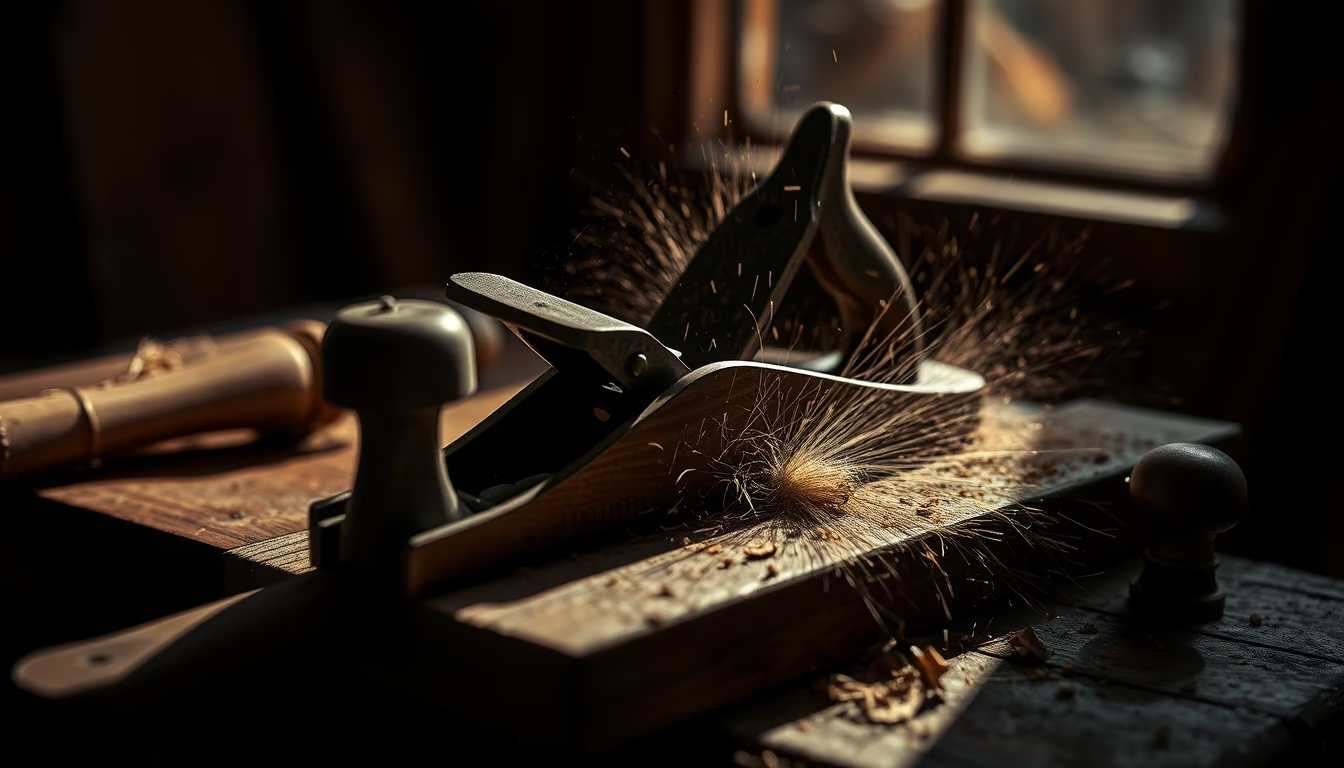
Plane wood shaving
1344×768 · AVIF · CC BY 4.0
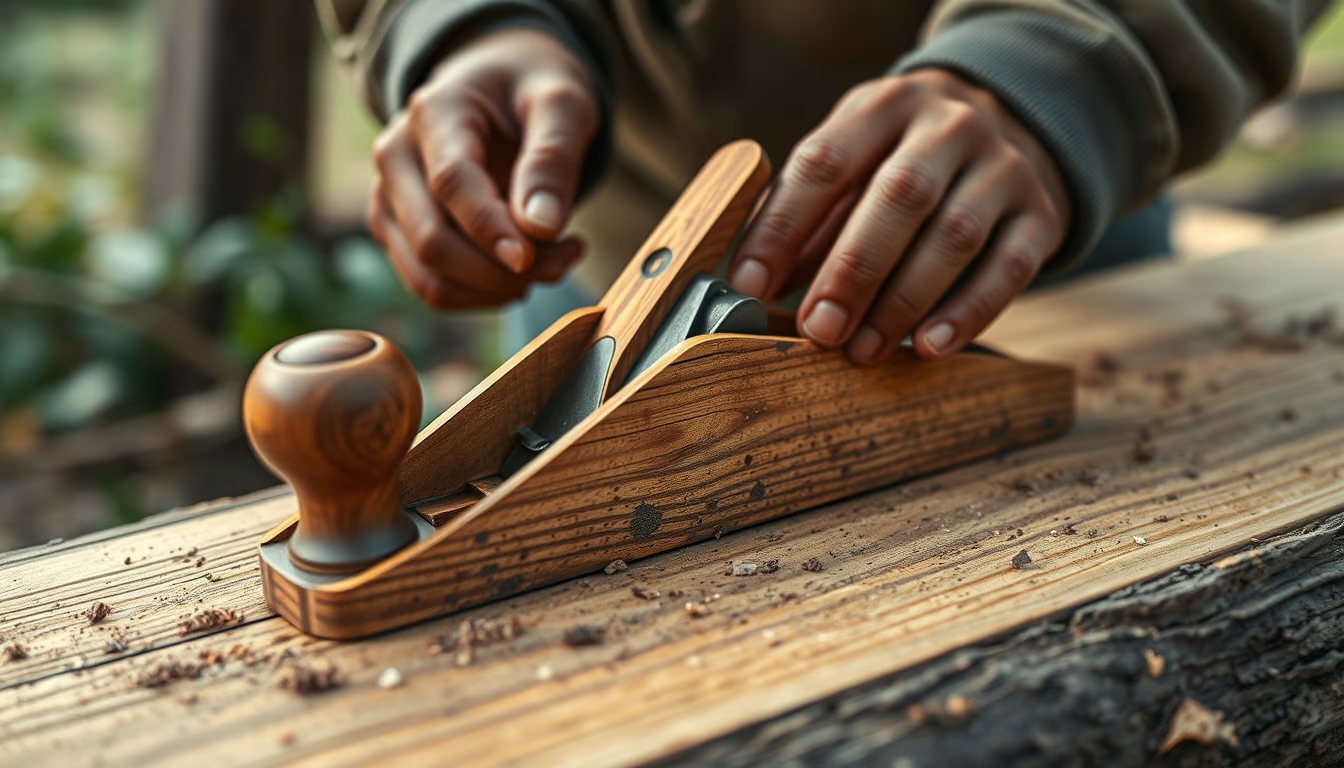
Hand planes produce thin wood shavings, known as curls, which reveal the natural beauty and texture of wood, essential in fine woodworking.
About this subject
A plane wood shaving, or curl, is produced when a hand plane is used to smooth and shape wood. This tool, used by carpenters and woodworkers for centuries, removes thin layers from the wood surface, creating delicate, continuous shavings. The thickness and quality of the shaving depend on the plane's adjustment and the craftsman's skill. Straight-grained woods like cedar or mahogany yield long, even curls, while knotty woods produce shorter, broken shavings.
Historically, the hand plane was a cornerstone of every woodworker's toolkit before industrialization. Different plane types serve different purposes: a jack plane removes more material, while a smoothing plane provides a fine finish. The shavings are not mere waste; they are often reused as tinder, packaging material, or in folk crafts. In traditional Brazilian woodworking, hand planes remain valued for their control and fine finish, avoiding the heat buildup of power sanders.
A well-tuned plane produces translucent, silky shavings that indicate a sharp blade. Collectors of antique tools often seek out such shavings to demonstrate the quality of restored planes at fairs and exhibitions. The shaving itself becomes a display piece, highlighting the wood's grain and the operator's expertise. In some workshops, shavings are even used as fire starters or as a natural packing material.
Interestingly, the color and texture of plane shavings vary by wood species. For example, cherry shavings have a warm reddish hue, while walnut shavings are darker. This aesthetic appeal has led some artists to incorporate shavings into sculptures or collage work, appreciating their fragility and natural patterns.
Frequently Asked Questions
What is a plane wood shaving?
It is a thin strip of wood removed by the blade of a hand plane during surface smoothing. It is typically fine, continuous, and can be translucent in straight-grained woods.
What are plane shavings used for besides waste?
They can be used as tinder, packing material, or in crafts. Collectors and woodworkers display them as proof of a sharp blade and skill.
How do plane shavings differ from wood chips?
Wood chips are irregular pieces from sawing or chiseling, while plane shavings are thin, uniform curls produced by a hand plane, often prized for their consistent thinness.
Direct URL
https://pub-c7d6a6ea828543ac903a74a341ccb2e1.r2.dev/imagens/plane-wood-shaving-documentary-nature-style-fresh7.avifHow to credit
Include a visible link back to UtilizAí. Copy one of the snippets below:
<a href="https://xn--utiliza-eza.com/en/midia/imagens/plane-wood-shaving-documentary-nature-style-fresh7">Plane wood shaving</a> by <a href="https://xn--utiliza-eza.com">UtilizAí</a>, licensed under <a href="https://creativecommons.org/licenses/by/4.0/">CC BY 4.0</a>.
[Plane wood shaving](https://xn--utiliza-eza.com/en/midia/imagens/plane-wood-shaving-documentary-nature-style-fresh7) by [UtilizAí](https://xn--utiliza-eza.com), CC BY 4.0
License: CC-BY-4.0