Pillow soft cozy
1344×768 · AVIF · CC BY 4.0
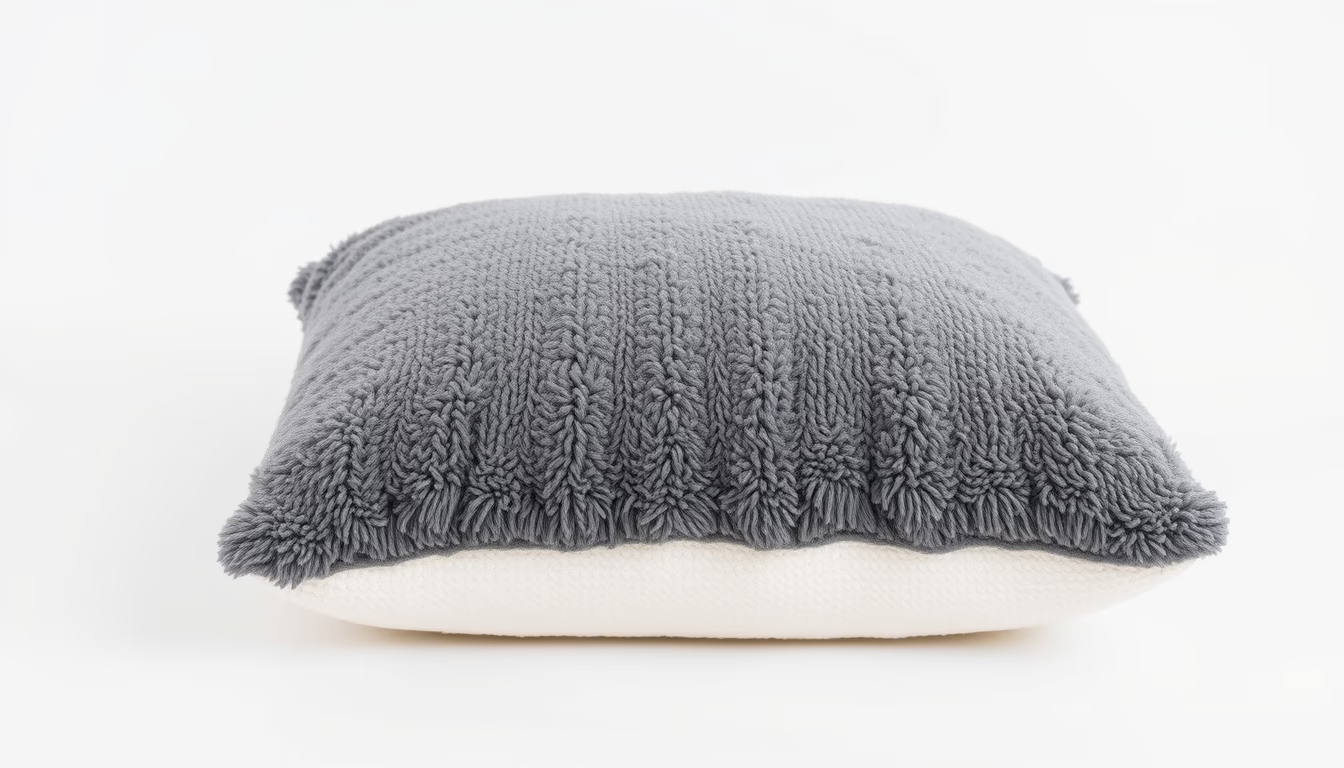
Soft and cozy pillows are essential for a good night's sleep, directly influencing rest quality and spinal health.
About this subject
A pillow, such as the soft cozy example shown, is a fundamental component of sleep comfort. Its main purpose is to support the head and neck, ensuring the spine remains in a neutral position throughout the night. Different materials offer distinct benefits. Memory foam pillows adapt to heat and pressure, providing customized support, while down and feather pillows are prized for their luxurious softness and breathability. Latex pillows are durable and resistant to dust mites, and synthetic fills like polyester are budget-friendly and easy to care for. In the United States, brands like Tempur-Pedic and MyPillow are well-known, but many consumers also prefer eco-friendly options made from organic cotton or buckwheat hulls.
Selecting the right pillow involves considering sleep position, body size, and personal preference. Side sleepers generally need a firm, high-loft pillow to keep the neck aligned, back sleepers require a medium loft that supports the natural curve of the cervical spine, and stomach sleepers should choose a very soft, low-loft pillow to prevent neck hyperextension. The concept of 'pillow fit' also includes the pillow's width and length, which should match the size of the bed and the sleeper's build.
Hygiene and maintenance are key to pillow longevity. Most experts advise replacing pillows every 1 to 2 years, as they become breeding grounds for allergens like dust mites and mold. Many pillows can be machine washed and dried, but some materials, like memory foam, require spot cleaning only. Using a pillow protector can significantly extend the pillow's life by shielding it from body oils, sweat, and debris. In hotter climates, pillows with cooling gel layers or breathable covers are recommended to prevent overheating.
Pillows also contribute to bedroom decor, offering an opportunity to introduce color, pattern, and texture. A soft, cozy pillow invites relaxation and can serve as a focal point in the bedding ensemble. Whether for health or aesthetics, choosing the right pillow is a small but impactful decision for quality sleep.
Frequently Asked Questions
What is the best material for a pillow?
There is no single best material; it depends on preference and sleep position. Memory foam offers contouring support, down and feathers are soft and moldable, latex is durable and hypoallergenic, and polyester is affordable and lightweight.
How do I choose the right pillow height?
Pillow height depends on your sleep position. Side sleepers need a high loft (10-15 cm) to fill the gap between shoulder and ear. Back sleepers need a medium loft (about 10 cm), and stomach sleepers require a low loft (5-8 cm) to avoid neck strain.
How often should I replace my pillow?
Experts recommend replacing pillows every 1 to 2 years. Over time, they accumulate dust mites, sweat, and oils, losing support and hygiene. If the pillow is lumpy, flat, or causes discomfort, it's time for a new one.
Direct URL
https://pub-c7d6a6ea828543ac903a74a341ccb2e1.r2.dev/imagens/pillow-soft-cozy-commercial-product-photography-p6.avifHow to credit
Include a visible link back to UtilizAí. Copy one of the snippets below:
<a href="https://xn--utiliza-eza.com/en/midia/imagens/pillow-soft-cozy-commercial-product-photography-p6">Pillow soft cozy</a> by <a href="https://xn--utiliza-eza.com">UtilizAí</a>, licensed under <a href="https://creativecommons.org/licenses/by/4.0/">CC BY 4.0</a>.
[Pillow soft cozy](https://xn--utiliza-eza.com/en/midia/imagens/pillow-soft-cozy-commercial-product-photography-p6) by [UtilizAí](https://xn--utiliza-eza.com), CC BY 4.0
License: CC-BY-4.0