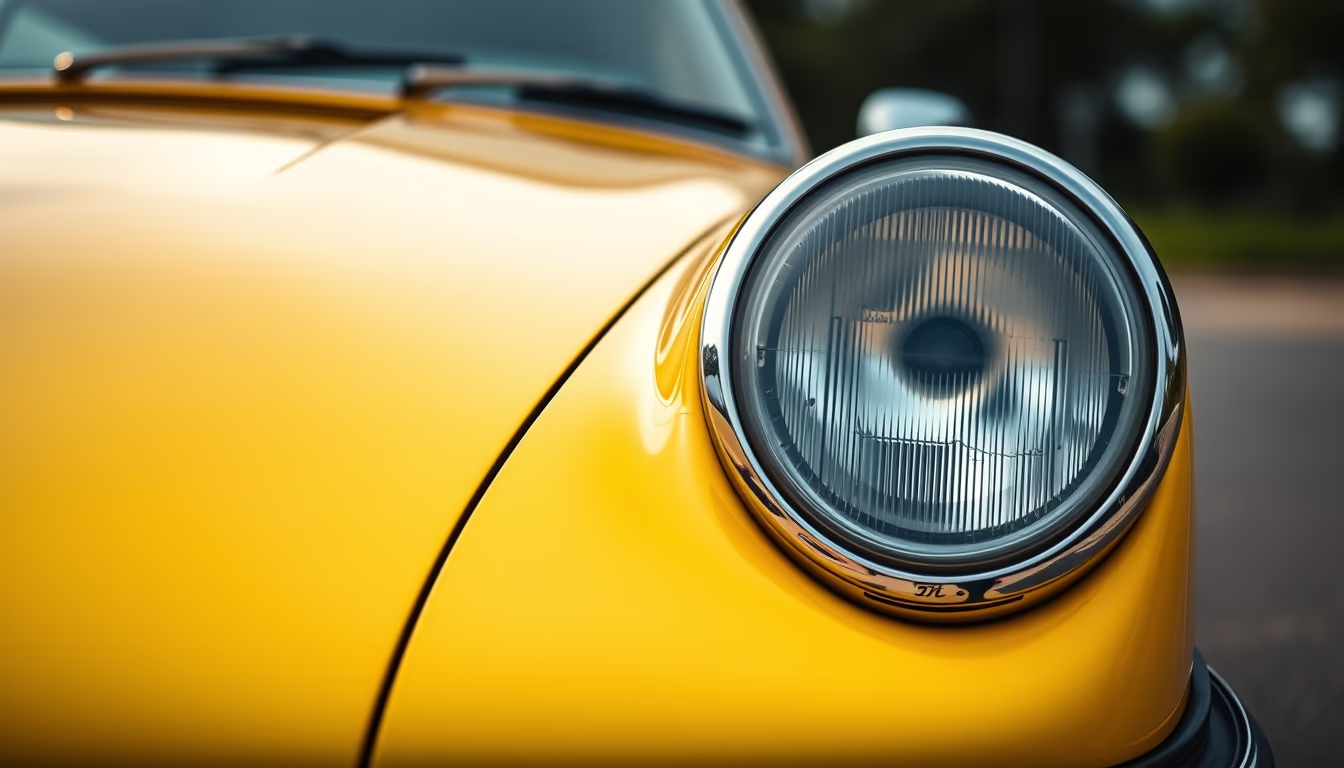
Photography vintage camera
1344×768 · AVIF · CC BY 4.0
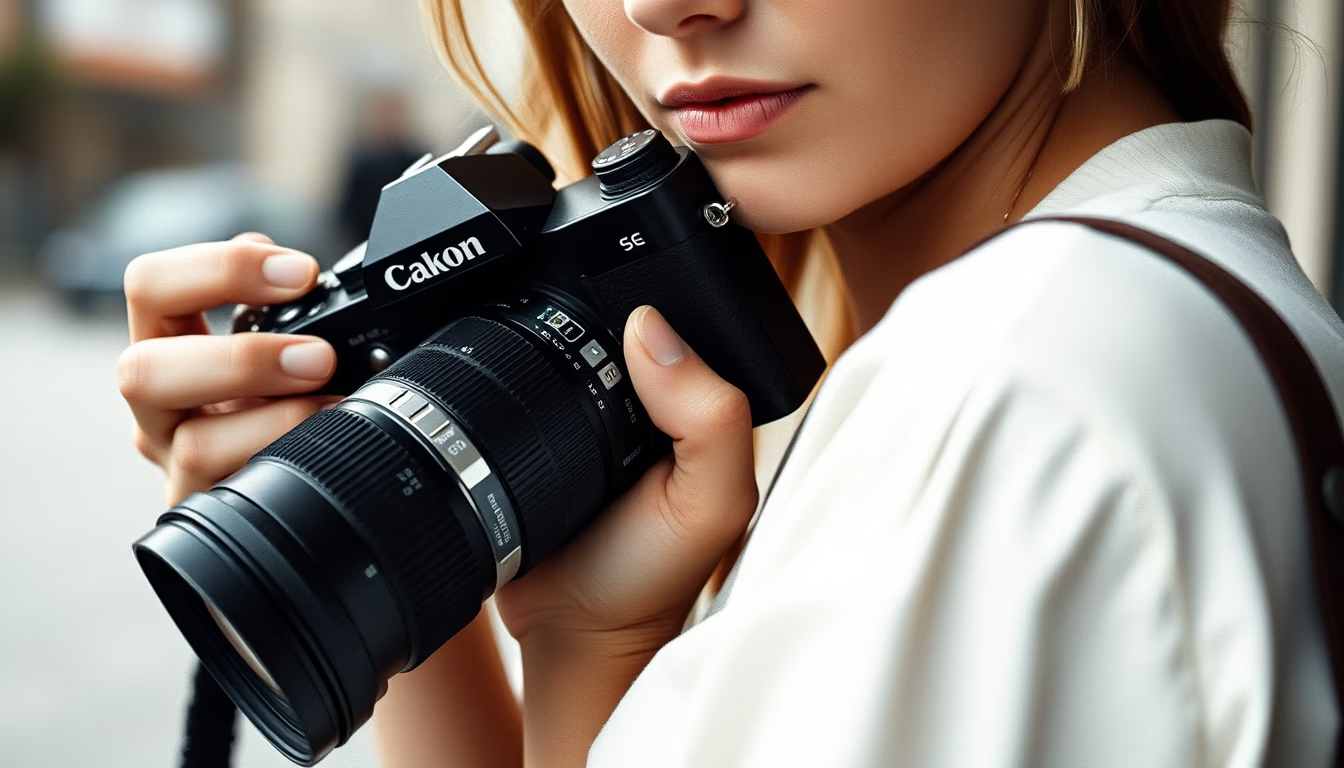
Vintage photographic cameras carry history, precision mechanics, and an analog charm that defined generations of photographers.
About this subject
Vintage photographic cameras represent a fundamental chapter in the evolution of imagery. From the wooden boxes of the 19th century to the compact 35 mm models of the 1960s, each design embodies technical and aesthetic progress. Brands like Leica, Kodak, Rolleiflex, and Hasselblad created true icons of engineering and style. The Leica M3, for instance, revolutionized street photography with its rangefinder viewfinder, while the Rolleiflex Twin Lens Reflex became synonymous with medium-format image quality.
The appeal of these cameras goes beyond nostalgia. Many contemporary photographers seek film and old lenses for the unique character of the images: grain, smooth contrast, and distinctive depth of field. The manual process of adjusting aperture and shutter speed forces a reflective pause, far from digital automation. This ritual attracts both artists and enthusiasts wanting to reconnect with the original creative process.
Curiously, some vintage cameras have appreciated in value, becoming collector's items. A Leica M3 in good condition can fetch thousands of dollars. Meanwhile, popular models like the Olympus Trip 35, with its selenium cell auto exposure system, remain affordable and widely used. The analog film culture has even spurred new film stocks and development services, keeping alive a tradition many thought was lost.
Culturally, vintage cameras witnessed historic moments: from World War II with compact Leicas and Contaxes to the everyday life captured by Henri Cartier-Bresson with his Leica on the streets of New York. They not only recorded images but also shaped the gaze of generations. Today, they are celebrated in museums, fairs, and online communities, proving that the fascination with their mechanics and aesthetics remains as strong as it was a hundred years ago.
Frequently Asked Questions
What was the first 35 mm camera?
The first 35 mm camera was the Leica I, launched in 1925 by Leitz. It popularized perforated film stock, originally used in cinema, for still photography.
Why are vintage cameras so valued today?
They are valued for their build quality, iconic design, and the unique character of analog images. Additionally, the manual process provides a creative experience distinct from digital.
Is it easy to find film for vintage cameras nowadays?
Yes, 35 mm and 120 (medium format) films are still produced by companies like Kodak, Ilford, and Fujifilm. There are also independent brands and development services available in many countries.
Direct URL
https://pub-c7d6a6ea828543ac903a74a341ccb2e1.r2.dev/imagens/photography-vintage-camera-film-grain-authentic-p0.avifHow to credit
Include a visible link back to UtilizAí. Copy one of the snippets below:
<a href="https://xn--utiliza-eza.com/en/midia/imagens/photography-vintage-camera-film-grain-authentic-p0">Photography vintage camera</a> by <a href="https://xn--utiliza-eza.com">UtilizAí</a>, licensed under <a href="https://creativecommons.org/licenses/by/4.0/">CC BY 4.0</a>.
[Photography vintage camera](https://xn--utiliza-eza.com/en/midia/imagens/photography-vintage-camera-film-grain-authentic-p0) by [UtilizAí](https://xn--utiliza-eza.com), CC BY 4.0
License: CC-BY-4.0