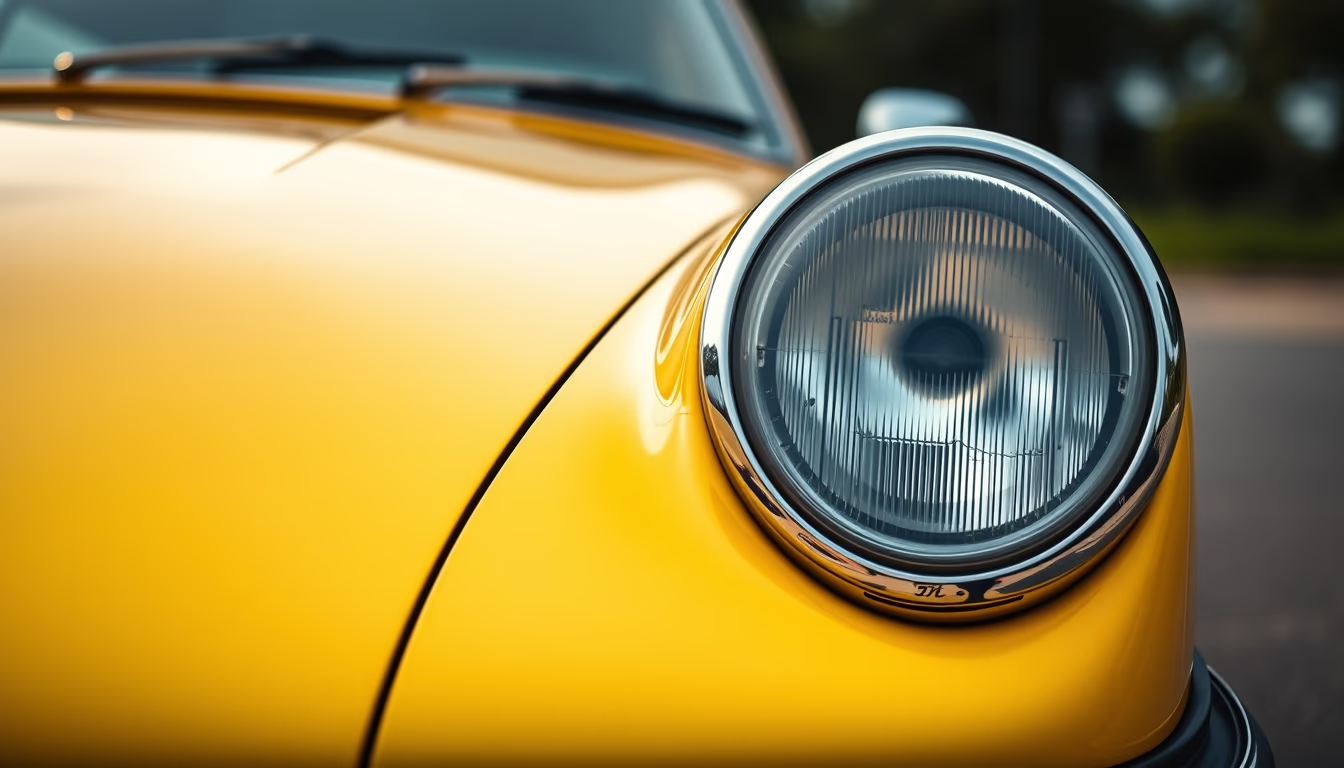
Photography vintage camera
1344×768 · AVIF · CC BY 4.0
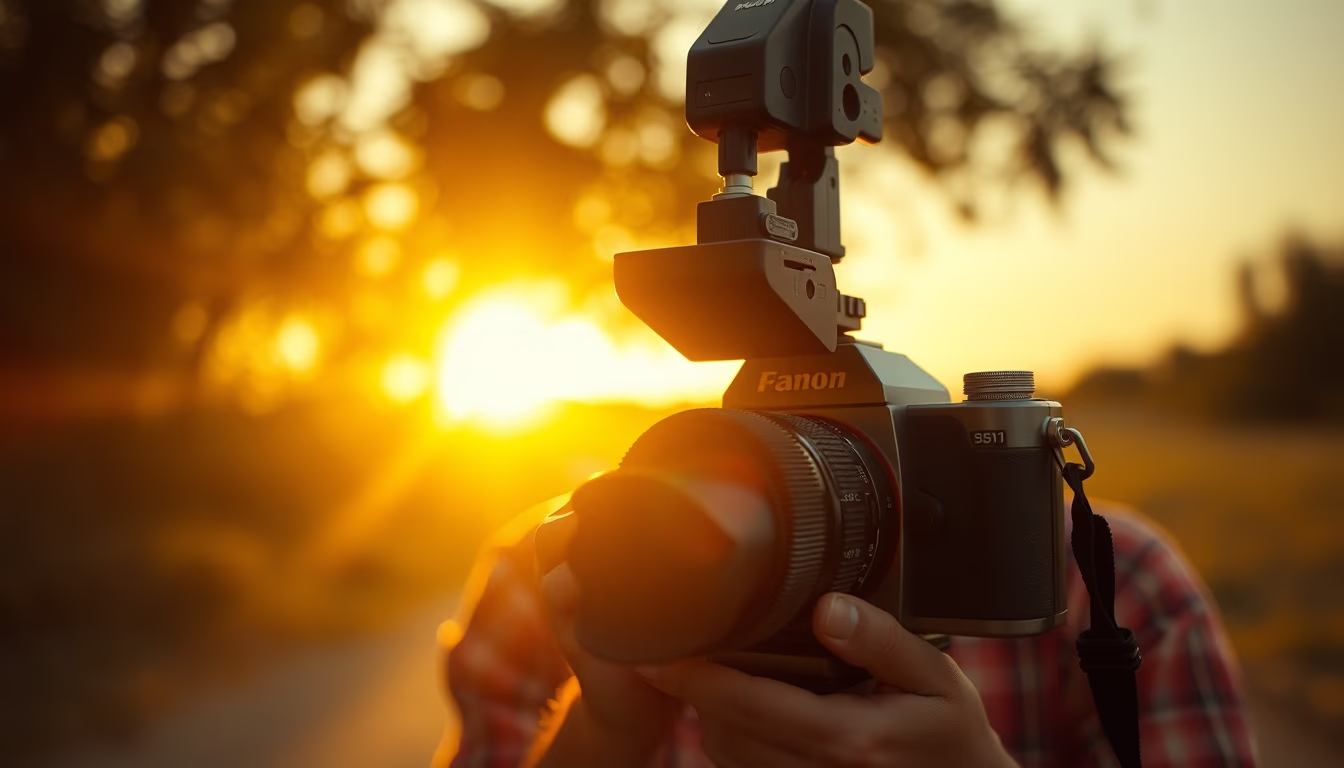
Vintage cameras are icons of photographic evolution, blending mechanical engineering and visual art in era-defining equipment.
About this subject
The history of vintage cameras begins in the 19th century with the invention of the daguerreotype in 1839. Since then, photography has undergone radical transformations. Cameras like the Leica I, launched in 1925, popularized the 35 mm format and made photography portable. The Rolleiflex, with its twin-lens reflex system, dominated the professional market in the 1950s and 1960s. The Kodak Brownie, introduced in 1900, democratized photography at a cost of just one dollar, allowing anyone to record everyday moments.
Mechanical design of these cameras reflects Swiss watchmaking precision and the creativity of German and Japanese manufacturers. Models like the Nikon F (1959) set standards for durability and performance that endure today. Film photography, with its characteristic grain, imposed creative limits that photographers had to master: exposure, depth of field, and chemical development.
Today, vintage cameras are not just collectibles but living tools. The resurgence of film photography from 2010 onward drove a new generation of photographers to seek these cameras. Brands like Ilford and Kodak resumed film production, and specialized vintage camera stores flourish. Owning a vintage camera is participating in a tradition that values the process and the anticipation of the printed result.
Beyond historical value, vintage cameras influence the design of modern digital cameras. Some companies, such as Fujifilm with its X series, incorporate analog dials and retro finishes to evoke classic aesthetics. The auction market also moves high sums: a Leica 0-series can sell for over 2 million euros, highlighting the prestige of these objects.
Frequently Asked Questions
What was the first photographic camera in history?
The first camera was the camera obscura, but the first to permanently capture images was the daguerreotype, created by Louis Daguerre in 1839. It produced unique images on silver-coated copper plates.
Why are vintage cameras popular today?
They offer a tangible and creative experience in the digital age. Film photography requires planning and technical knowledge, resulting in images with unique grain and color characteristics that many photographers appreciate.
How to identify a valuable vintage camera?
Look for brands like Leica, Hasselblad, Rolleiflex, and Nikon. Rare models in good working condition with original lenses tend to be more valuable. Check the serial number, presence of accessories, and originality of parts.
Direct URL
https://pub-c7d6a6ea828543ac903a74a341ccb2e1.r2.dev/imagens/photography-vintage-camera-cinematic-wide-shot-p3.avifHow to credit
Include a visible link back to UtilizAí. Copy one of the snippets below:
<a href="https://xn--utiliza-eza.com/en/midia/imagens/photography-vintage-camera-cinematic-wide-shot-p3">Photography vintage camera</a> by <a href="https://xn--utiliza-eza.com">UtilizAí</a>, licensed under <a href="https://creativecommons.org/licenses/by/4.0/">CC BY 4.0</a>.
[Photography vintage camera](https://xn--utiliza-eza.com/en/midia/imagens/photography-vintage-camera-cinematic-wide-shot-p3) by [UtilizAí](https://xn--utiliza-eza.com), CC BY 4.0
License: CC-BY-4.0