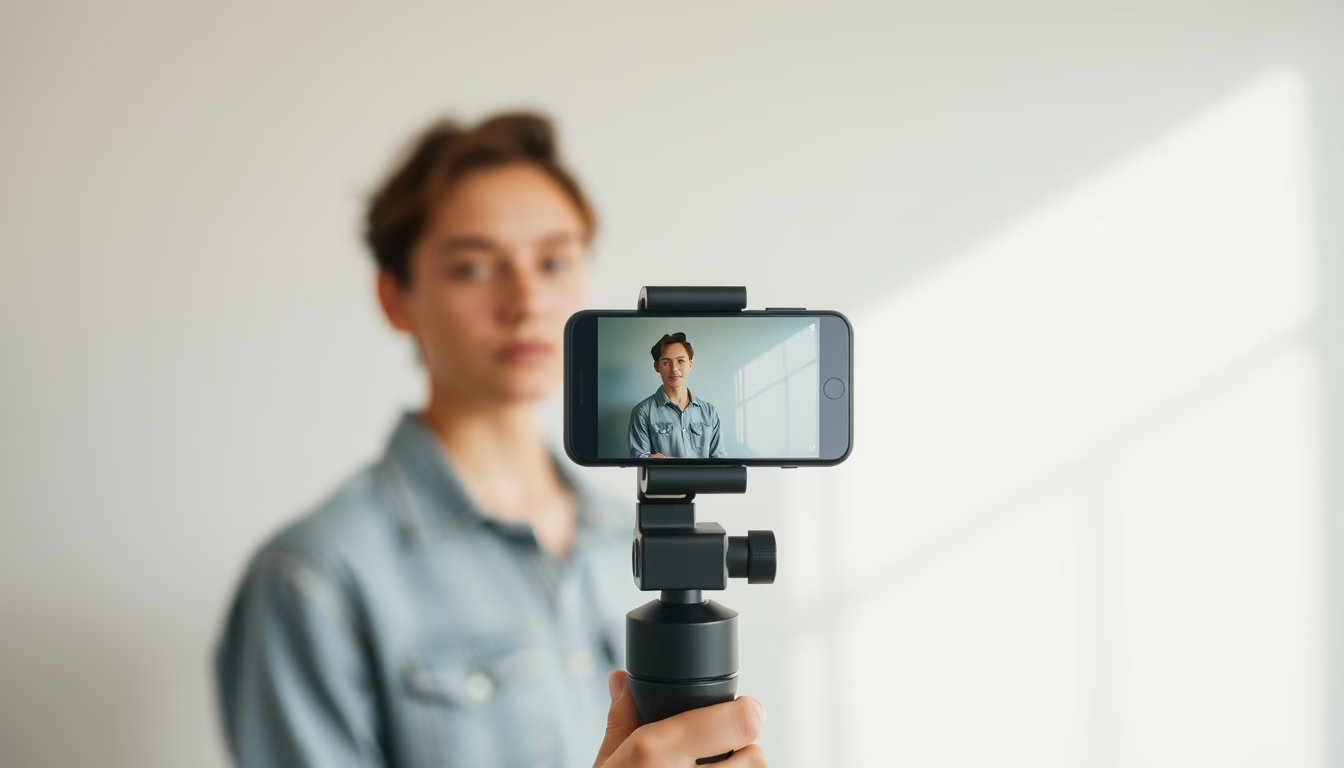
Phone gimbal stabilizer
1344×768 · AVIF · CC BY 4.0
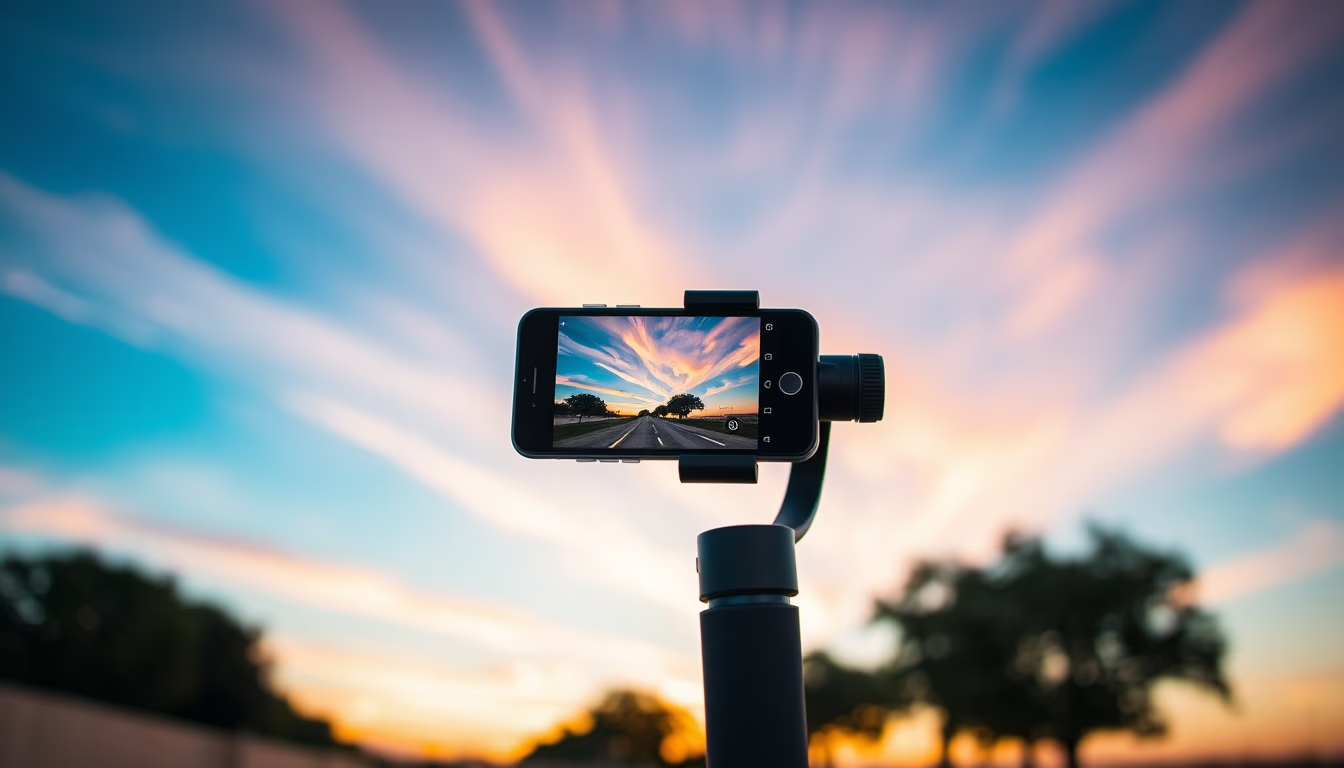
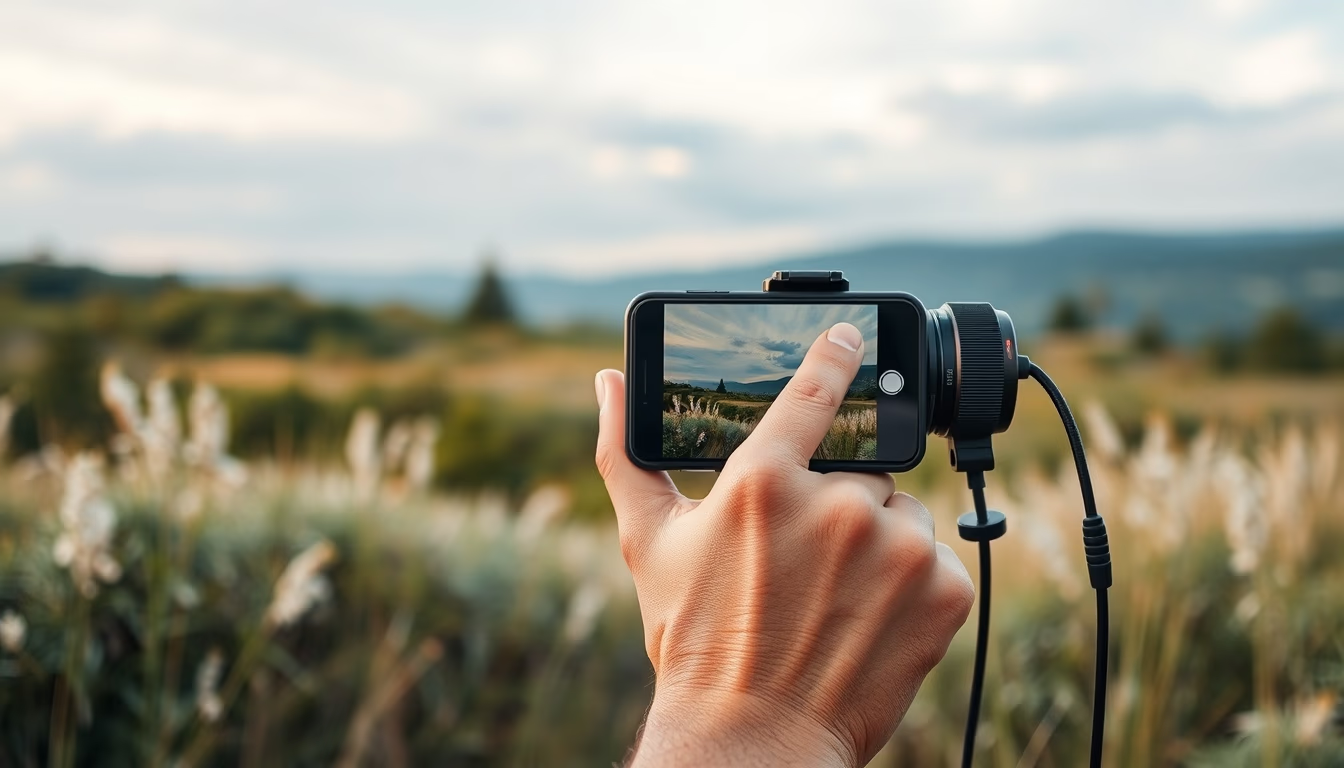
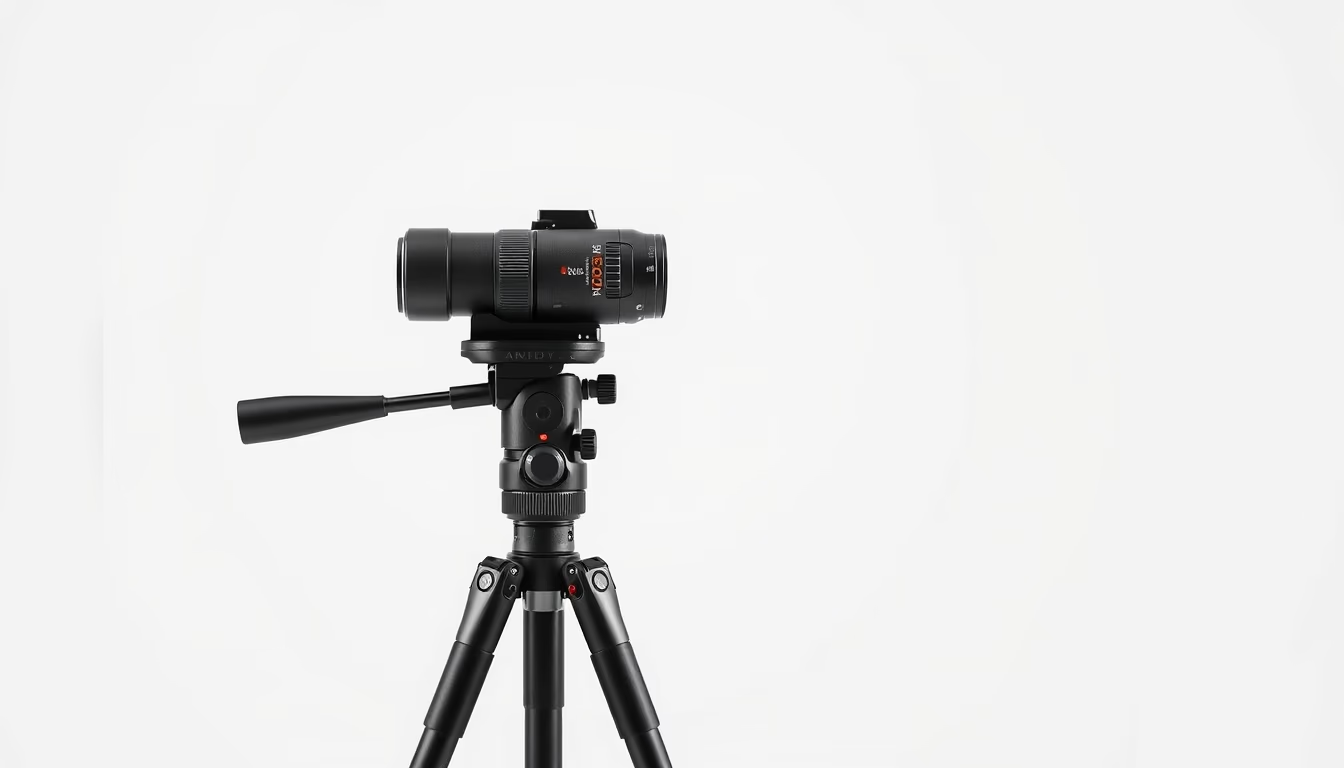
The phone gimbal stabilizer enables sharp long-exposure photos and smooth videos by using motors and sensors to compensate for hand movements.
About this subject
A phone gimbal stabilizer is a portable device that uses electronic motors and motion sensors to keep the phone's camera level and steady, even during walking or sudden movements. This technology is crucial for long-exposure photography, as it allows exposures of several seconds without a tripod, reducing blur caused by shake. Modern gimbals typically have three axes (pan, tilt, roll) and are controlled by algorithms that anticipate and correct vibrations in real time.
Unlike a tripod, a gimbal offers mobility, making it ideal for urban night scenes, fluid water shots, or light trails from vehicles, common situations in long-exposure photography. Many models integrate extra features like timelapse, hyperlapse, and follow focus control. According to manufacturers such as DJI, Zhiyun, and Insta360, the payload capacity ranges from 200g to 400g, compatible with most modern smartphones, including those with clip-on lenses.
The use of gimbals for long exposure has democratized techniques once restricted to DSLRs and heavy tripods. Today, anyone with a smartphone and a gimbal can create images with exposures of 30 seconds or more, provided the device has apps that manually control the shutter. The popularity of such gear has grown alongside more sensitive phone sensors and image stacking algorithms, such as Night Mode, which benefit from mechanical stabilization.
A fun fact: the term "gimbal" originated in nautical contexts, referring to a system of rings that keeps a compass or lamp level, later adapted for cameras. For smartphones, the gimbal must be calibrated before each use to ensure accuracy, and battery life ranges from 6 to 12 hours, depending on the model and usage intensity.
Frequently Asked Questions
What's the difference between a gimbal and a tripod for long exposure?
A gimbal allows mobility and smooth video while moving, whereas a tripod provides fixed stability. For long exposure, tripods are better for exposures longer than 30 seconds, while gimbals are practical for short to medium exposures (up to 30 seconds) and video.
Can I use any smartphone with a gimbal?
Most gimbals are compatible with 6- to 7-inch smartphones, but you must check the maximum payload. Heavier phones or thick cases may not be suitable. Consult the manufacturer's specifications.
Does a gimbal really improve night photos?
Yes. By stabilizing the phone, a gimbal allows slower shutter speeds without shake, capturing more light. Combined with software night modes, the result is sharper and less noisy.
Direct URL
https://pub-c7d6a6ea828543ac903a74a341ccb2e1.r2.dev/imagens/phone-gimbal-stabilizer-long-exposure-fresh8.avifHow to credit
Include a visible link back to UtilizAí. Copy one of the snippets below:
<a href="https://xn--utiliza-eza.com/en/midia/imagens/phone-gimbal-stabilizer-long-exposure-fresh8">Phone gimbal stabilizer</a> by <a href="https://xn--utiliza-eza.com">UtilizAí</a>, licensed under <a href="https://creativecommons.org/licenses/by/4.0/">CC BY 4.0</a>.
[Phone gimbal stabilizer](https://xn--utiliza-eza.com/en/midia/imagens/phone-gimbal-stabilizer-long-exposure-fresh8) by [UtilizAí](https://xn--utiliza-eza.com), CC BY 4.0
License: CC-BY-4.0