Phone gimbal stabilizer
1344×768 · AVIF · CC BY 4.0
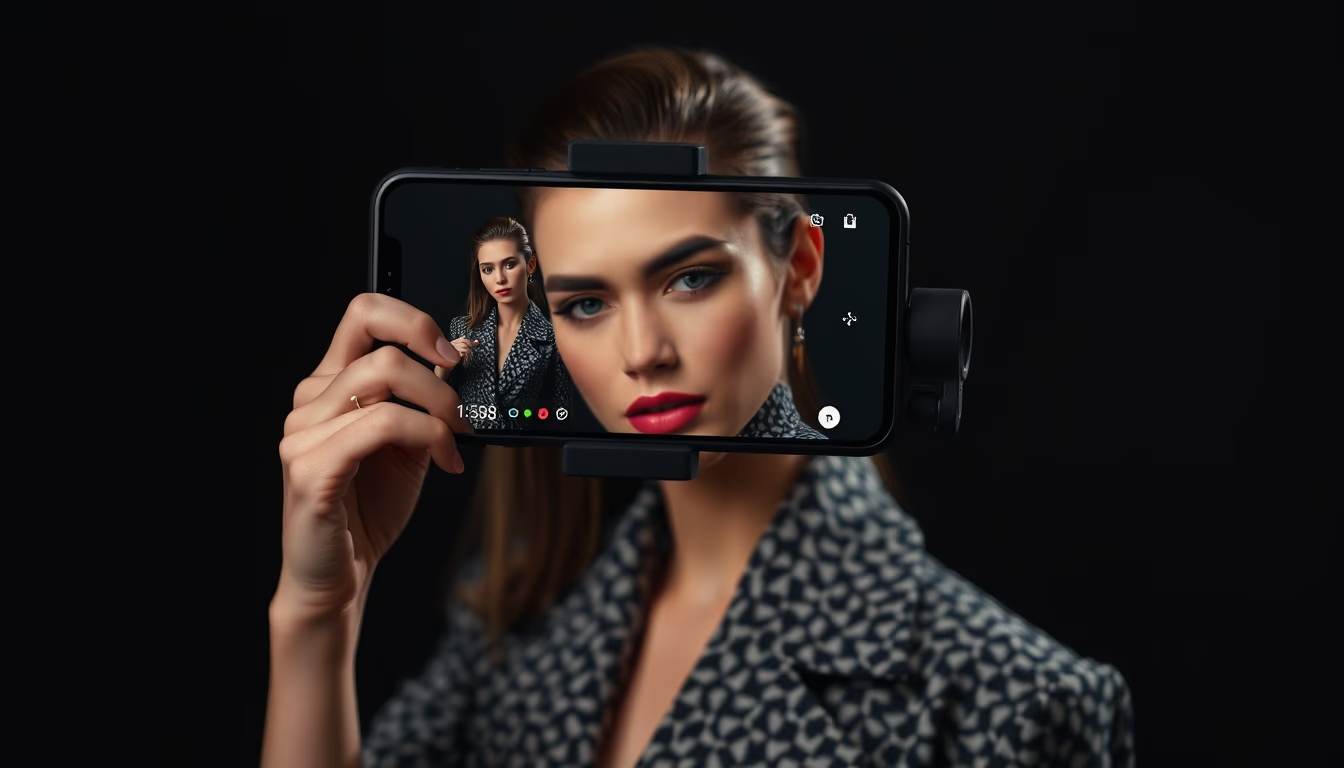
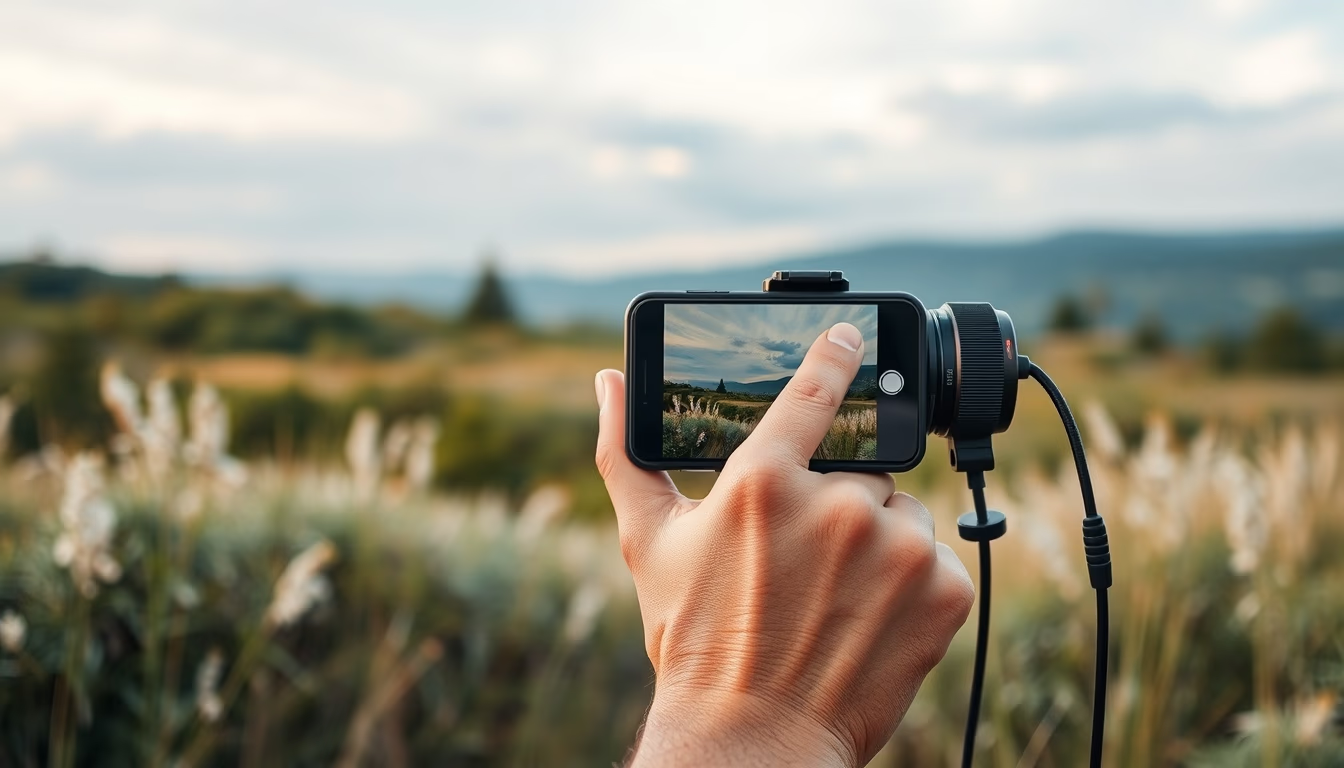
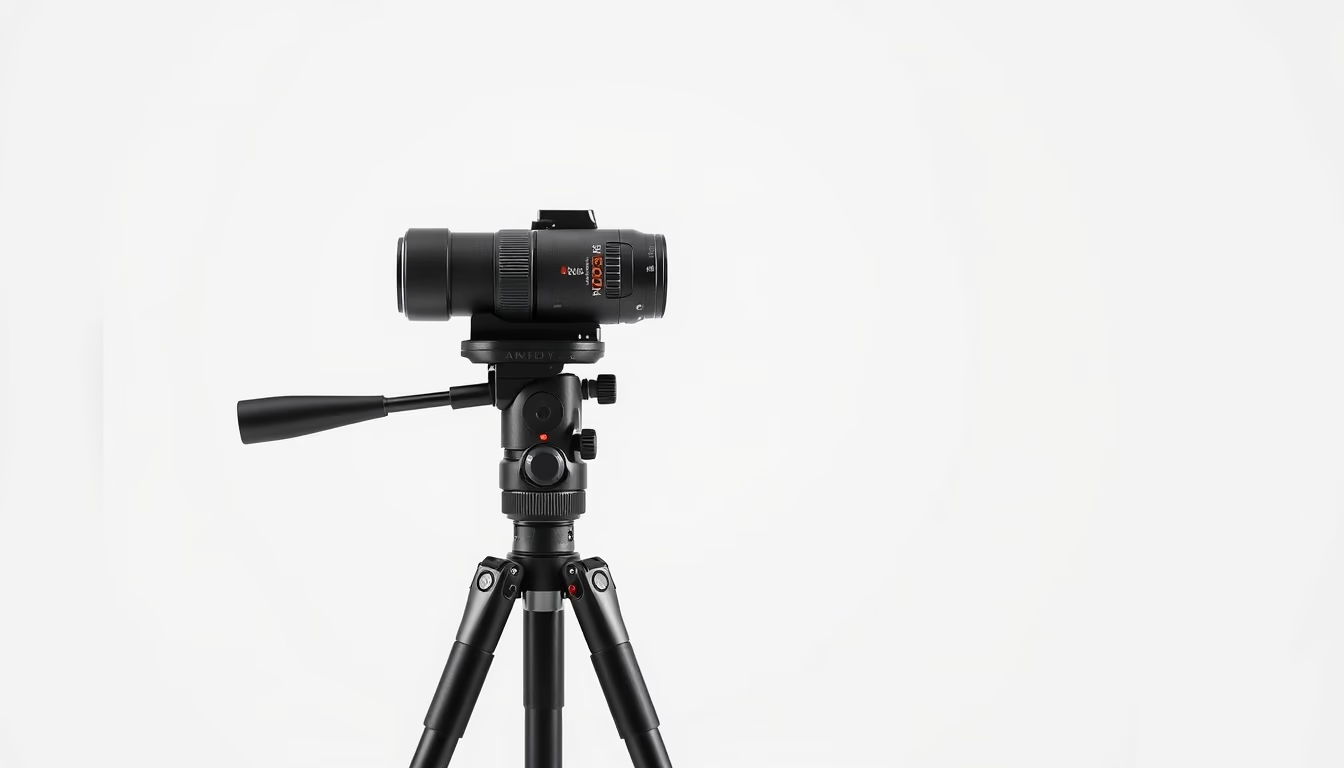
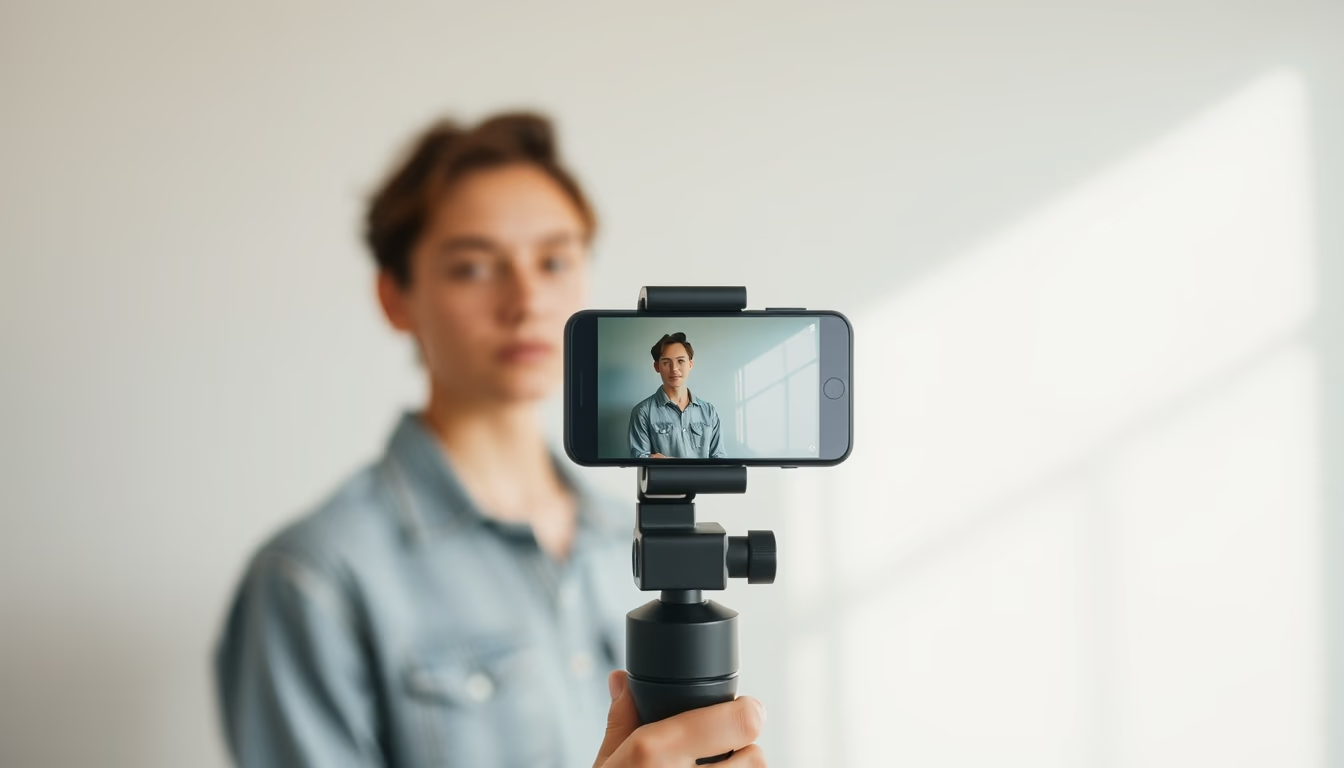
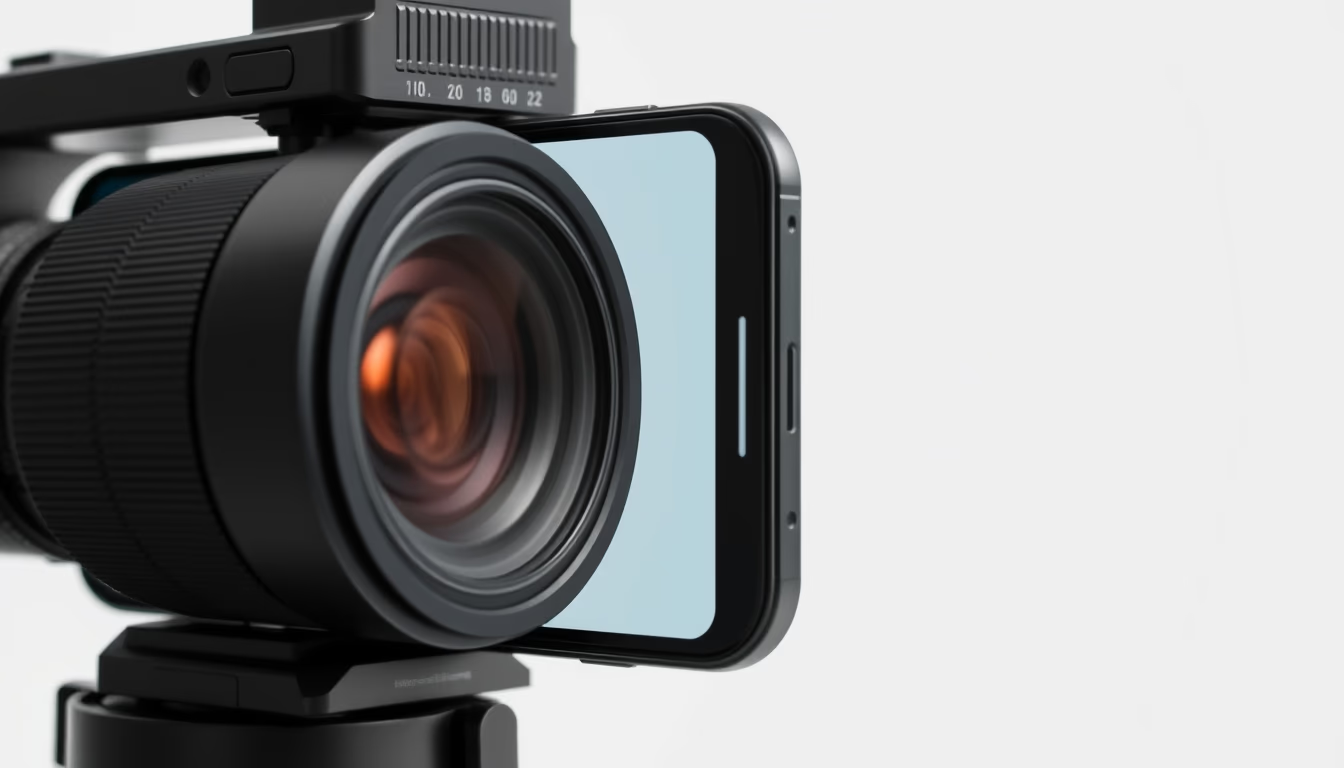
Smartphone gimbal stabilizer, an essential accessory for smooth professional-grade mobile footage, used by content creators and filmmakers.
About this subject
A smartphone gimbal is a motorized device that keeps the phone camera level and stable during video recording. It uses three motors controlled by gyroscopes and accelerometers to counteract unwanted movements like shakes or rotations. These devices have evolved rapidly since the early 2010s, becoming more compact, lightweight, and affordable.
The main advantage of a gimbal is eliminating jitter in dynamic scenes such as walking, running, or sports. Unlike electronic image stabilization (EIS), which crops the frame and may cause distortions, a gimbal provides mechanical stabilization without sacrificing image quality. This allows anyone to capture professional looking videos without expensive gear.
In the creative industry, gimbals are standard tools for vloggers, influencers, and independent filmmakers. Brands like DJI, Zhiyun, and Feiyu Tech dominate the market, offering models with advanced features: object tracking, timelapse, and programmable shooting modes. In fashion productions such as high fashion editorials, gimbals enable precise camera movements that enhance clothing, textures, and scenery.
To get the most out of the equipment, it is important to calibrate the gimbal before use and properly balance the smartphone's weight. Modern gimbals also function as power banks and integrate with editing apps. As computational imaging advances, future models are expected to combine mechanical stabilization with artificial intelligence for automatic scene composition.
Frequently Asked Questions
What is the difference between a gimbal and optical stabilization?
Optical image stabilization (OIS) is built into the camera lens and corrects small vibrations, while a gimbal is an external accessory that stabilizes the entire device. The gimbal provides three axis correction and is more effective for wide movements.
Does a gimbal work with any smartphone?
Most gimbals have a weight limit (around 250 to 300 grams) and width. Common smartphones like iPhones and Samsung Galaxy are compatible, but large models or thick cases may exceed capacity. Check the manufacturer's specifications.
Do I need to calibrate the gimbal before use?
Yes, calibration is recommended to ensure accuracy. Most gimbals come with an app that guides the process. Calibration should be done on a level surface and after changing the smartphone or adjusting the balance.
Direct URL
https://pub-c7d6a6ea828543ac903a74a341ccb2e1.r2.dev/imagens/phone-gimbal-stabilizer-high-fashion-editorial-fresh3.avifHow to credit
Include a visible link back to UtilizAí. Copy one of the snippets below:
<a href="https://xn--utiliza-eza.com/en/midia/imagens/phone-gimbal-stabilizer-high-fashion-editorial-fresh3">Phone gimbal stabilizer</a> by <a href="https://xn--utiliza-eza.com">UtilizAí</a>, licensed under <a href="https://creativecommons.org/licenses/by/4.0/">CC BY 4.0</a>.
[Phone gimbal stabilizer](https://xn--utiliza-eza.com/en/midia/imagens/phone-gimbal-stabilizer-high-fashion-editorial-fresh3) by [UtilizAí](https://xn--utiliza-eza.com), CC BY 4.0
License: CC-BY-4.0