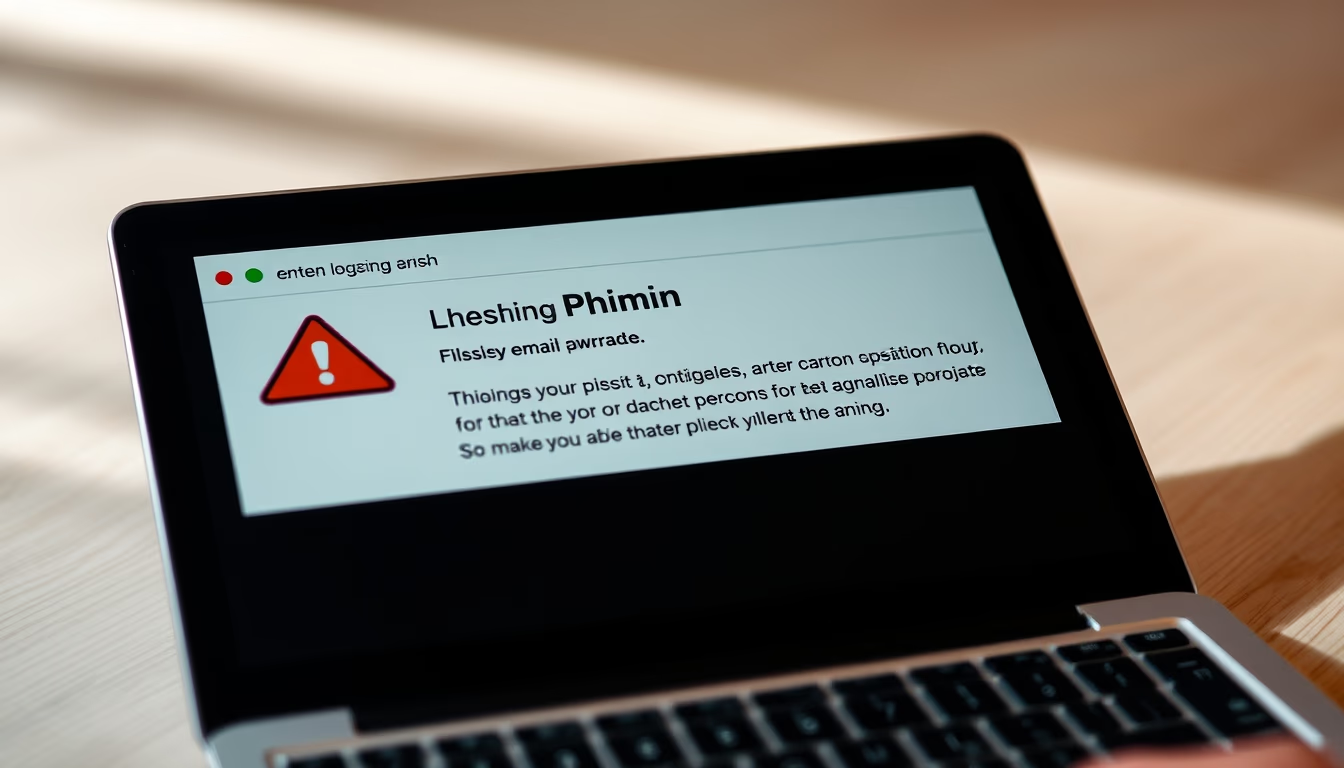
Phishing email warning
1344×768 · AVIF · CC BY 4.0

Learn how to identify a phishing email, the most common tactic used by cybercriminals to steal personal and financial data.
About this subject
Phishing is a type of cyber attack where criminals send fraudulent messages that appear to come from trusted sources, such as banks, tech companies, or government agencies. The goal is to trick the victim into clicking a malicious link, downloading an infected file, or providing sensitive information like passwords and credit card numbers.
Common signs of a phishing email include spelling and grammar errors, suspicious sender addresses, generic greetings like "Dear Customer", and a sense of urgency, such as threats of account suspension or too-good-to-be-true offers. According to the Anti-Phishing Working Group, Brazil is one of the most targeted countries, with thousands of active campaigns each month.
To protect yourself, never click on links or download attachments from unsolicited messages. Hover over links to see the actual destination, check if the email addresses you by name correctly, and contact the institution through official channels if you are unsure. Legitimate companies do not ask for passwords or financial data via email.
The impact of a successful phishing attack can be devastating, including identity theft, financial losses, and corporate data breaches. Awareness and employee training are crucial to reduce risks in organizations.
Frequently Asked Questions
What should I do if I click on a phishing link?
Immediately disconnect the device from the internet, run an updated antivirus scan, and change passwords for affected accounts. Contact the bank or company involved to report the incident.
How can I tell a real email from a phishing email?
Check the full sender email address, look for typos, and be wary of messages that demand urgent action. Legitimate banks do not send links for account updates via email.
Can phishing happen through other means besides email?
Yes, phishing also occurs via SMS (smishing), phone calls (vishing), and social media messages. The principle remains the same: trick the victim into revealing data.
Direct URL
https://pub-c7d6a6ea828543ac903a74a341ccb2e1.r2.dev/imagens/phishing-email-warning-studio-editorial-portrait-p1.avifHow to credit
Include a visible link back to UtilizAí. Copy one of the snippets below:
<a href="https://xn--utiliza-eza.com/en/midia/imagens/phishing-email-warning-studio-editorial-portrait-p1">Phishing email warning</a> by <a href="https://xn--utiliza-eza.com">UtilizAí</a>, licensed under <a href="https://creativecommons.org/licenses/by/4.0/">CC BY 4.0</a>.
[Phishing email warning](https://xn--utiliza-eza.com/en/midia/imagens/phishing-email-warning-studio-editorial-portrait-p1) by [UtilizAí](https://xn--utiliza-eza.com), CC BY 4.0
License: CC-BY-4.0