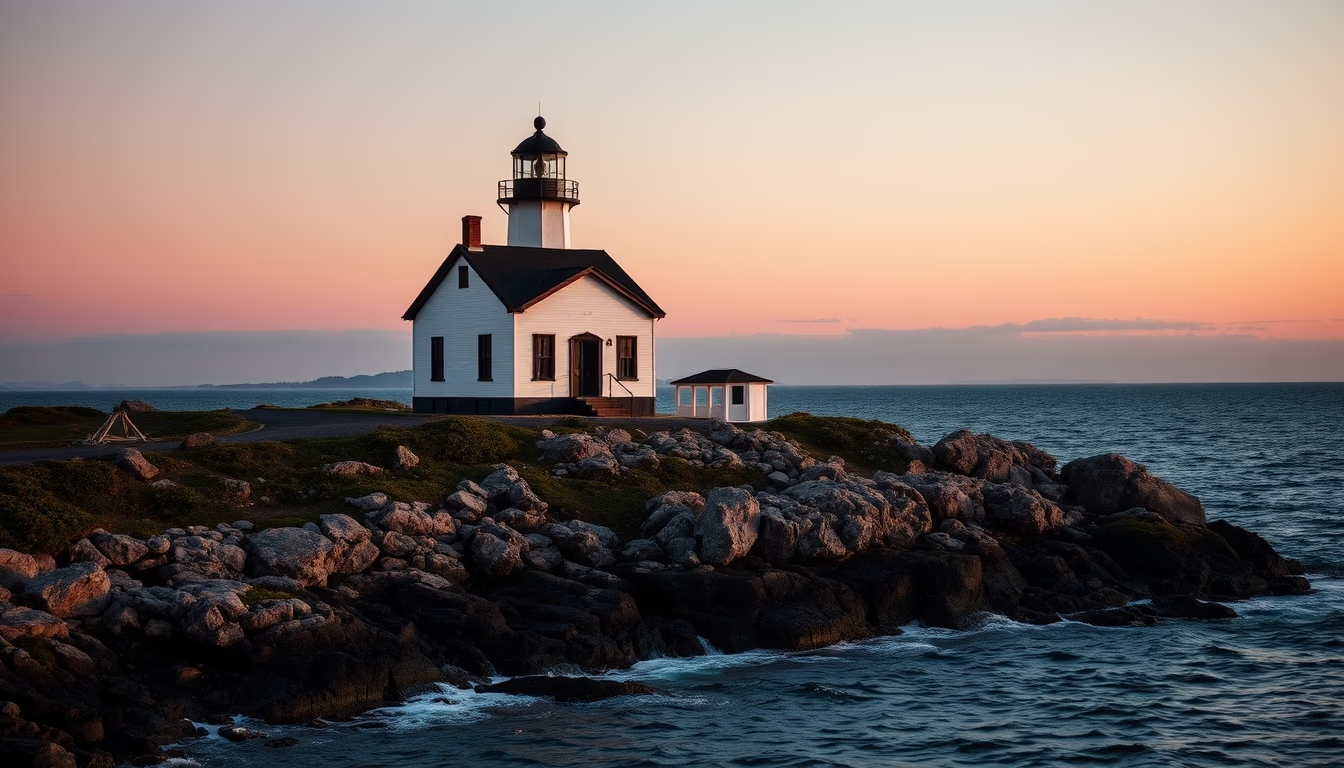
Pharos alexandria reconstruction
1344×768 · AVIF · CC BY 4.0

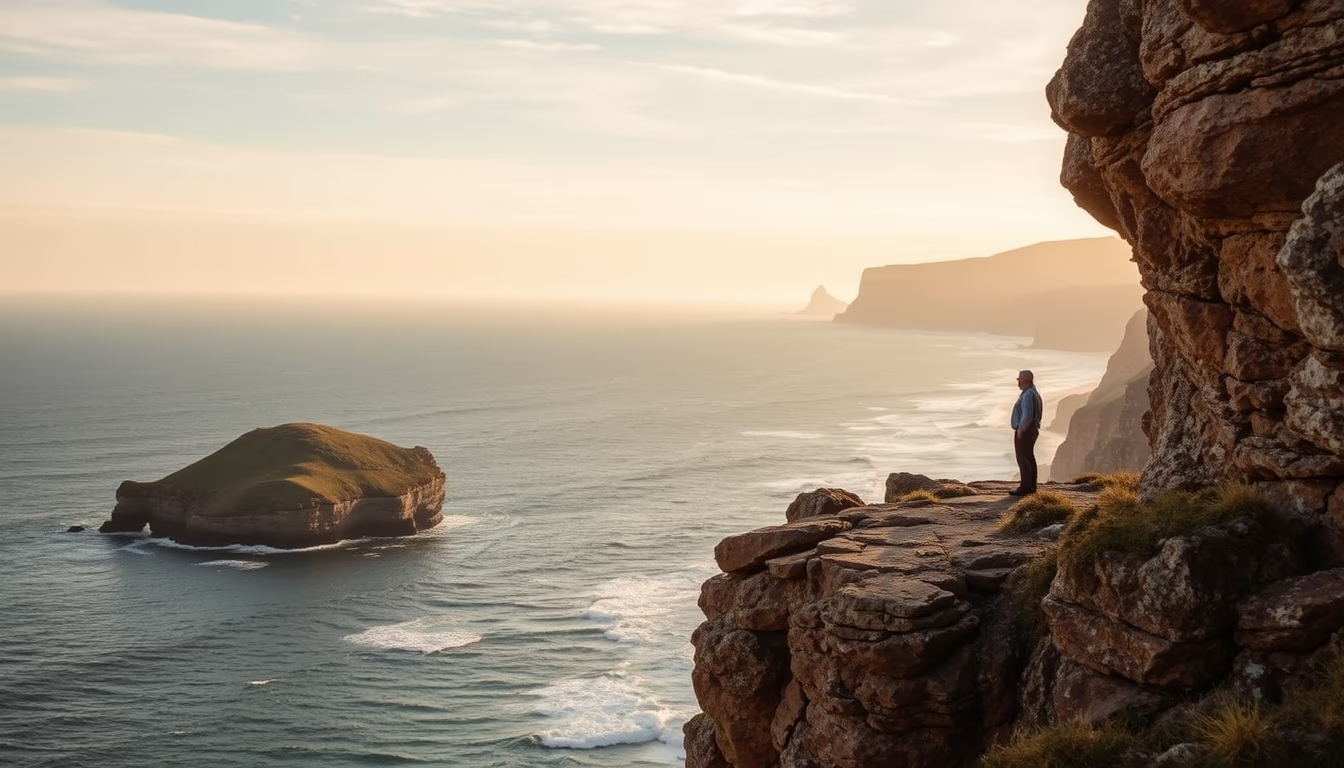
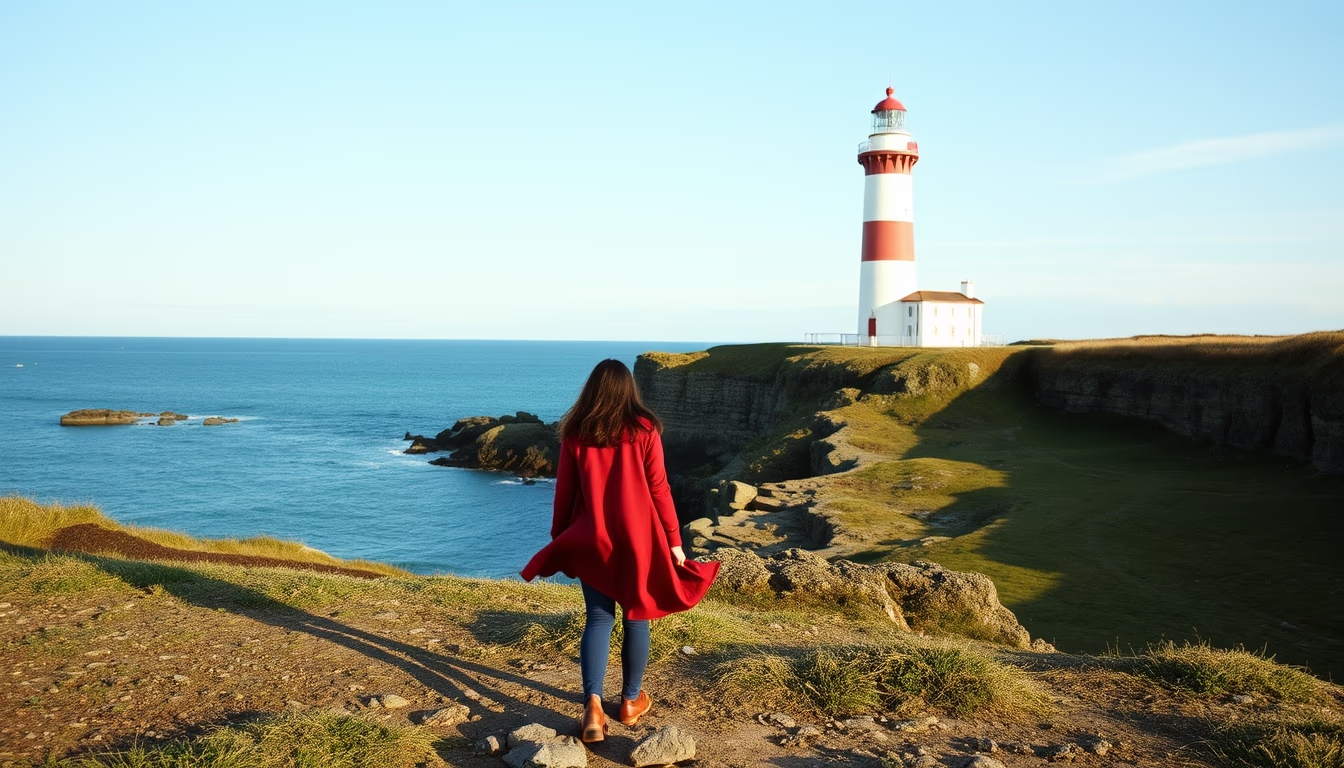
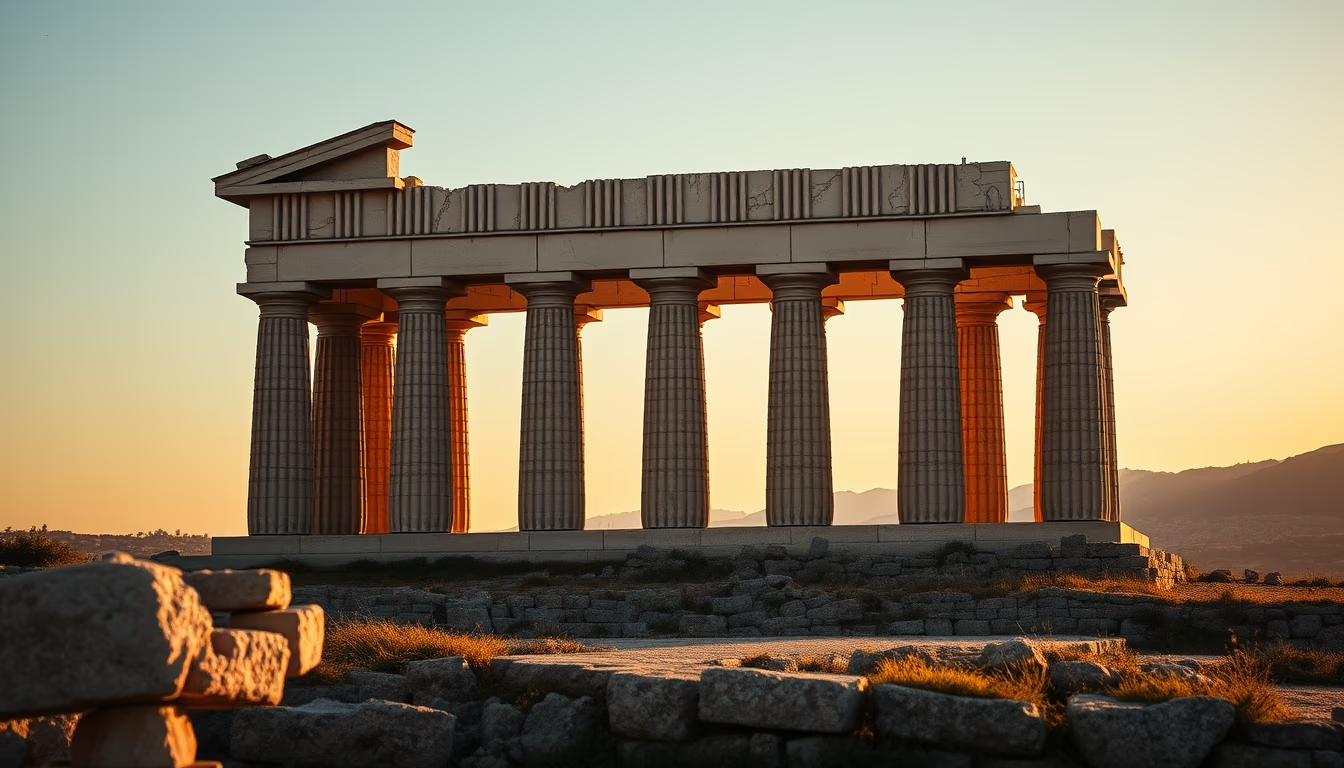
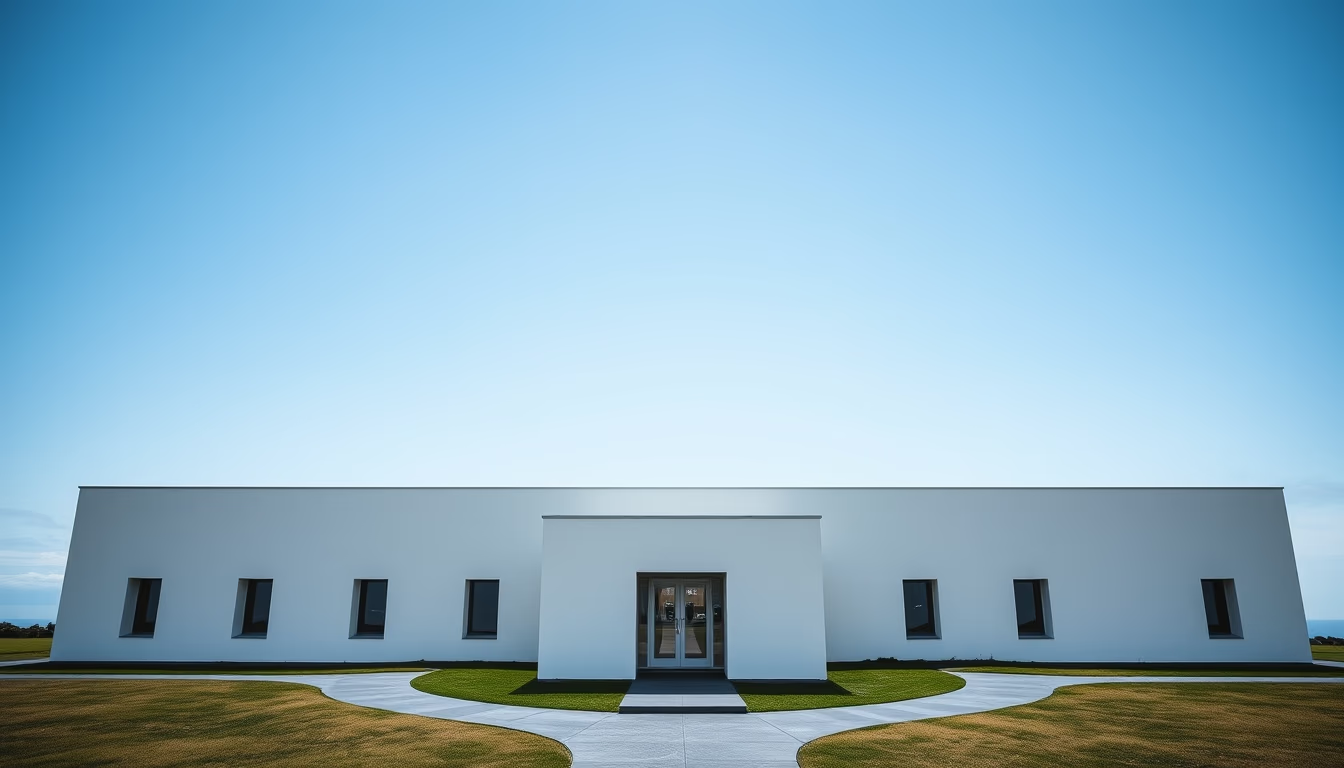
Reconstruction of the Lighthouse of Alexandria, one of the Seven Wonders of the Ancient World, which guided ships into the Egyptian port.
About this subject
The Lighthouse of Alexandria, also known as the Pharos, was built between 280 and 247 BC on the island of Pharos, near the coast of Alexandria, Egypt. Standing between 100 and 130 meters tall, it was one of the tallest structures of the ancient world, serving as a navigational aid for sailors in the Mediterranean Sea. Its construction was commissioned by Ptolemy I Soter and completed by his son Ptolemy II Philadelphus, with design by the architect Sostratus of Cnidus. The lighthouse used fire at night and mirrors to reflect sunlight during the day, visible up to 50 kilometers away.
Over the centuries, the lighthouse suffered damage from earthquakes, particularly in 956, 1303, and 1323, which reduced it to ruins. In the 15th century, the Mamluk sultan Qaitbay built a fortress on the site using stones from the lighthouse. Since then, the Pharos became a lost symbol of Hellenistic engineering. Recently, from the 1990s, underwater archaeologists discovered hundreds of stone blocks and statues on the seabed of Alexandria's harbor, confirming the exact location of the original structure.
In 2015, the Egyptian government announced plans to reconstruct the lighthouse near its original site as part of a tourism and historical revitalization project. The proposed reconstruction follows studies of ancient architecture and models based on Roman coins and medieval traveler descriptions, such as the Arab geographer Al-Idrisi. The new Pharos will not be an exact replica, but a modern interpretation that seeks to recreate its grandeur, combining current construction techniques with classical aesthetics. The project faces challenges such as preserving the underwater archaeological site and integrating with Alexandria's urban landscape.
The reconstruction of the Lighthouse of Alexandria represents more than an architectural work: it is a recovery of the historical and cultural memory of Ptolemaic Egypt. The expectation is that the new lighthouse will become a museum and tourist attraction, educating visitors about the importance of the ancient lighthouse in navigation and Mediterranean trade. The initiative can also boost the local economy and reaffirm Alexandria's historical identity as a center of knowledge and innovation in antiquity.
Frequently Asked Questions
Why was the Lighthouse of Alexandria destroyed?
The lighthouse was damaged and eventually destroyed by a series of earthquakes over the centuries, especially in 956, 1303, and 1323. In the 15th century, Sultan Qaitbay used its stones to build a fortress on the site.
Will the Lighthouse of Alexandria actually be rebuilt?
Yes, the Egyptian government announced plans in 2015 to rebuild the lighthouse near the original site as part of a tourism and historical project. The reconstruction will be a modern interpretation based on archaeological and historical evidence.
How tall was the Lighthouse of Alexandria?
The original lighthouse is estimated to have been between 100 and 130 meters tall, making it one of the tallest structures of the ancient world, comparable to a 30-story building.
Direct URL
https://pub-c7d6a6ea828543ac903a74a341ccb2e1.r2.dev/imagens/pharos-alexandria-reconstruction-documentary-photography-fresh10.avifHow to credit
Include a visible link back to UtilizAí. Copy one of the snippets below:
<a href="https://xn--utiliza-eza.com/en/midia/imagens/pharos-alexandria-reconstruction-documentary-photography-fresh10">Pharos alexandria reconstruction</a> by <a href="https://xn--utiliza-eza.com">UtilizAí</a>, licensed under <a href="https://creativecommons.org/licenses/by/4.0/">CC BY 4.0</a>.
[Pharos alexandria reconstruction](https://xn--utiliza-eza.com/en/midia/imagens/pharos-alexandria-reconstruction-documentary-photography-fresh10) by [UtilizAí](https://xn--utiliza-eza.com), CC BY 4.0
License: CC-BY-4.0