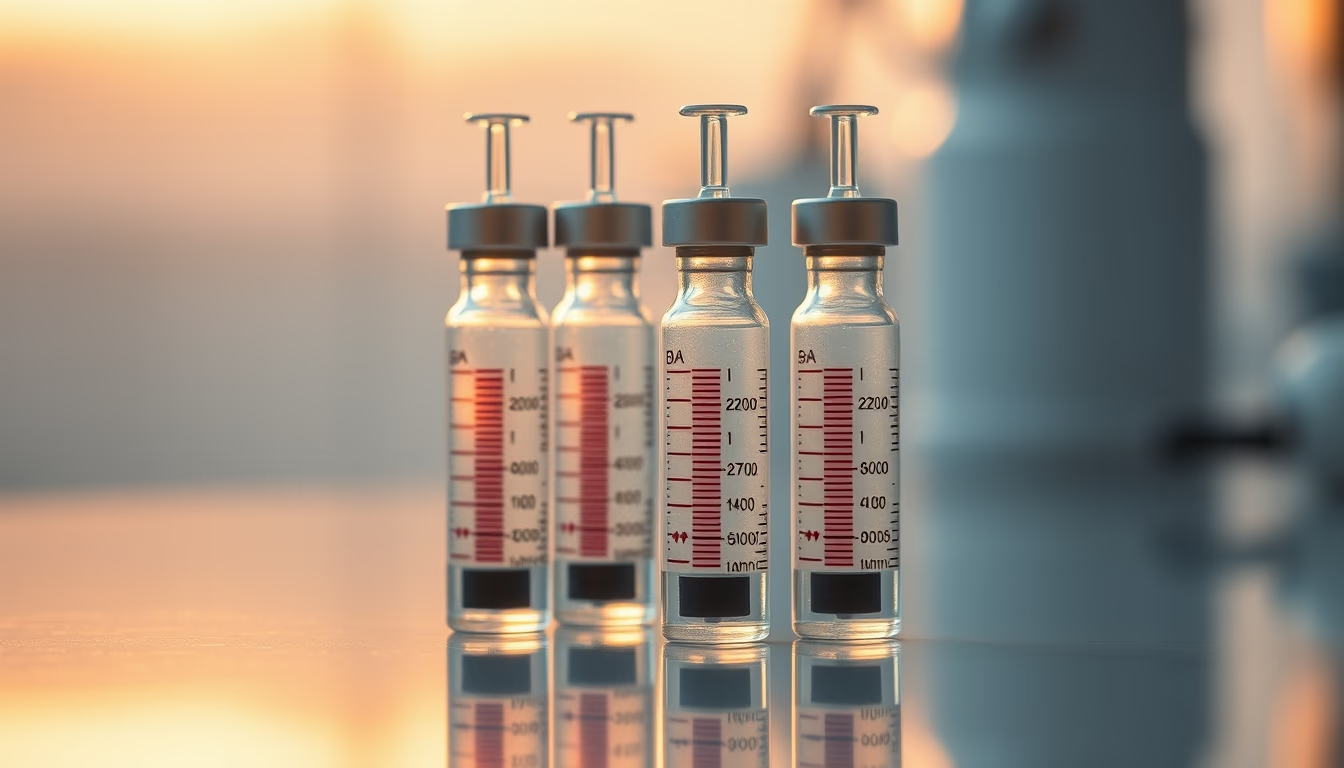
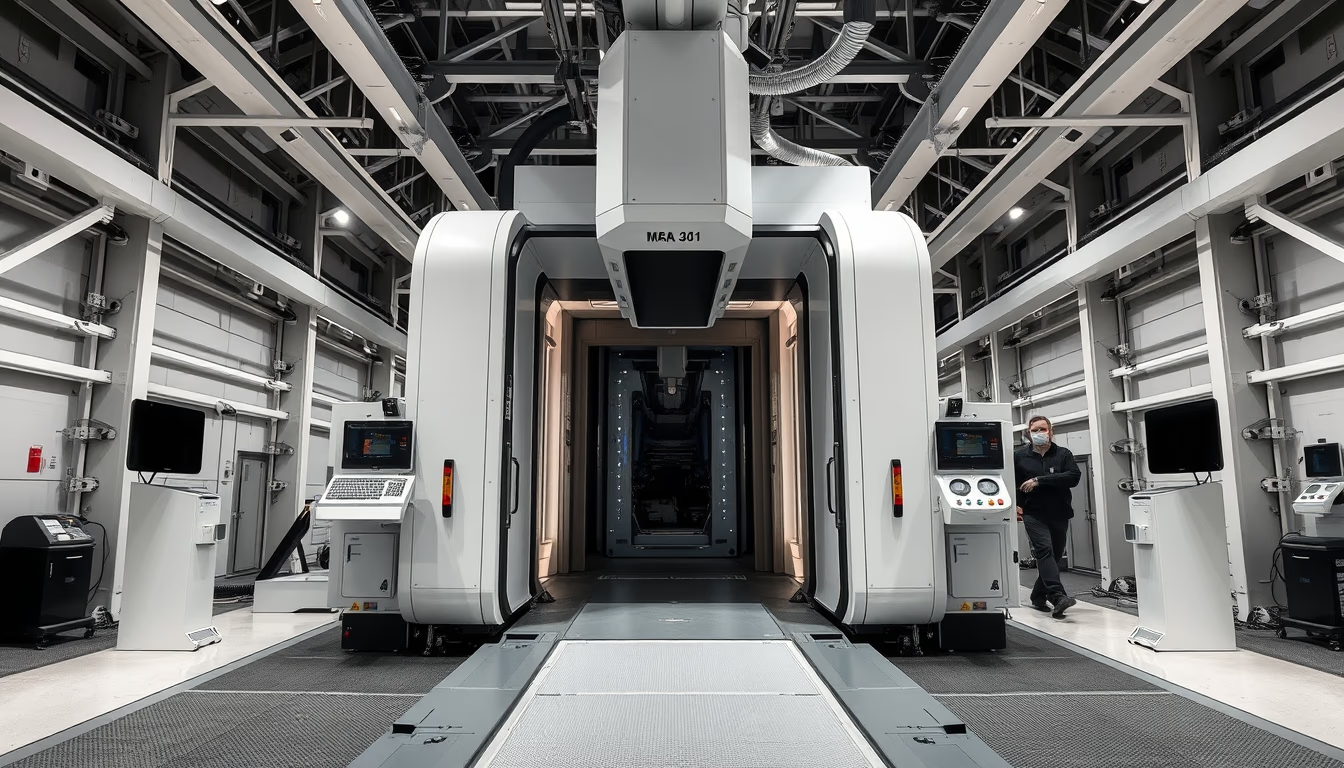
Pharmacy compounding lab
1344×768 · AVIF · CC BY 4.0
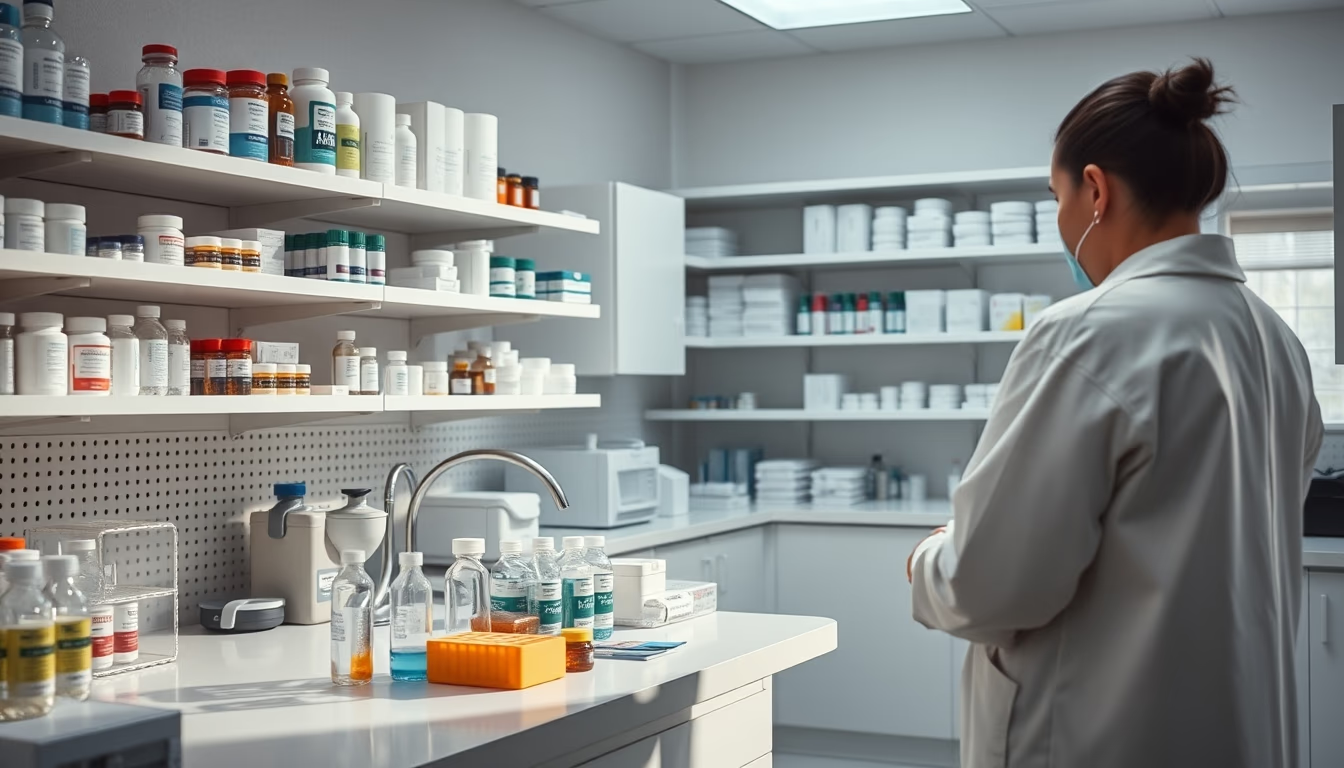
Pharmacy compounding labs prepare personalized medications for patients, following strict regulations from health authorities like FDA and ANVISA.
About this subject
Pharmacy compounding labs are specialized facilities that produce personalized medications. Unlike commercial pharmacies that sell mass-manufactured drugs, these labs combine active ingredients per prescription to meet specific patient needs. This practice is essential when no commercial formulation exists, when the patient has an allergy to an excipient, or when dosage adjustment is required.
In the United States, compounding pharmacies are regulated by state boards of pharmacy and the FDA (Section 503A of the FD&C Act). Facilities must adhere to USP standards (e.g., USP 795 for nonsterile, USP 797 for sterile compounding). The lab layout includes controlled areas for weighing, compounding solids and liquids, and biological safety cabinets for sterile preparations. Equipment like precision balances, mixers, and autoclaves are standard. Quality control measures, including potency and sterility testing, are mandatory.
Common compounded preparations include hormone replacement therapies (e.g., bioidentical hormones), dermatological formulations (creams, gels, ointments), and pediatric doses tailored to a child's weight. Veterinary compounding is also significant. Each batch is subject to rigorous testing, such as content uniformity and dissolution. Full traceability from raw material sourcing to patient delivery is maintained.
Notably, the 2012 fungal meningitis outbreak linked to the New England Compounding Center led to stricter federal oversight in the U.S., including the Drug Quality and Security Act. Compounding remains a critical component of personalized medicine, allowing treatments for rare conditions or patients with unique needs. Additionally, compounding can reduce pharmaceutical waste by preparing exact quantities.
Frequently Asked Questions
What is pharmaceutical compounding?
Pharmaceutical compounding is the process of preparing personalized medications in specialized labs, based on a prescription. It involves mixing active ingredients into specific dosage forms like capsules, creams, or solutions.
Is compounding safe?
Yes, when done in licensed facilities that follow good compounding practices regulated by the FDA or equivalent agencies. Quality controls and traceability ensure the safety and efficacy of the prepared products.
What medications are commonly compounded?
Common compounded medications include hormones (e.g., progesterone, testosterone), dermatological preparations (creams, gels), pediatric doses, and personalized vitamin supplements. Veterinary compounding is also common.
Direct URL
https://pub-c7d6a6ea828543ac903a74a341ccb2e1.r2.dev/imagens/pharmacy-compounding-lab-magazine-editorial-p0.avifHow to credit
Include a visible link back to UtilizAí. Copy one of the snippets below:
<a href="https://xn--utiliza-eza.com/en/midia/imagens/pharmacy-compounding-lab-magazine-editorial-p0">Pharmacy compounding lab</a> by <a href="https://xn--utiliza-eza.com">UtilizAí</a>, licensed under <a href="https://creativecommons.org/licenses/by/4.0/">CC BY 4.0</a>.
[Pharmacy compounding lab](https://xn--utiliza-eza.com/en/midia/imagens/pharmacy-compounding-lab-magazine-editorial-p0) by [UtilizAí](https://xn--utiliza-eza.com), CC BY 4.0
License: CC-BY-4.0