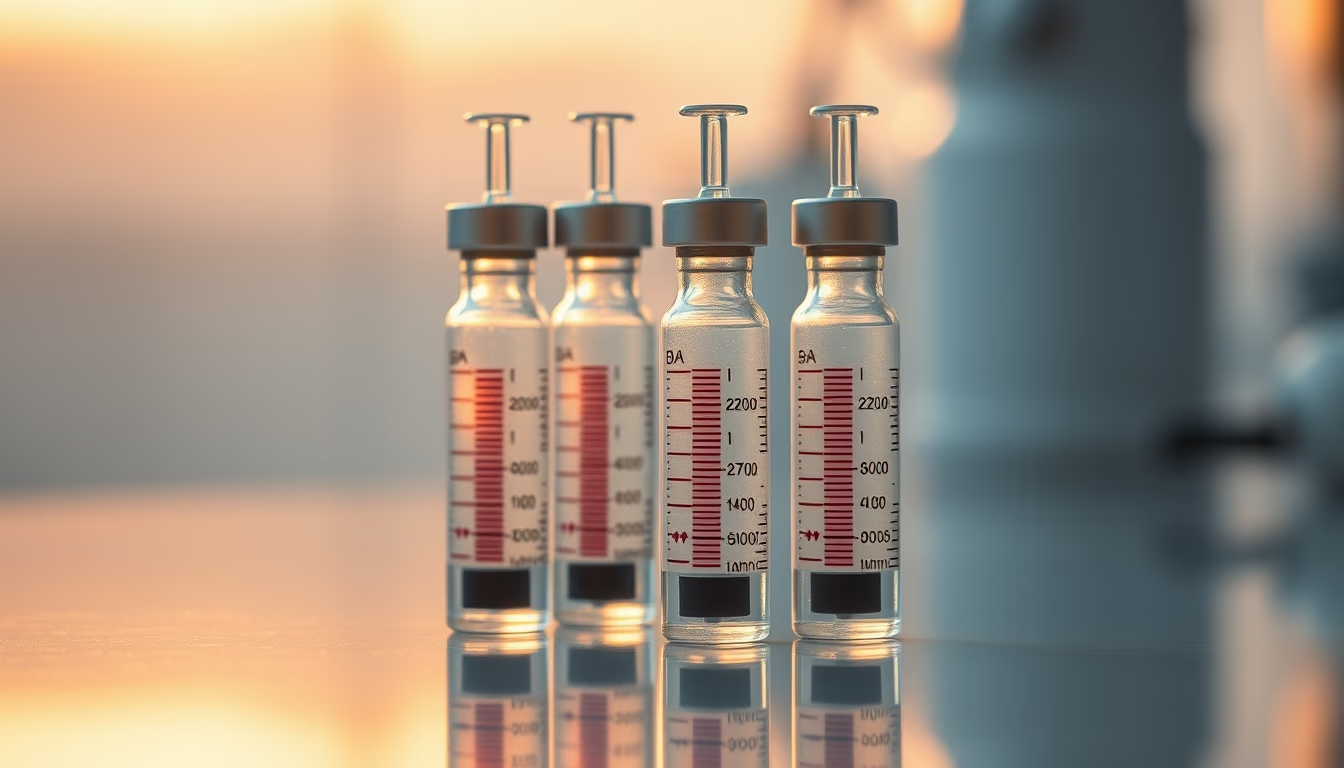
Pharmacy compounding lab
1344×768 · AVIF · CC BY 4.0
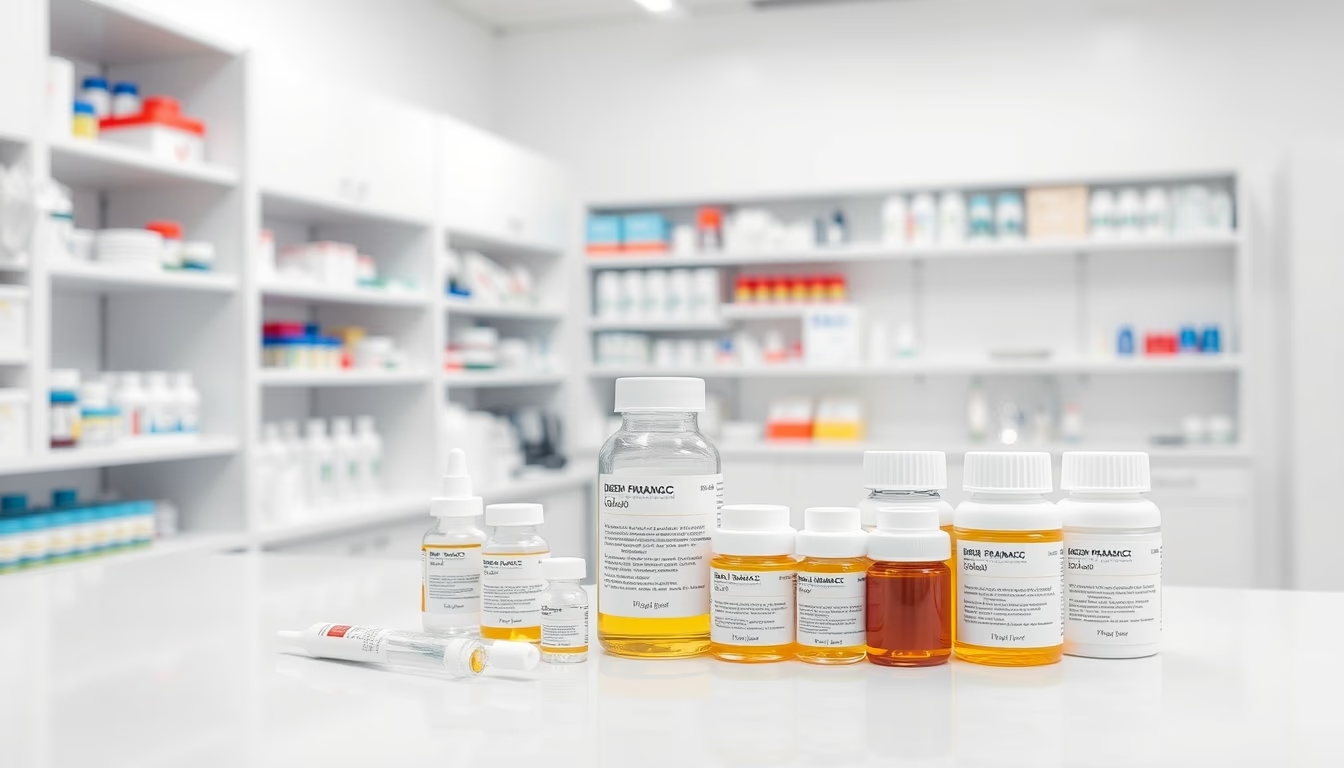
A compounding pharmacy lab customizes medications for individual patients, producing tailored dosages and formulations not commercially available.
About this subject
Compounding pharmacies prepare customized medications according to a healthcare provider's prescription, adjusting dosage forms, strengths, and ingredients to meet individual patient needs. Unlike retail pharmacies that dispense mass-produced drugs, compounding labs create personalized preparations for patients who require specific dosages, have allergies to certain excipients, or need alternative delivery forms (e.g., liquids, creams, troches). They serve diverse populations including pediatrics, geriatrics, dermatology, hormone therapy, and veterinary medicine.
In the United States, compounding pharmacies are regulated by state boards of pharmacy and the FDA. The United States Pharmacopeia (USP) sets standards for compounding, such as USP <795> (non-sterile) and USP <797> (sterile). Quality control and proper documentation are critical to ensure safety and efficacy. The Drug Quality and Security Act (DQSA) of 2013 enhanced oversight after contamination incidents, distinguishing between traditional compounding and outsourcing facilities.
Common applications include hormone replacement therapy (bi-identical hormones), pain management (transdermal gels), pediatric suspensions, and veterinary compounds. Compounding also supports patients with dysphagia, who need liquid alternatives, or those requiring preservative-free preparations. For hospitals, sterile compounding for IV infusions and total parenteral nutrition is life-sustaining.
The pharmaceutical compounding market is projected to grow steadily through 2026, driven by the trend toward personalized medicine, an aging population, and technological advances like 3D printing of medications. Automated compounding systems improve accuracy and reduce contamination risks. As healthcare continues to emphasize individualization, compounding pharmacies remain a vital component of patient care.
Frequently Asked Questions
What is a compounding pharmacy?
A compounding pharmacy is a licensed facility that prepares personalized medications as per a prescription, tailoring dosage forms, strengths, and inactive ingredients to meet individual patient needs.
What are the benefits of compounded medications?
Benefits include customized dosages, alternative forms (liquids, creams, troches), avoidance of allergens or dyes, combination therapies in a single dose, and access to medications that are discontinued or unavailable commercially.
Are compounded medications safe?
Yes, when prepared by accredited compounding pharmacies following USP standards (e.g., USP <795>) and state/FDA regulations. Quality control, proper labeling, and professional oversight ensure safety, though risks exist with improper compounding.
Direct URL
https://pub-c7d6a6ea828543ac903a74a341ccb2e1.r2.dev/imagens/pharmacy-compounding-lab-commercial-product-photography-p1.avifHow to credit
Include a visible link back to UtilizAí. Copy one of the snippets below:
<a href="https://xn--utiliza-eza.com/en/midia/imagens/pharmacy-compounding-lab-commercial-product-photography-p1">Pharmacy compounding lab</a> by <a href="https://xn--utiliza-eza.com">UtilizAí</a>, licensed under <a href="https://creativecommons.org/licenses/by/4.0/">CC BY 4.0</a>.
[Pharmacy compounding lab](https://xn--utiliza-eza.com/en/midia/imagens/pharmacy-compounding-lab-commercial-product-photography-p1) by [UtilizAí](https://xn--utiliza-eza.com), CC BY 4.0
License: CC-BY-4.0