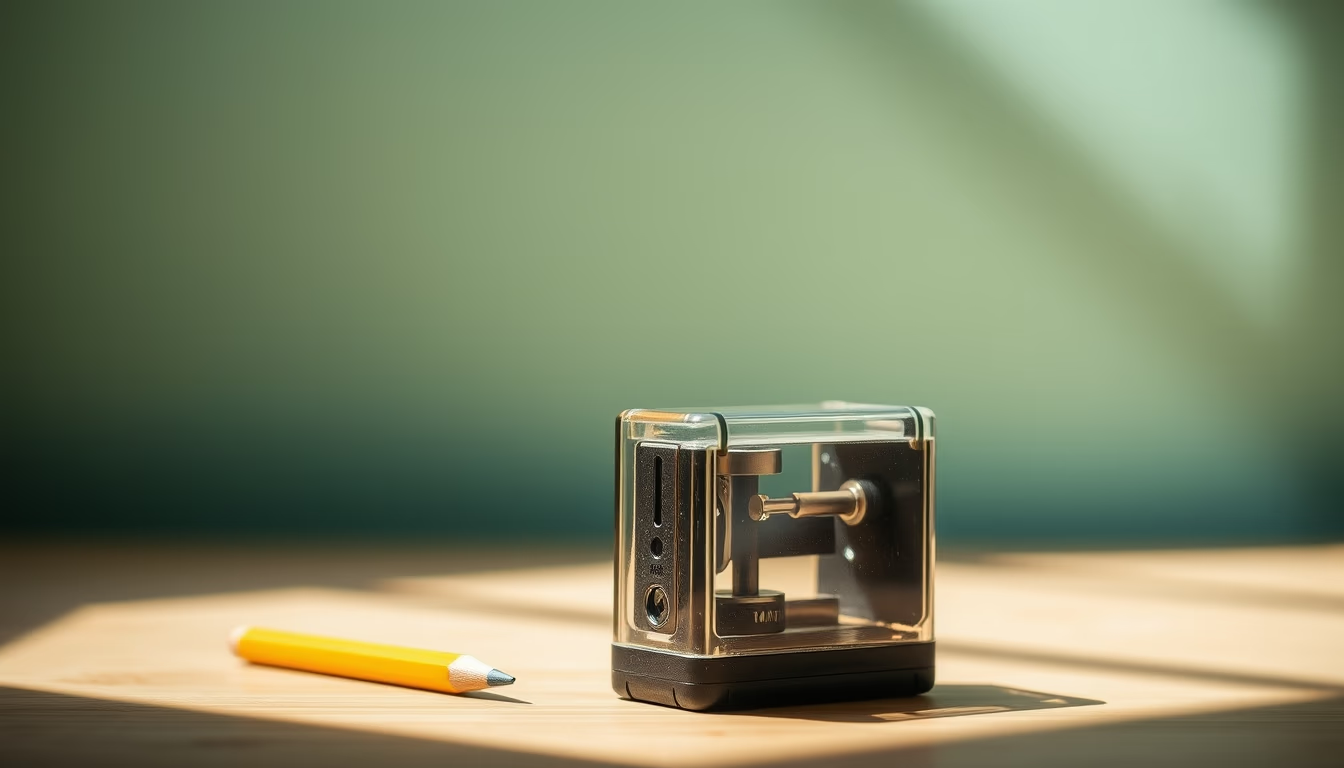
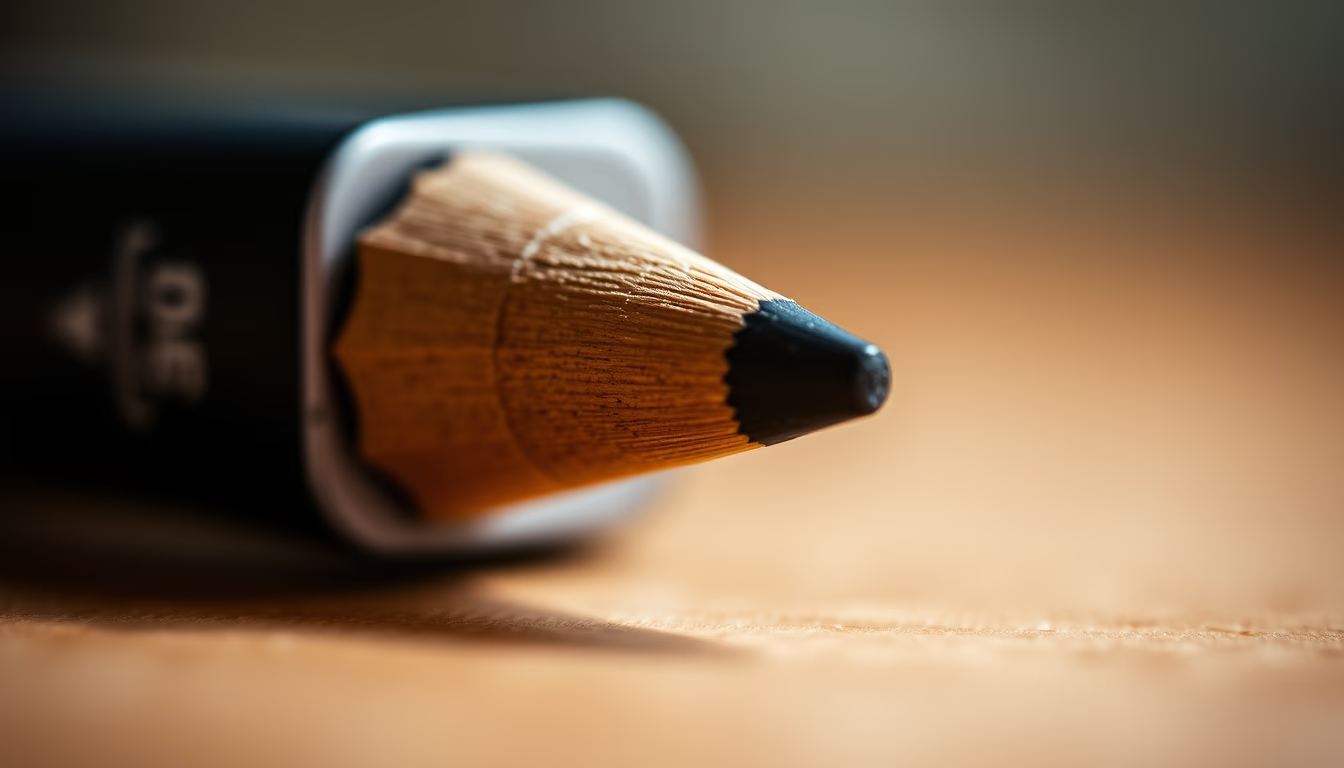
Pencil sharpener vintage
1344×768 · AVIF · CC BY 4.0
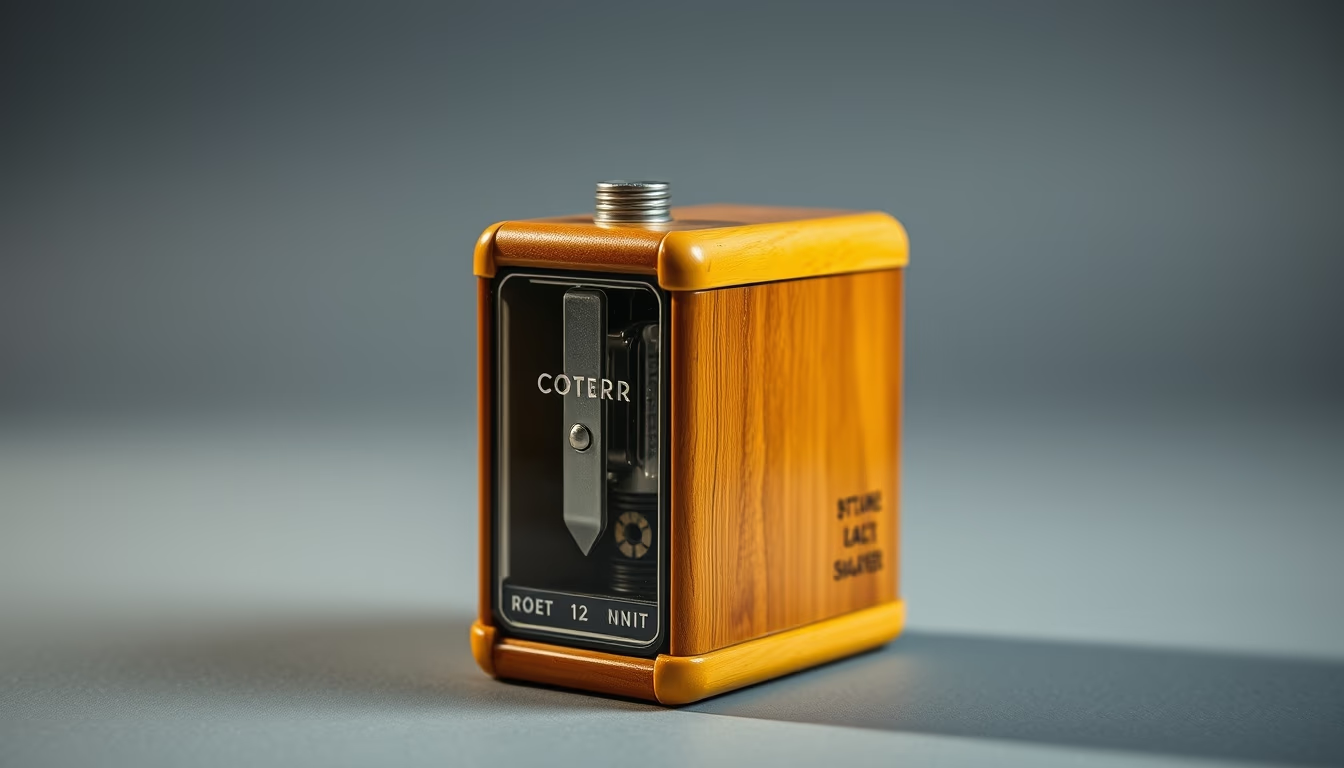
Vintage pencil sharpener, a design object that marked generations before electric models.
About this subject
The manual pencil sharpener, like the vintage model in focus, first appeared in the late 19th century, following the patent by Frenchman Bernard Lassimone in 1828, later improved by A. A. Coates in the United States in 1847. These small metal or plastic devices became indispensable in offices, schools, and homes for nearly a century before electric and disposable sharpeners gained popularity.
The classic desktop version, often with a cast metal body and steel blades, is known for its durability and ability to produce precise points. Models such as the “Boston” or “Eagle” are collectible and represent early 20th century industrial aesthetics. Designs ranged from simple, utilitarian forms to ornate Art Déco motifs, reflecting the stylistic trends of each era.
Culturally, the manual sharpener is associated with pre-digital school routines, where the sound of the blade against wood and the smell of graphite were familiar. Many of these objects still work perfectly, serving as collectibles valued by vintage design enthusiasts. Maintenance involves only periodic blade replacement, ensuring longevity.
Fun fact: before modern sharpeners, people used knives or sandpaper to sharpen pencils. The mechanical sharpener was a significant advancement, reducing wood waste and providing more uniform points, essential for technical drawing and precise writing.
Frequently Asked Questions
How to identify a valuable vintage pencil sharpener?
Famous brands like Boston, Eagle or APSCO, materials like cast metal or Bakelite plastic, and ornate or historically significant designs indicate value. Check if the original blade is present and look for natural patina.
What is the difference between manual and electric sharpeners?
Manual sharpeners rely on rotating the pencil against a fixed blade, while electric ones use a motor to spin the pencil or blade. Manuals are quieter, more durable, and do not need electricity.
Why are vintage sharpeners still used today?
Because of their durability, retro design, and reliability. Artists and writers appreciate the more controlled point, and collectors value them as design history pieces.
Direct URL
https://pub-c7d6a6ea828543ac903a74a341ccb2e1.r2.dev/imagens/pencil-sharpener-vintage-studio-still-life-fresh7.avifHow to credit
Include a visible link back to UtilizAí. Copy one of the snippets below:
<a href="https://xn--utiliza-eza.com/en/midia/imagens/pencil-sharpener-vintage-studio-still-life-fresh7">Pencil sharpener vintage</a> by <a href="https://xn--utiliza-eza.com">UtilizAí</a>, licensed under <a href="https://creativecommons.org/licenses/by/4.0/">CC BY 4.0</a>.
[Pencil sharpener vintage](https://xn--utiliza-eza.com/en/midia/imagens/pencil-sharpener-vintage-studio-still-life-fresh7) by [UtilizAí](https://xn--utiliza-eza.com), CC BY 4.0
License: CC-BY-4.0