Pencil sharpener vintage
1344×768 · AVIF · CC BY 4.0
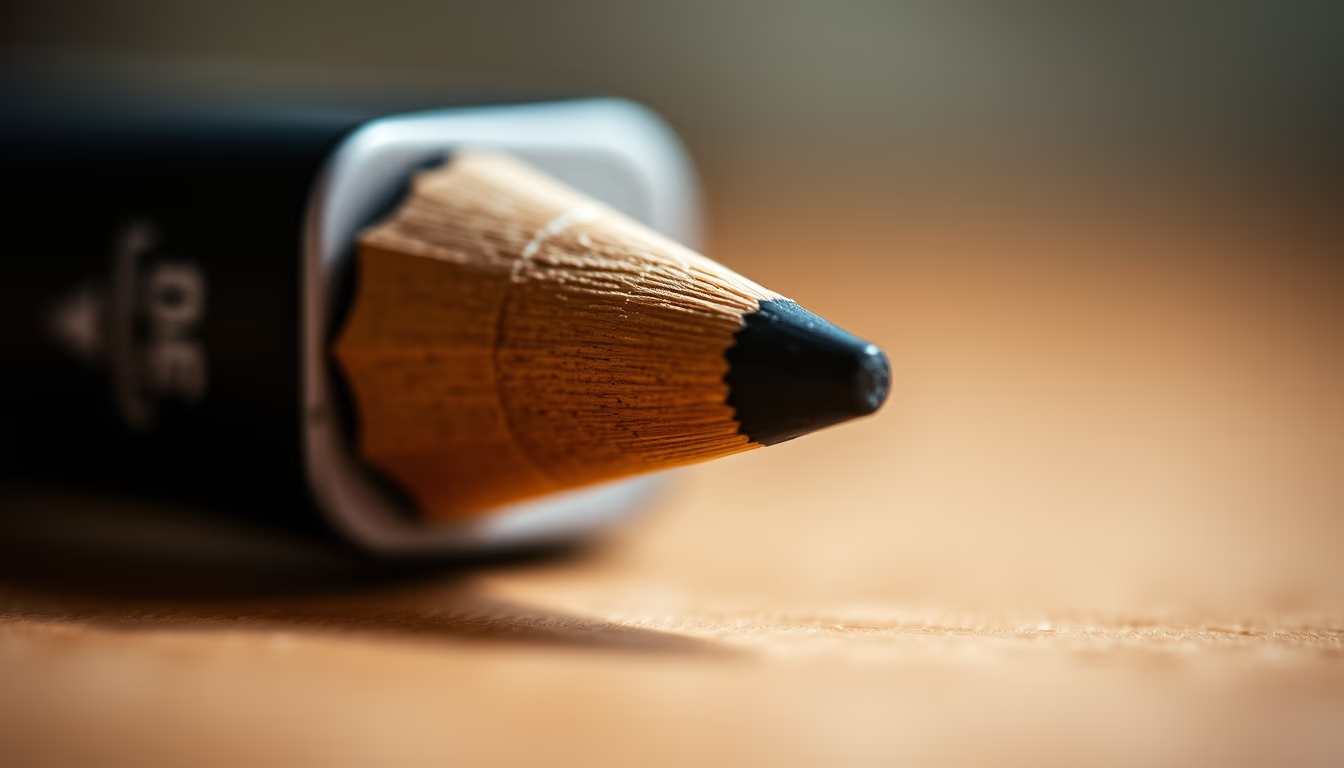
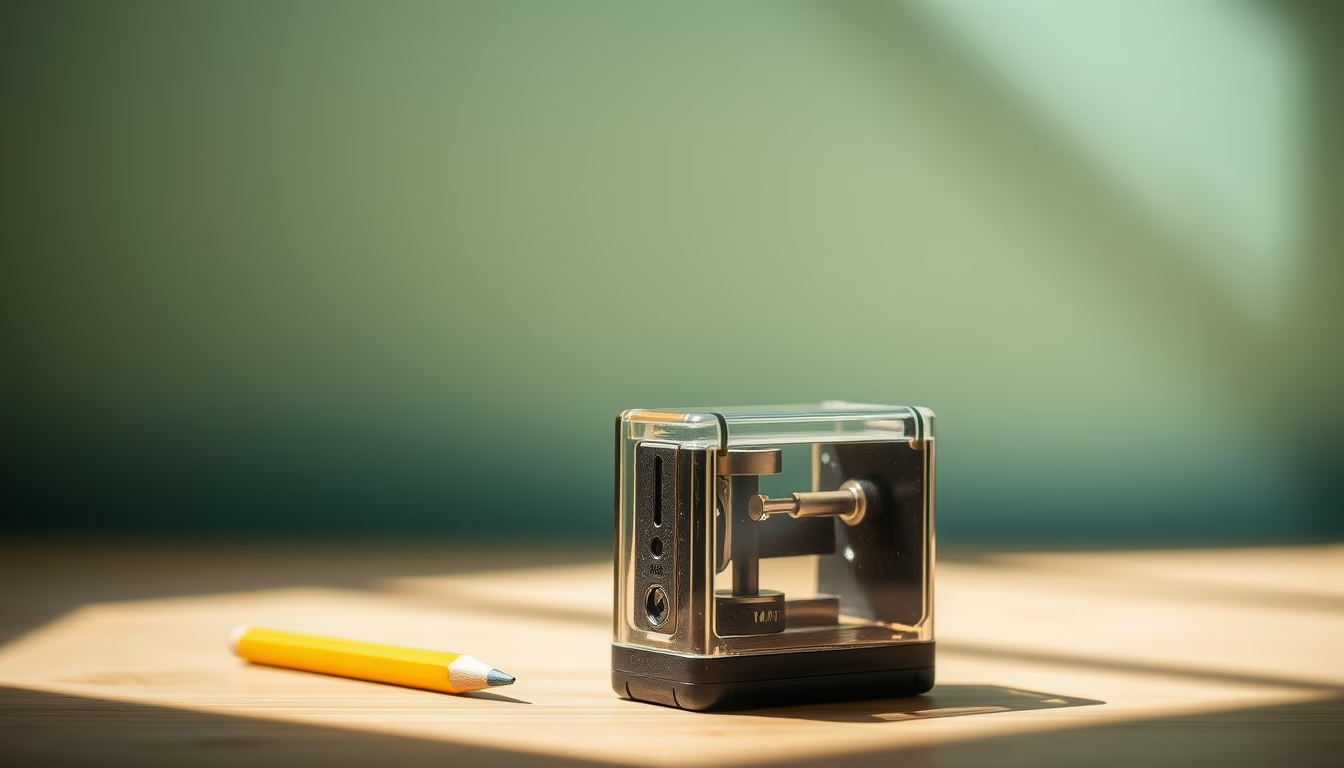
Vintage pencil sharpener with metal body and non-slip base, typical of the 1950s to 1970s.
About this subject
Vintage pencil sharpeners are objects that combine functionality and retro aesthetics. The most common 20th-century models were made of cast metal or Bakelite plastic, with replaceable steel blades. Unlike modern electric sharpeners, manual ones required rotating the pencil by hand, but offered precise control over the tip.
The first mechanical sharpener was patented by Bernard Lassimonne in 1828, but desktop crank models became popular only in the early 1900s. Brands like Boston, Apsco, and Panasonic produced iconic versions now sought by collectors. Vintage sharpeners typically had a gear mechanism that spun the pencil against a fixed blade, resulting in uniform points.
Bakelite, one of the first synthetic plastics, was often used for bases or casings, giving vibrant colors like red, green, and brown. Many models also included a compartment to store shavings. Over time, blade wear or metal oxidation can impair function, but restoration is possible with new blades and lubrication.
Today, vintage pencil sharpeners are valued both for their utility and nostalgic design. They represent an era when objects were built to last, contrasting with modern disposables. Collectors seek rare models, such as those with vintage advertising or unusual shapes.
Frequently Asked Questions
What is the difference between an old manual sharpener and a modern electric one?
The manual sharpener requires the user to rotate the pencil, while the electric uses a motor. Old manual sharpeners offer more control over the tip and are generally more durable, but require physical effort. Electric ones are fast and convenient, but consume energy and may break pencils easily.
How to restore a vintage pencil sharpener?
First, disassemble the sharpener and clean all parts with a dry cloth. Remove rust with fine steel wool or vinegar. Replace blades if dull (old models often use standardized blades). Lubricate gears with mineral oil and reassemble. Test with a soft pencil.
How much is a vintage pencil sharpener worth in good condition?
Value varies by rarity, brand, and condition. Common metal models can cost $5 to $20. Rare pieces, such as advertising sharpeners or innovative designs, can reach $50 or more at specialized auctions.
Direct URL
https://pub-c7d6a6ea828543ac903a74a341ccb2e1.r2.dev/imagens/pencil-sharpener-vintage-macro-closeup-fresh17.avifHow to credit
Include a visible link back to UtilizAí. Copy one of the snippets below:
<a href="https://xn--utiliza-eza.com/en/midia/imagens/pencil-sharpener-vintage-macro-closeup-fresh17">Pencil sharpener vintage</a> by <a href="https://xn--utiliza-eza.com">UtilizAí</a>, licensed under <a href="https://creativecommons.org/licenses/by/4.0/">CC BY 4.0</a>.
[Pencil sharpener vintage](https://xn--utiliza-eza.com/en/midia/imagens/pencil-sharpener-vintage-macro-closeup-fresh17) by [UtilizAí](https://xn--utiliza-eza.com), CC BY 4.0
License: CC-BY-4.0