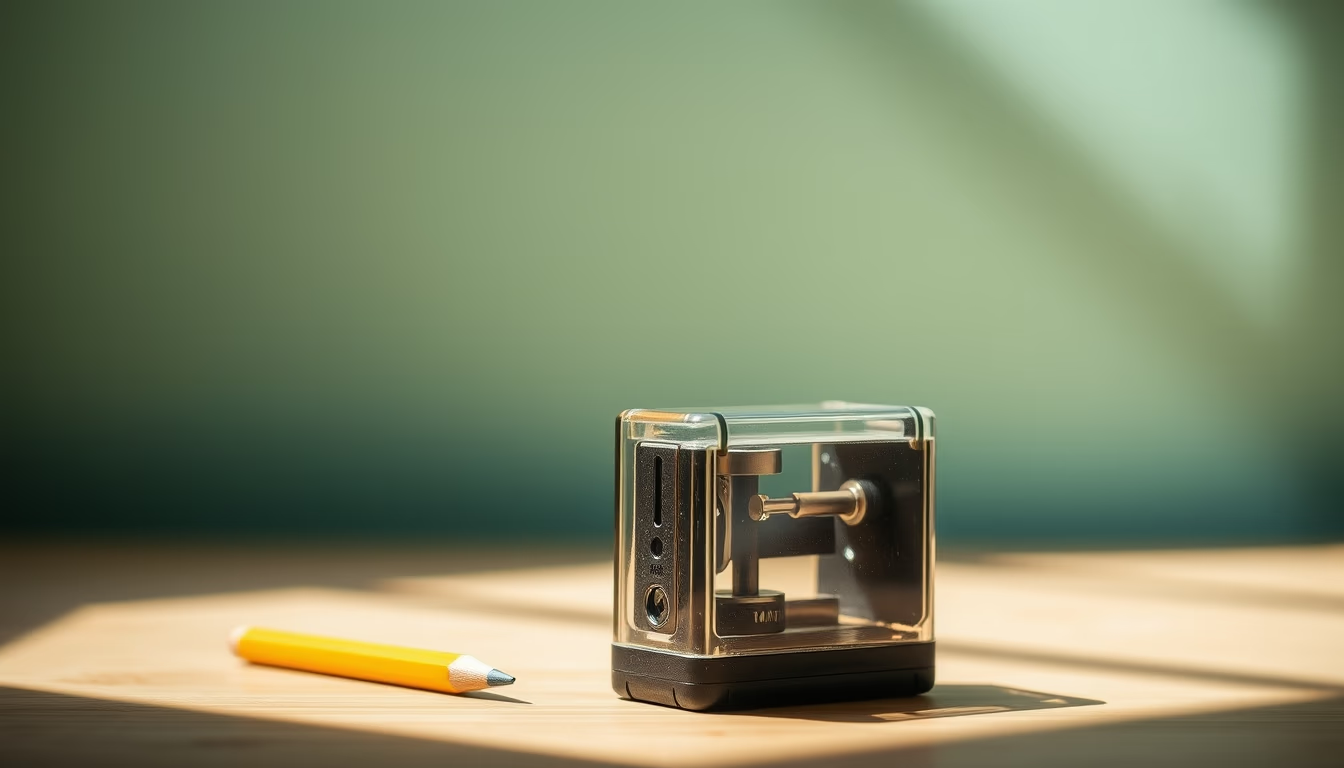
Pencil sharpener vintage
1344×768 · AVIF · CC BY 4.0
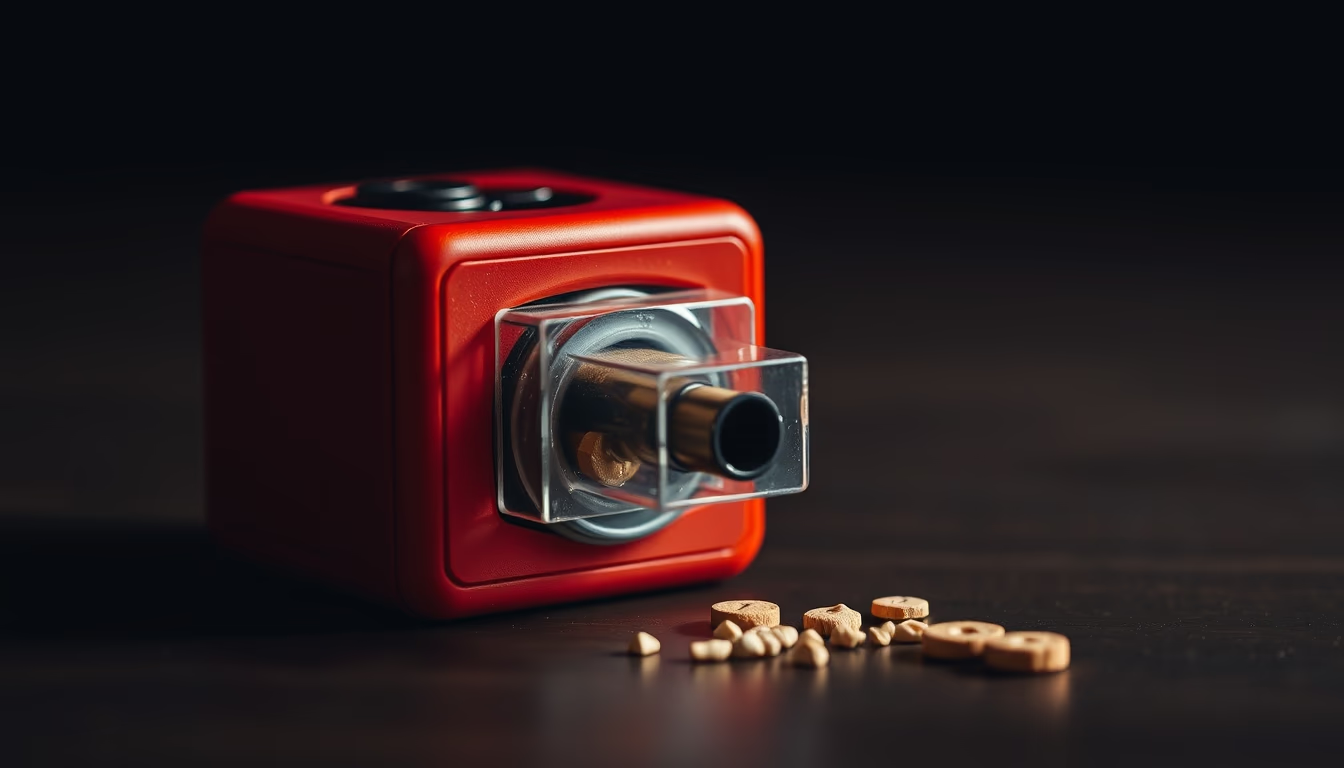
A vintage pencil sharpener showcases the simple, enduring engineering of an everyday object found in homes and offices for decades.
About this subject
The pencil sharpener is an essential tool for maintaining pencil tips, enabling precise writing and drawing. Vintage models, typically metallic and robustly built, were popular from the 19th century through the mid-20th. The first mechanical sharpener was patented by Frenchman Bernard Lassimone in 1828, but the rotating disc design with a fixed angled blade became standard later.
Various types of vintage sharpeners exist: wall-mounted units common in schools and offices, tabletop models with metal bases, and small portable ones. Most have bodies made of cast iron or stamped metal with a replaceable steel blade. Interestingly, electric sharpeners only appeared in the 1940s, yet manual ones remained dominant due to reliability.
Culturally, the vintage sharpener evokes nostalgia for school days and old offices. Collectors seek rare models such as those from Germany's KUM, famous for design, or America's APSCO 'Boston' line, which became icons. Many of these objects last for generations, contrasting with today's disposable plastic sharpeners. The industrial design of vintage sharpeners is often appreciated as functional art, blending aesthetics and utility.
Today, vintage sharpeners are used by handwriting enthusiasts, artists, and minimalists. Their durability and repairability (blade replacement) make them more sustainable than modern versions. Moreover, the tactile experience of manually sharpening a pencil is seen as a calming ritual, a counterpoint to the fast-paced digital world.
Frequently Asked Questions
How does a vintage pencil sharpener work?
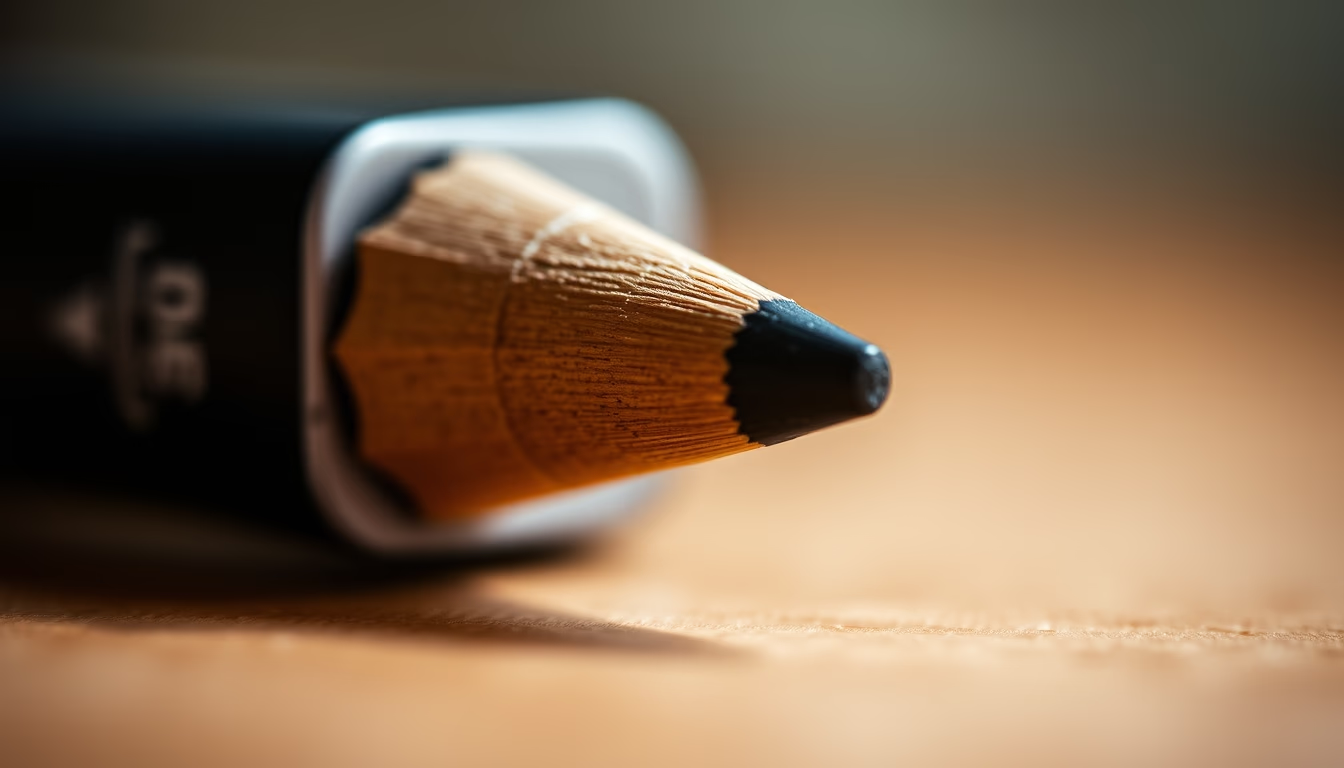
The pencil is inserted into the hole and turned manually. The fixed blade at an angle cuts the wood and graphite, forming the tip. Most have a compartment to collect shavings.
What is the origin of the pencil sharpener?
The first mechanical sharpener was patented by Bernard Lassimone in France in 1828. Portable and desktop versions became common by the late 19th century.
Why collect antique pencil sharpeners?
Vintage sharpeners are pieces of industrial design, with diverse shapes and brands. Many are durable and still functional, representing the history of writing and engineering.
Direct URL
https://pub-c7d6a6ea828543ac903a74a341ccb2e1.r2.dev/imagens/pencil-sharpener-vintage-lo-fi-disposable-camera-fresh6.avifHow to credit
Include a visible link back to UtilizAí. Copy one of the snippets below:
<a href="https://xn--utiliza-eza.com/en/midia/imagens/pencil-sharpener-vintage-lo-fi-disposable-camera-fresh6">Pencil sharpener vintage</a> by <a href="https://xn--utiliza-eza.com">UtilizAí</a>, licensed under <a href="https://creativecommons.org/licenses/by/4.0/">CC BY 4.0</a>.
[Pencil sharpener vintage](https://xn--utiliza-eza.com/en/midia/imagens/pencil-sharpener-vintage-lo-fi-disposable-camera-fresh6) by [UtilizAí](https://xn--utiliza-eza.com), CC BY 4.0
License: CC-BY-4.0