Pencil sharpener vintage
1344×768 · AVIF · CC BY 4.0
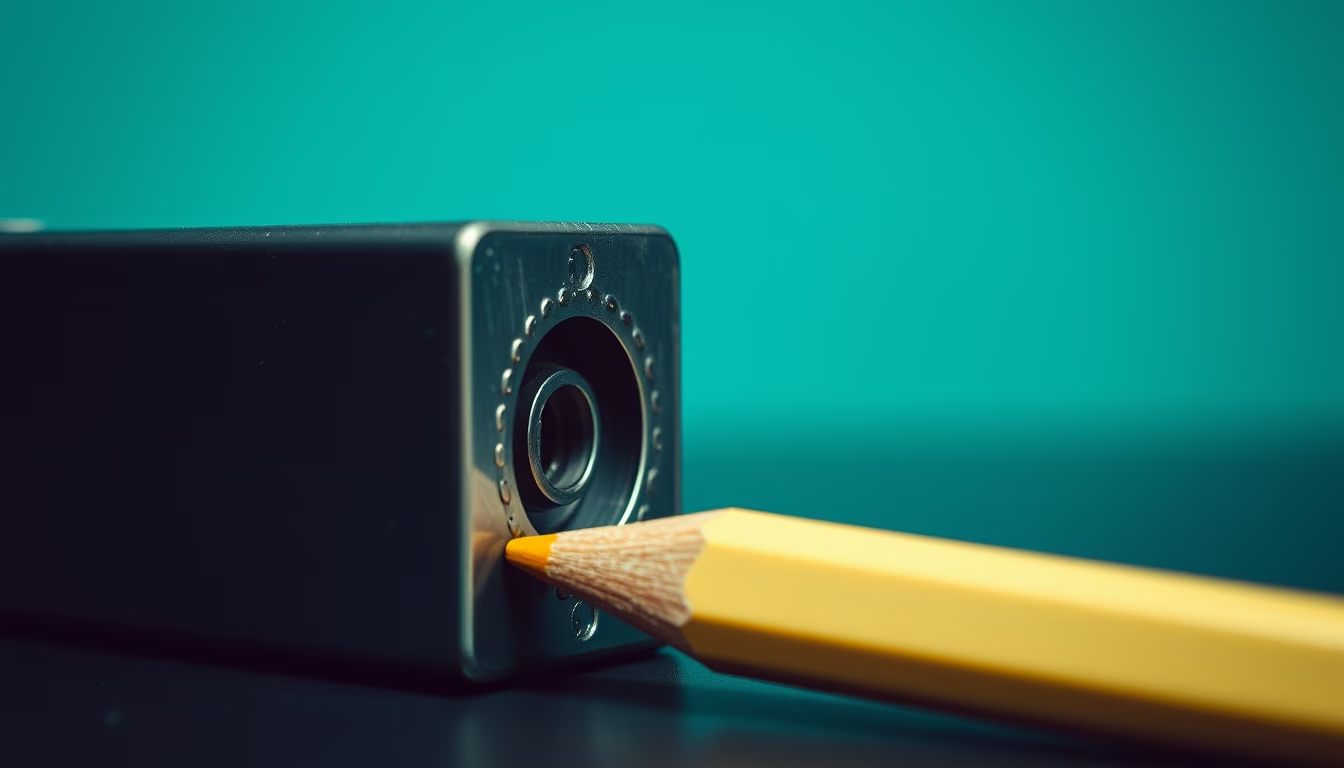
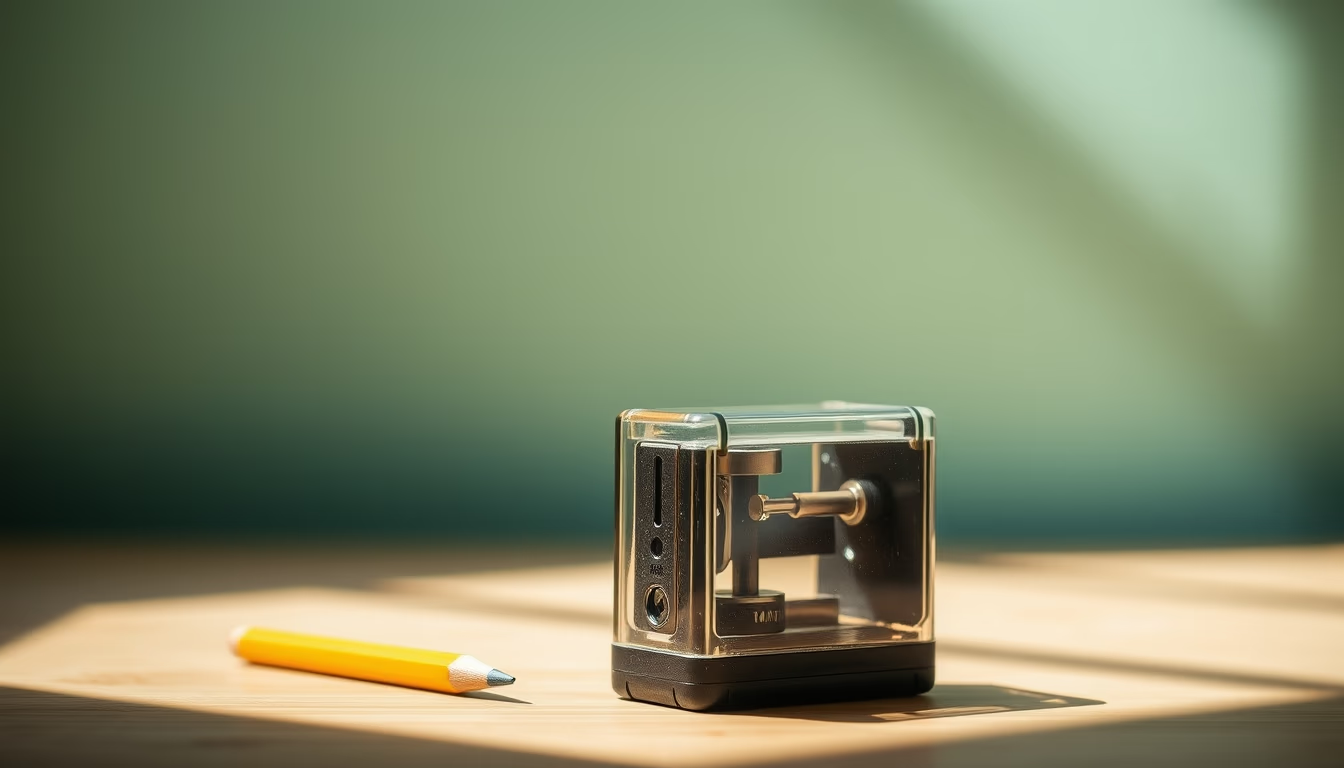
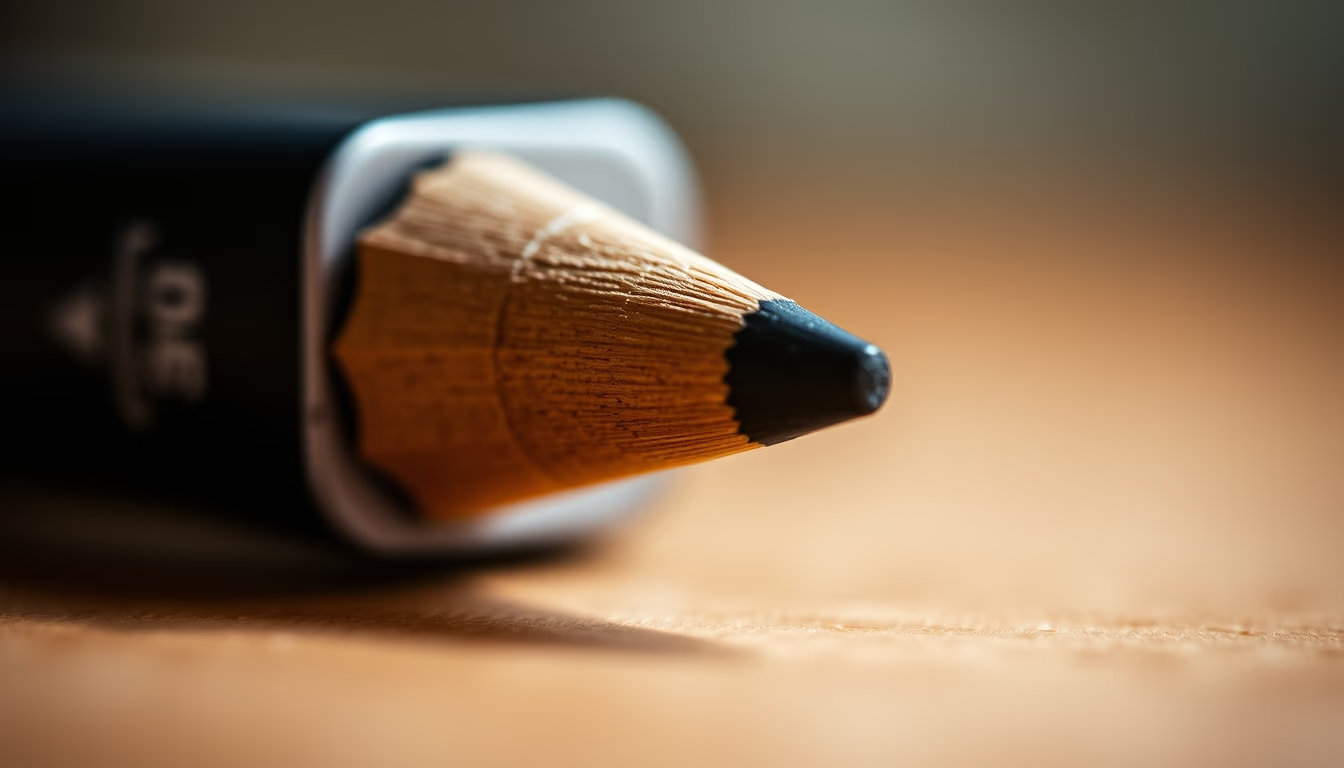
Vintage pencil sharpeners, such as metal manual crank models, are collectible items that evoke the pre-electric era and 20th-century school culture.
About this subject
Vintage pencil sharpeners are more than simple school supplies; they represent a chapter in the history of writing and industrial design. Before the mechanical sharpener, pencils were sharpened with knives or sandpaper, a time-consuming and imprecise process. The first mechanical sharpener was patented by Frenchman Bernard Lassimone in 1828, but it was only in 1847 that American inventor Walter K. Foster improved the model with a conical blade. In the early 20th century, crank sharpeners appeared, mounted on tables or walls, common in schools and offices. These models, usually made of cast iron or steel, had a gear mechanism that rotated the pencil against an internal blade, producing a uniform point. Besides wall-mounted models, there were portable metal sharpeners, such as those by the Apsco brand (founded in 1903 in the United States), which became popular worldwide. From the 1950s onward, electric sharpeners began to replace manual ones, but old examples remain valued by collectors. Many vintage sharpeners feature art deco or industrial designs, with finishes in colored enamel or chrome. In Brazil, old pencil sharpeners can be found in antique fairs and are memories of school culture from the 1960s and 1970s. Maintaining these devices is simple: usually just lubricate the gears and replace the blade when necessary. Today, the vintage manual sharpener is also a retro decoration item, evoking nostalgia and craftsmanship.
Frequently Asked Questions
When was the mechanical pencil sharpener invented?
The first mechanical sharpener was patented by Frenchman Bernard Lassimone in 1828. However, the model with a conical blade, which became standard, was improved by American Walter K. Foster in 1847.
How to identify an original vintage sharpener?
Vintage sharpeners are usually made of metal (cast iron, steel, or aluminum) and have a crank or wall mount. Brands like Apsco, Boston, and Panasonic (old models) are common. Check for signs of natural wear, such as surface rust, and the presence of old screws or rivets.
What is the difference between a manual and an electric sharpener?
The manual sharpener requires physical effort and rotates the pencil against a fixed blade, while the electric uses a motor to rotate the pencil or blade. Vintage manuals can be more durable and do not depend on electricity, but are slower.
Direct URL
https://pub-c7d6a6ea828543ac903a74a341ccb2e1.r2.dev/imagens/pencil-sharpener-vintage-film-grain-authentic-fresh5.avifHow to credit
Include a visible link back to UtilizAí. Copy one of the snippets below:
<a href="https://xn--utiliza-eza.com/en/midia/imagens/pencil-sharpener-vintage-film-grain-authentic-fresh5">Pencil sharpener vintage</a> by <a href="https://xn--utiliza-eza.com">UtilizAí</a>, licensed under <a href="https://creativecommons.org/licenses/by/4.0/">CC BY 4.0</a>.
[Pencil sharpener vintage](https://xn--utiliza-eza.com/en/midia/imagens/pencil-sharpener-vintage-film-grain-authentic-fresh5) by [UtilizAí](https://xn--utiliza-eza.com), CC BY 4.0
License: CC-BY-4.0