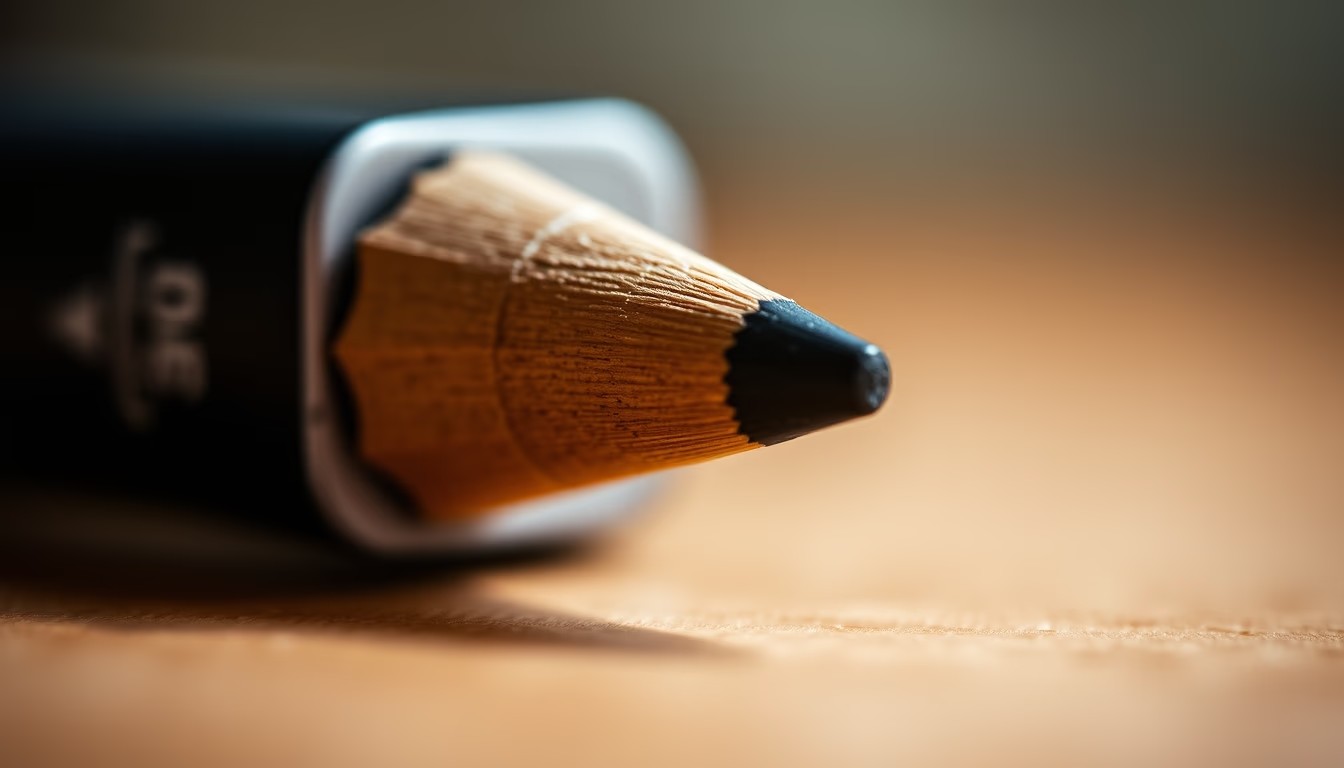
Pencil sharpener vintage
1344×768 · AVIF · CC BY 4.0
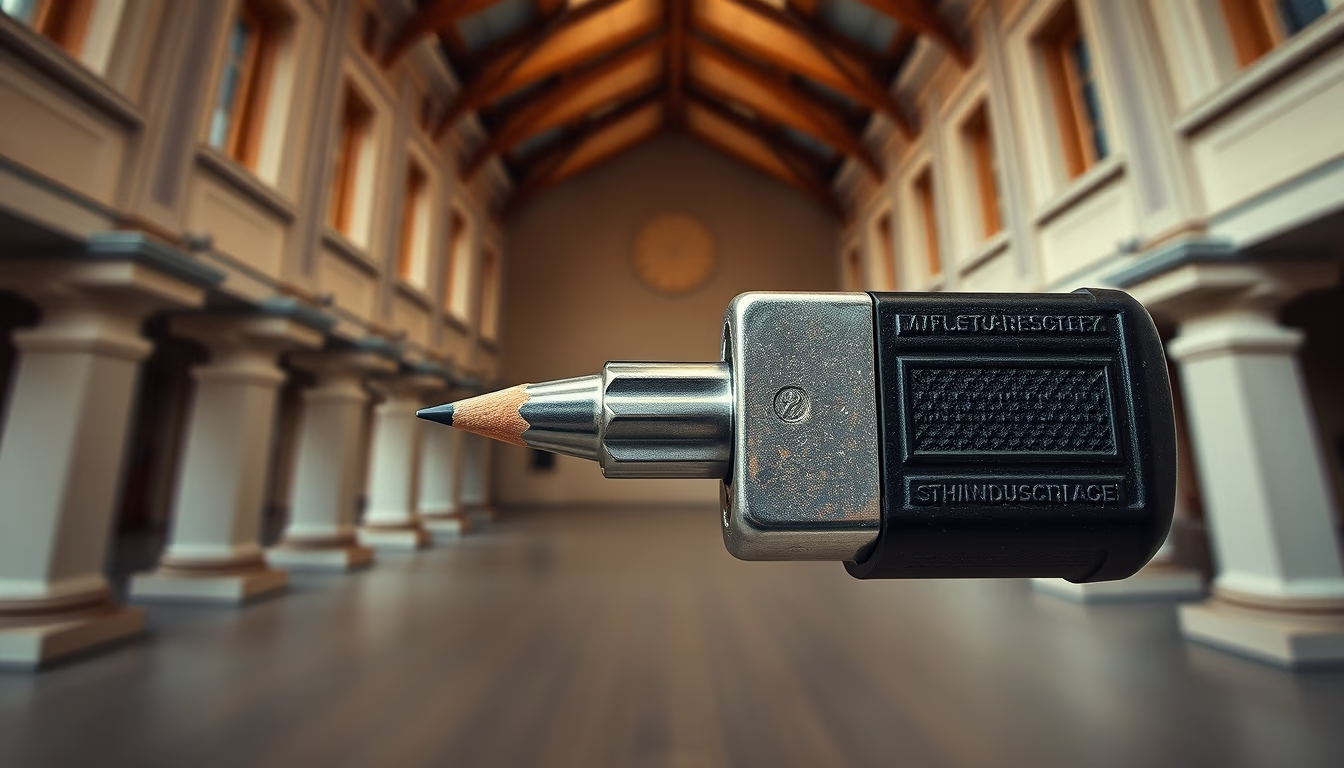
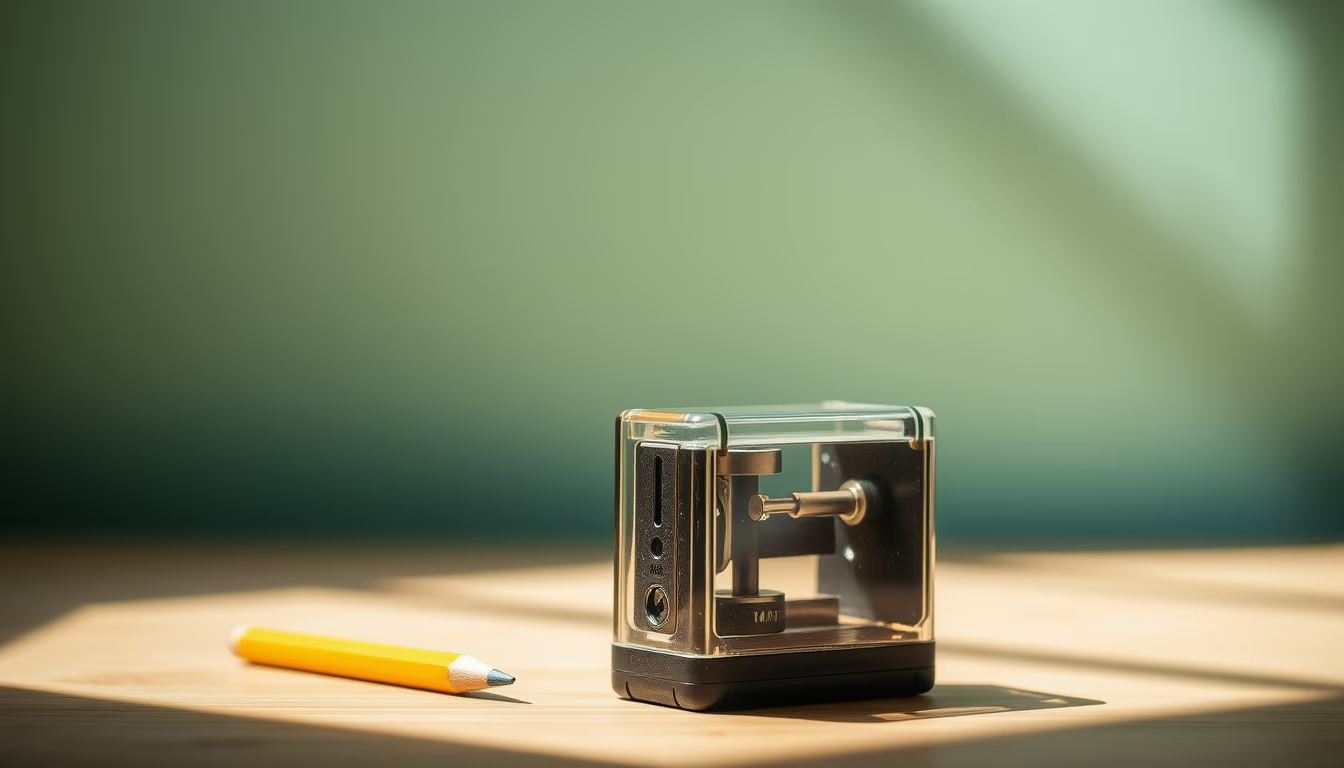
Vintage pencil sharpeners blend retro design with precise engineering, making them collectibles for stationery enthusiasts.
About this subject
The pencil sharpener as we know it was patented in 1847 by Frenchman Bernard Lassimonne, but it was American John Lee Love who created the portable model in 1897, popularizing the object. Vintage sharpeners, often made of cast metal or Bakelite plastic, have become decorative and collectible items, especially those featuring Art Deco designs or unusual shapes like globes, animals, or cars.
Among the most iconic examples are desktop sharpeners from German brand Stabilo and American brand Boston, which dominated the market between the 1920s and 1960s. These sharpeners not only sharpened pencils but also showcased the industrial aesthetics of the era: exposed gears, chrome finishes, and vibrant colors. Many models had two holes, one for graphite pencils and another for colored pencils, and some even included built-in residue containers.
The vintage sharpener also reflects the evolution of writing and drawing habits. Before mechanical pencils, manual sharpeners were essential in offices and schools. Interestingly, the design of some old sharpeners influenced contemporary objects, such as electric sharpeners and those that mimic retro forms. Today, these items are valued for their historical and aesthetic significance, sold at auction sites and antique fairs.
Beyond nostalgic appeal, vintage sharpeners are studied by design historians as examples of how everyday objects can encapsulate cultural and technological trends of an era. The simple functionality contrasts with decorative complexity, resulting in pieces that are both useful and artistic.
Frequently Asked Questions
What is the origin of the vintage pencil sharpener?
The first pencil sharpener was patented in 1847 by Frenchman Bernard Lassimonne. The portable model that popularized it was created by John Lee Love in 1897 in the United States.
What materials were used in vintage sharpeners?
Vintage sharpeners were mainly made of cast metal, such as iron or brass, and Bakelite, one of the earliest synthetic plastics. Some models also used wood or aluminum.
Why are vintage pencil sharpeners collectible?
They are valued for their retro design, exposed mechanical engineering, and representation of historical periods. Brands like Stabilo and Boston produced iconic models that are now decorative items and museum pieces.
Direct URL
https://pub-c7d6a6ea828543ac903a74a341ccb2e1.r2.dev/imagens/pencil-sharpener-vintage-architectural-photography-fresh4.avifHow to credit
Include a visible link back to UtilizAí. Copy one of the snippets below:
<a href="https://xn--utiliza-eza.com/en/midia/imagens/pencil-sharpener-vintage-architectural-photography-fresh4">Pencil sharpener vintage</a> by <a href="https://xn--utiliza-eza.com">UtilizAí</a>, licensed under <a href="https://creativecommons.org/licenses/by/4.0/">CC BY 4.0</a>.
[Pencil sharpener vintage](https://xn--utiliza-eza.com/en/midia/imagens/pencil-sharpener-vintage-architectural-photography-fresh4) by [UtilizAí](https://xn--utiliza-eza.com), CC BY 4.0
License: CC-BY-4.0