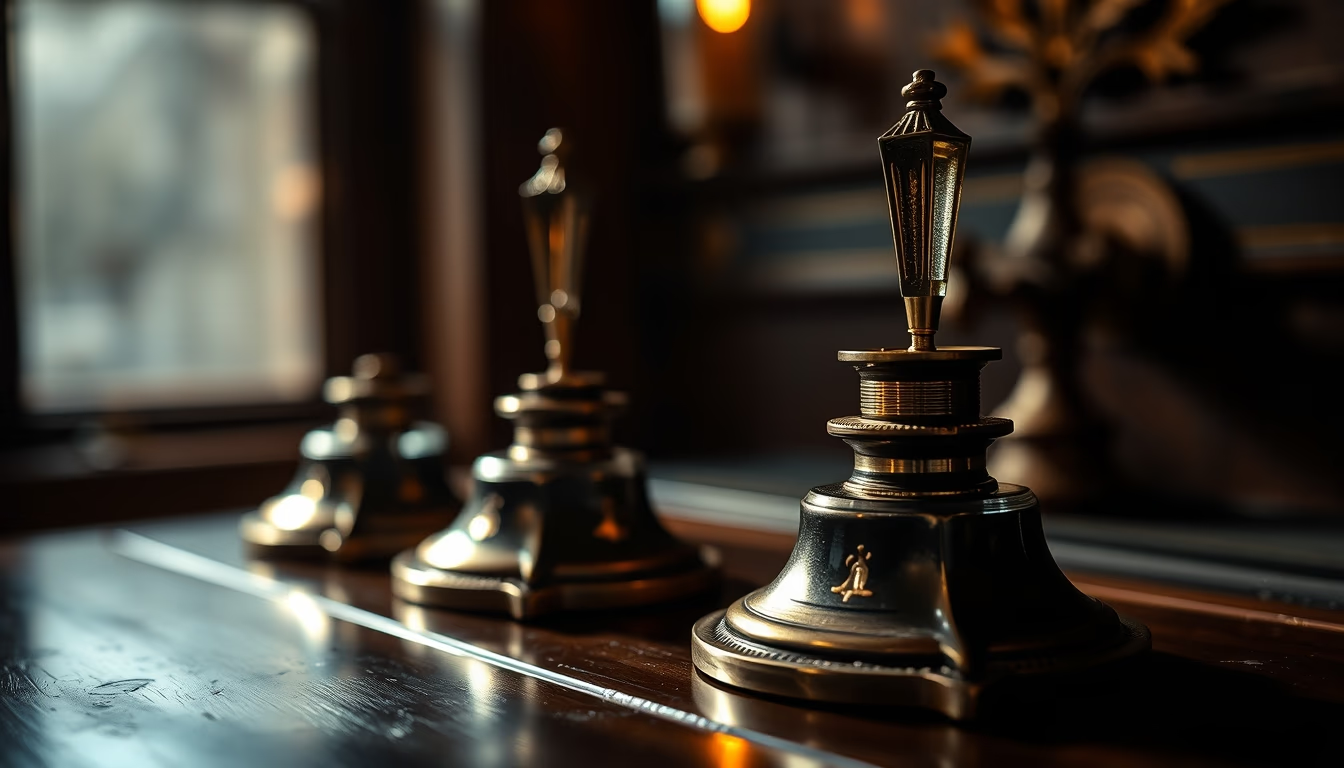
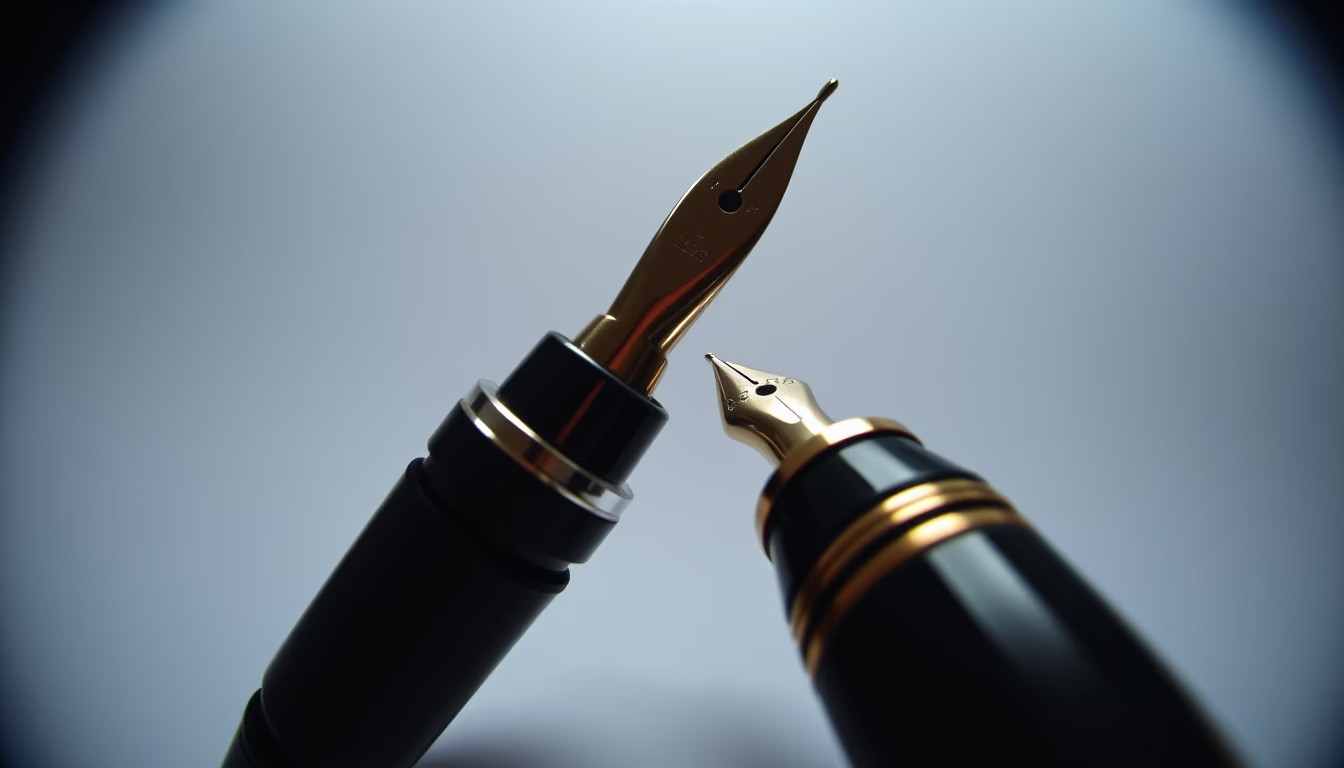
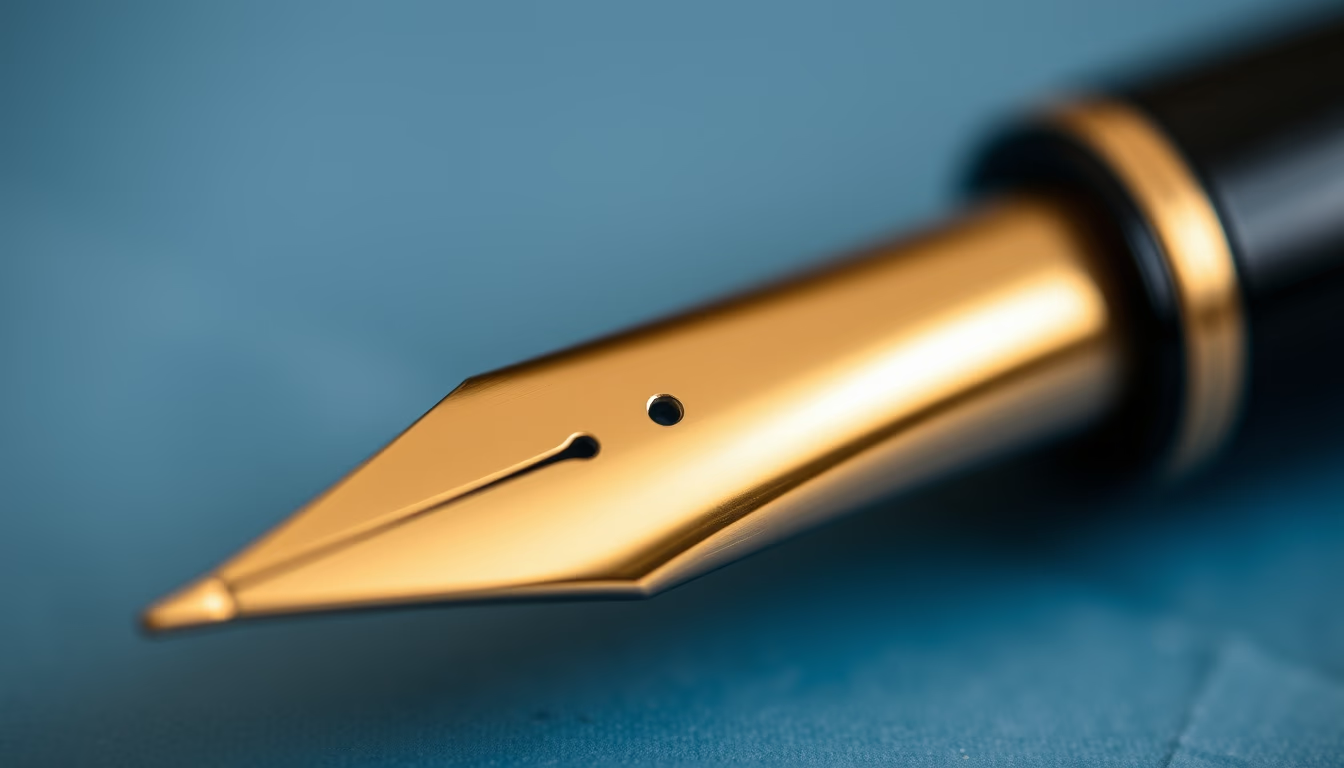
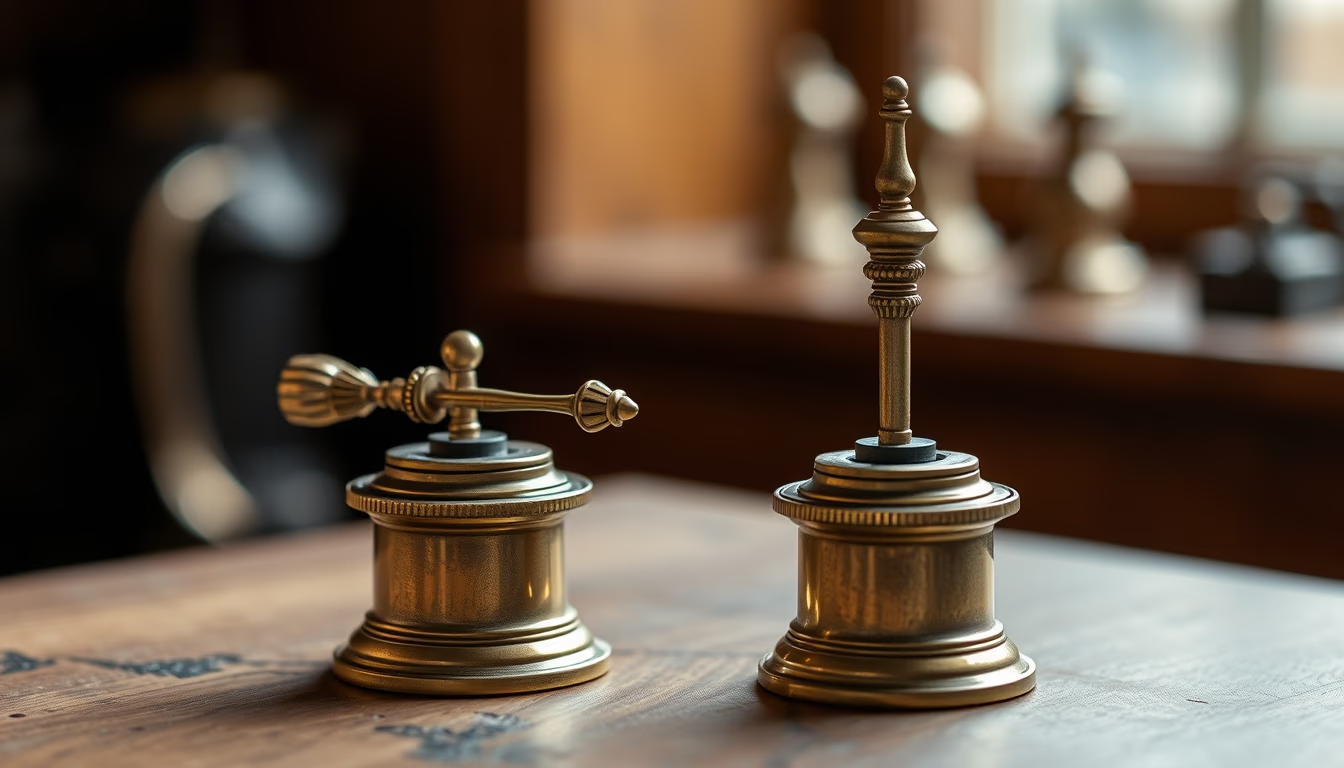
Pencil collection vintage
1344×768 · AVIF · CC BY 4.0

Discover the history and value of vintage pencil collections, items that recall golden eras of design and writing.
About this subject
The vintage pencil collection goes beyond the simple act of writing, representing a dive into the history of technology and design. The modern pencil traces its origins to the 16th century, when large graphite deposits were discovered in Borrowdale, England. Initially, graphite sticks were wrapped in string or sheepskin, but in the 18th century wood became the casing thanks to the work of Frenchman Nicolas-Jacques Conté. Since then, brands like Faber-Castell, Staedtler, and Koh-I-Noor have become references, producing pencils that are now collector's items.
The most valuable vintage pencils are those with antique advertising, limited editions, or made from rare materials like cedar and silver. For example, promotional pencils from the 1920s and 1930s, especially those with Art Deco illustrations, can fetch high prices at auctions. Additionally, the evolution of mechanical pencils and models with replaceable leads showcase the technical ingenuity of the era. Many architects and designers prefer vintage pencils for sketching, valuing the texture and precision these instruments offer.
The practice of collecting also involves preserving graphic and educational history. In Brazil, the pencil industry grew with Faber-Castell's factory in São Carlos, founded in 1930, which produced classic models like the Lápis 9000. Items such as the triangular pencil or the 1950s 'love pencil' (with hearts) are targets for enthusiasts. Antique fairs and specialized websites allow finding these treasures, but caution against counterfeits is needed.
The connection with architectural photography lies in the use of pencils for blueprints and sketches. Many architectural photographers document these tools in compositions that highlight the beauty of the objects, merging aesthetics and functionality. The collector not only stores objects but also a piece of cultural memory that shaped the world's visual communication.
Frequently Asked Questions
What is the origin of the modern pencil?
The modern pencil originated in the 16th century with the discovery of graphite in England. Frenchman Nicolas-Jacques Conté perfected the method by mixing graphite with clay in the 18th century, creating the lead we know today.
How to identify a valuable vintage pencil?
Look for antique advertising, well-known brands like Faber-Castell or Staedtler, materials such as natural cedar, and details like dating or limited editions. Pencils from the 1920s-1930s with Art Deco designs are especially sought after.
Why do architects collect vintage pencils?
Architects value the quality of the leads and the texture of the wood, which provide precise and unique strokes. Additionally, many vintage pencils have ergonomic or historical designs that complement technical drawing practice.
Direct URL
https://pub-c7d6a6ea828543ac903a74a341ccb2e1.r2.dev/imagens/pencil-collection-vintage-architectural-photography-fresh8.avifHow to credit
Include a visible link back to UtilizAí. Copy one of the snippets below:
<a href="https://xn--utiliza-eza.com/en/midia/imagens/pencil-collection-vintage-architectural-photography-fresh8">Pencil collection vintage</a> by <a href="https://xn--utiliza-eza.com">UtilizAí</a>, licensed under <a href="https://creativecommons.org/licenses/by/4.0/">CC BY 4.0</a>.
[Pencil collection vintage](https://xn--utiliza-eza.com/en/midia/imagens/pencil-collection-vintage-architectural-photography-fresh8) by [UtilizAí](https://xn--utiliza-eza.com), CC BY 4.0
License: CC-BY-4.0