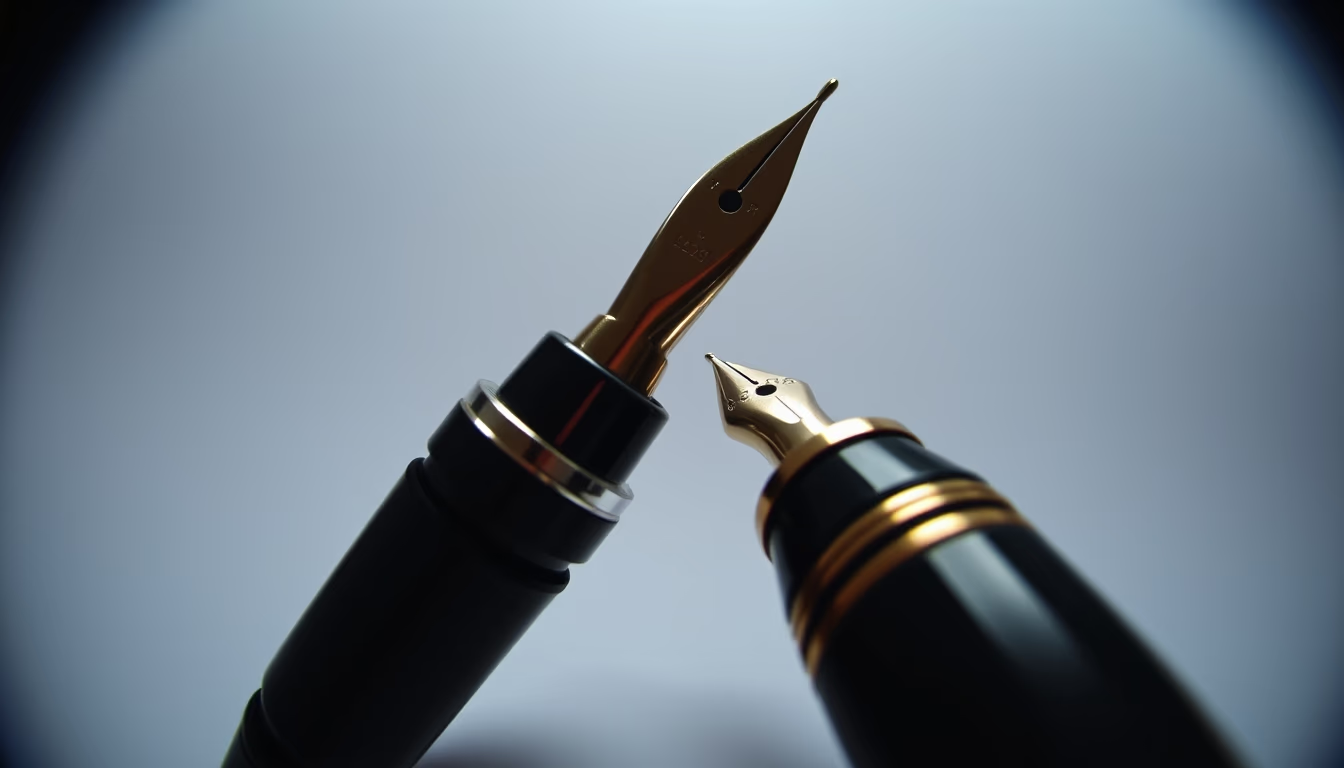
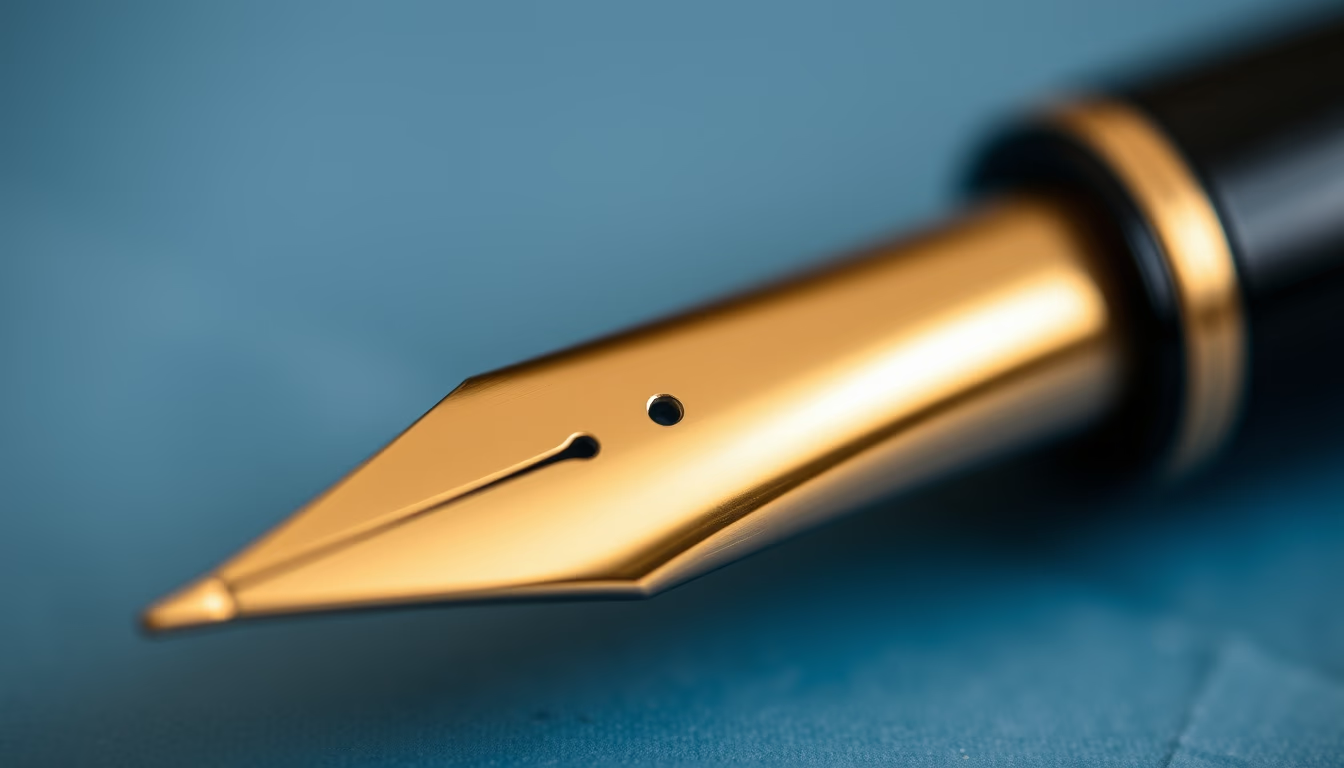
Pen nib gold inscribed
1344×768 · AVIF · CC BY 4.0
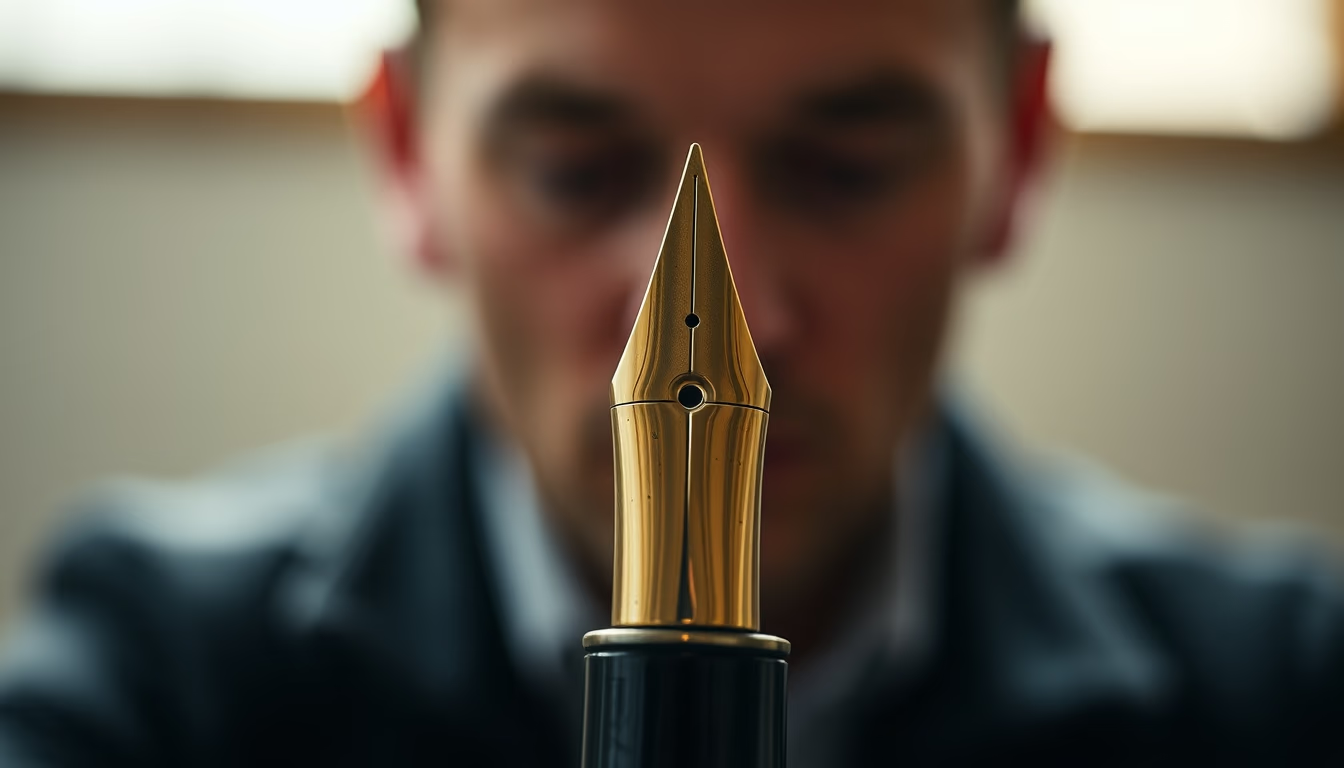
Gold pen nib with inscriptions, essential for calligraphy and luxury writing, reveals tradition and artisanal precision.
About this subject
The inscribed gold pen nib is a key component of high-end fountain pens, representing a fusion of functionality and artistry. Made from 14 or 18 karat gold, often alloyed with metals like silver, copper, or palladium to enhance durability, this nib offers a unique writing experience. The inscriptions on its surface typically indicate the gold purity (such as 14K or 585) and the manufacturer, marks that authenticate the piece and reflect a jewelry-making heritage applied to writing.
Manufacturing a gold nib involves meticulous processes: the alloy is rolled into thin sheets, cut into shape, then stamped to create the curvature and ink channel. Iridium points are welded on the tip for wear resistance. The inscriptions are laser-engraved or chemically etched, ensuring precision and legibility. This artisanal craftsmanship explains why gold nibs are more expensive and valued by collectors and writing enthusiasts.
Historically, gold nibs were introduced in the 19th century to replace steel nibs, offering greater flexibility and a smooth writing feel. Brands like Parker, Montblanc, and Waterman built their prestige with gold nibs that adapt to the writer's pressure, producing line variation. Even today, gold remains the preference among calligraphers and professionals seeking a more organic and responsive touch.
Beyond aesthetic and functional value, gold nibs require special care. Using pH-neutral inks and periodic cleaning prevent clogging and corrosion. Storing the pen horizontally helps preserve ink in the feed. For collectors, preserving the inscriptions and original polish is crucial to maintain the piece's historical and monetary value.
Frequently Asked Questions
What is the difference between a gold nib and a steel nib?
A gold nib is more flexible and offers a smoother writing feel, with better corrosion resistance. Steel nibs are stiffer, more durable, and cheaper, but lack the same line variation.
Why are gold nibs more expensive?
Gold is a precious metal, and the artisanal manufacturing involves rolling, stamping, and iridium tipping. Personalized engravings and final polishing also add to the cost.
How should I clean and maintain a gold nib?
Rinse the nib with lukewarm water without soap, dry with a soft cloth, and avoid abrasive cleaners. Use fountain pen inks and store the pen horizontally or nib-up.
Direct URL
https://pub-c7d6a6ea828543ac903a74a341ccb2e1.r2.dev/imagens/pen-nib-gold-inscribed-documentary-photography-fresh0.avifHow to credit
Include a visible link back to UtilizAí. Copy one of the snippets below:
<a href="https://xn--utiliza-eza.com/en/midia/imagens/pen-nib-gold-inscribed-documentary-photography-fresh0">Pen nib gold inscribed</a> by <a href="https://xn--utiliza-eza.com">UtilizAí</a>, licensed under <a href="https://creativecommons.org/licenses/by/4.0/">CC BY 4.0</a>.
[Pen nib gold inscribed](https://xn--utiliza-eza.com/en/midia/imagens/pen-nib-gold-inscribed-documentary-photography-fresh0) by [UtilizAí](https://xn--utiliza-eza.com), CC BY 4.0
License: CC-BY-4.0