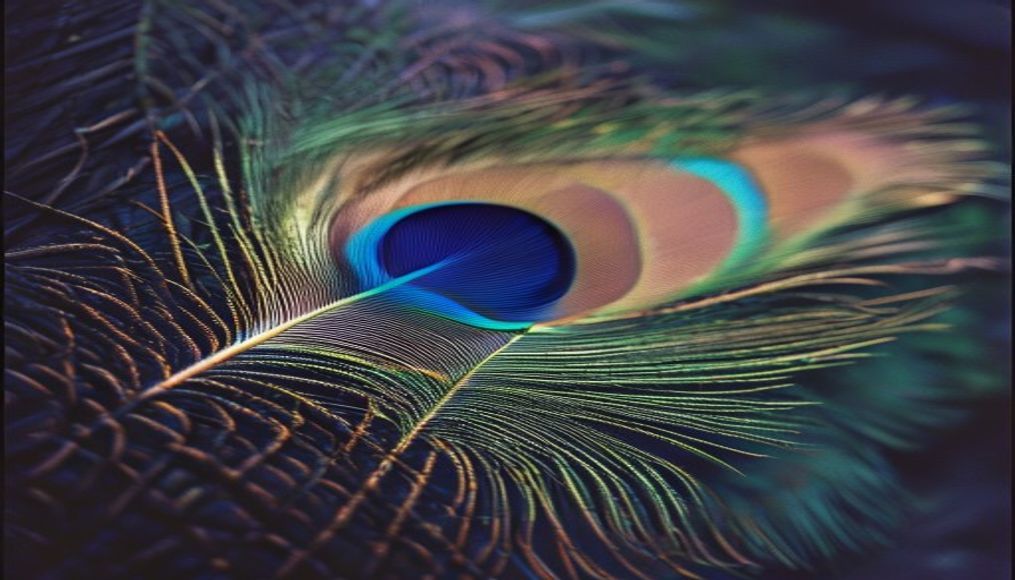
Peacock feather display
1344×768 · AVIF · CC BY 4.0
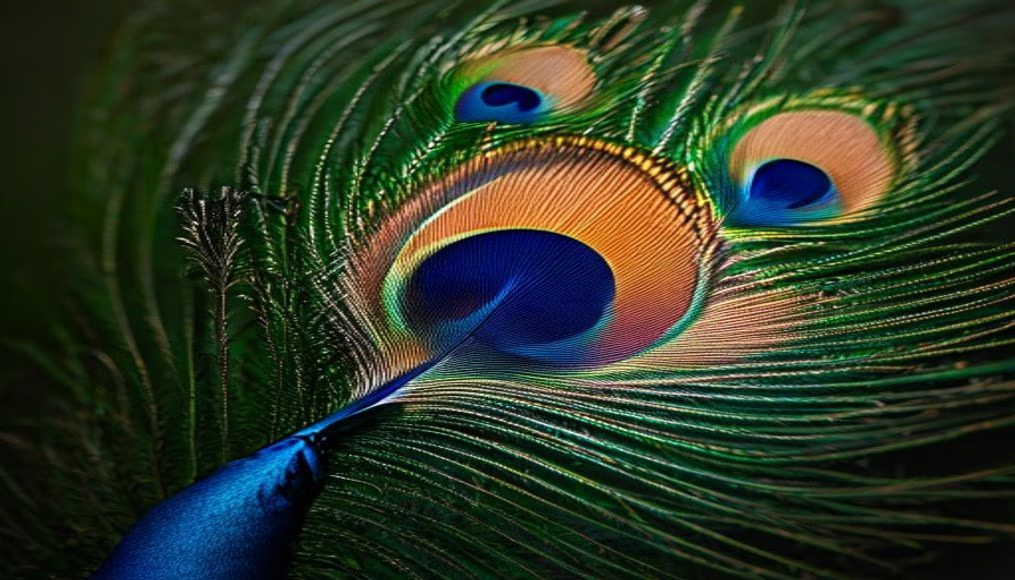
The Indian peacock's train, with its iridescent feathers and vibrant eyespots, is one of the most iconic displays in the animal kingdom, used for courtship and defense.
About this subject
The Indian peafowl (Pavo cristatus), India's national bird, is renowned for the male's dazzling train. Actually, the long feathers are not the tail proper but the upper tail coverts, which can reach up to 2 meters in length. During the mating season, coinciding with the monsoon (June to September), the male erects and vibrates these feathers into a spectacular fan, displaying dozens of blue and green eyespots. Studies show that females prefer males with more eyespots and more symmetrical feathers, indicating good health and genetics.
The iridescent colors come not from pigments but from crystalline microstructures in the feathers that reflect light at different wavelengths, creating metallic hues that change with the viewing angle. Beyond courtship, the display also serves to intimidate predators such as snakes and big cats, as the large fan with false eyes can startle them. When not displaying, the peacock drags its train on the ground, requiring significant energy to keep the feathers clean and in good condition.
In Indian culture, the peacock symbolizes beauty, immortality, and love. The goddess Saraswati, patron of arts, is often depicted riding a peacock. In Greek mythology, the eyes on the tail are the eyes of the giant Argus, placed by Hera on the bird. Today, peafowl are kept in parks and gardens worldwide, adapting to various climates but requiring ample space to exhibit their natural behavior.
Frequently Asked Questions
Why does the peacock fan its tail?
The peacock fans its tail mainly to attract females during mating season. The display also helps intimidate predators, as the large fan with eyespots mimics the large eyes of an animal.
Are peacock feathers actually colored by pigments?
No. The iridescent colors result from crystalline microstructures in the feathers that refract light, creating metallic hues. This phenomenon is called structural coloration.
What is the difference between a peacock and a peahen?
The peacock is the male, with a long, colorful train, while the peahen is the female, with brownish-gray plumage and a short tail for camouflage during incubation.
Direct URL
https://pub-c7d6a6ea828543ac903a74a341ccb2e1.r2.dev/imagens/peacock-feather-display-national-geographic-style-p0.avifHow to credit
Include a visible link back to UtilizAí. Copy one of the snippets below:
<a href="https://xn--utiliza-eza.com/en/midia/imagens/peacock-feather-display-national-geographic-style-p0">Peacock feather display</a> by <a href="https://xn--utiliza-eza.com">UtilizAí</a>, licensed under <a href="https://creativecommons.org/licenses/by/4.0/">CC BY 4.0</a>.
[Peacock feather display](https://xn--utiliza-eza.com/en/midia/imagens/peacock-feather-display-national-geographic-style-p0) by [UtilizAí](https://xn--utiliza-eza.com), CC BY 4.0
License: CC-BY-4.0