Paracord bracelet woven
1344×768 · AVIF · CC BY 4.0
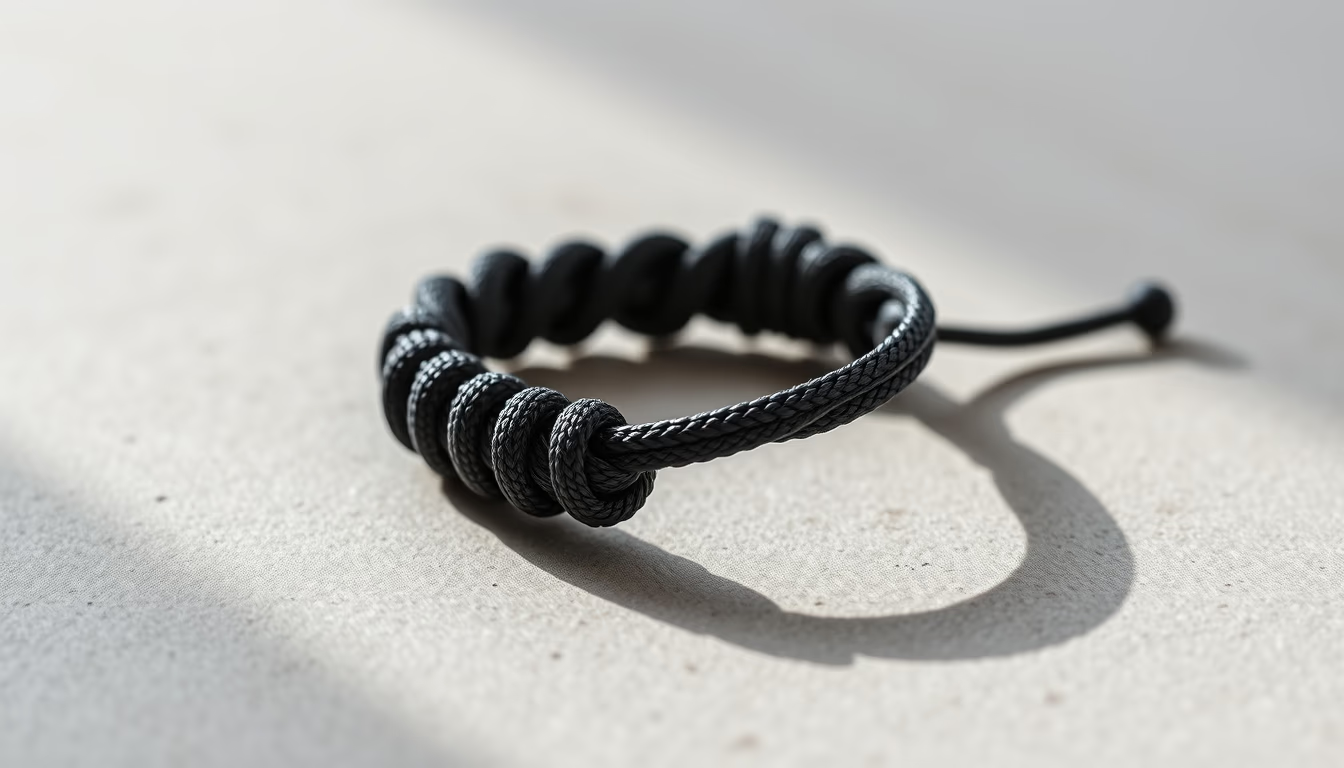
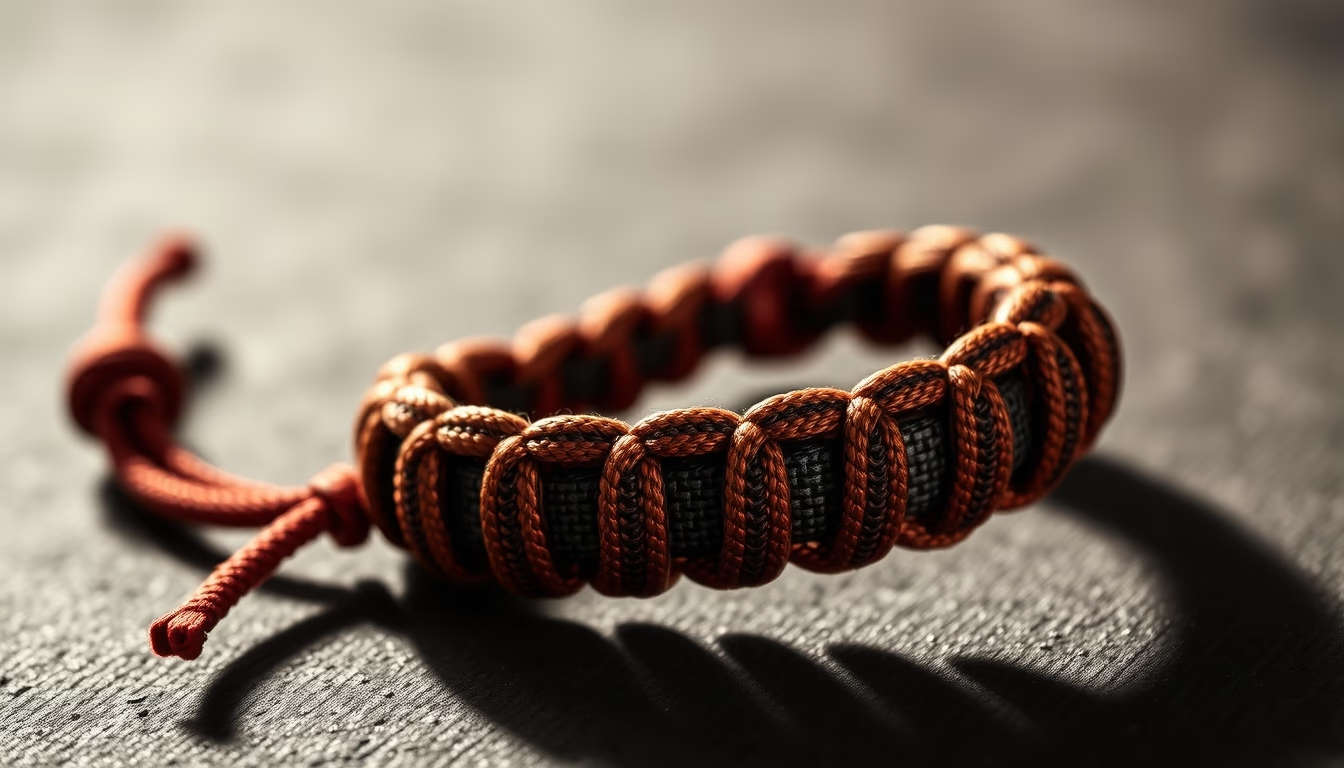
The woven paracord bracelet is a versatile survival accessory, originating from military parachute suspension lines, which can be unraveled in emergency situations.
About this subject
The paracord bracelet, widely known as a survival bracelet, traces its origins to the parachute suspension lines used during World War II. Paracord, also referred to as 550 cord, was originally made with a nylon sheath and multiple inner strands, capable of holding up to 550 pounds of static weight. After the war, the material was adopted by outdoor enthusiasts and military personnel, who recognized its potential for lashing, emergency repairs, and tool improvisation.
Today, the woven bracelet is a staple in the survival kits of adventurers, scouts, and bushcraft practitioners. The most common weave is the cobra style, which uses about two to three meters of cord to form an adjustable band. In an emergency, the bracelet can be unraveled within minutes, providing strong line for building shelters, making tourniquets, improvising fishing lines, or even repairing gear. Paracord's versatility extends beyond tactical use: it is also employed in crafts, ID bracelets, and fashion accessories, merging functionality with style.
The survivalist culture values preparedness for unexpected situations, and the paracord bracelet symbolizes this readiness. Its popularity has grown among hikers and campers globally, who appreciate its durability and customization options such as integrated whistles, fire starters, or hidden compartments. Each bracelet carries several feet of cord that, if properly maintained (avoiding excessive sun exposure and moisture), remains functional for years. Additionally, the weaving process itself is a meditative practice and a hands-on skill that connects people to the DIY ethos.
A noteworthy fact: military-grade paracord contains 7 to 9 inner strands, while commercial versions may have fewer. To ensure the stated breaking strength, it is crucial to choose genuine nylon products and avoid low-quality synthetic materials that degrade easily.
Frequently Asked Questions
How do I properly unravel a paracord bracelet?
Locate the end of the weave (usually an adjustable knot) and gently pull the loose strand. The bracelet will fully unravel in about 2 minutes, releasing several feet of usable cord.
What is the difference between type III and type IV paracord?
Type III (550 cord) has a breaking strength of 550 pounds and 7-9 inner strands, being the most common. Type IV supports up to 750 pounds and has 11 strands, ideal for heavier tasks.
Can paracord be used in wet environments?
Yes, nylon is water-resistant and mildew-resistant. However, the cord loses about 15% of its strength when wet and may shrink slightly. It is advisable to dry it thoroughly after prolonged exposure.
Direct URL
https://pub-c7d6a6ea828543ac903a74a341ccb2e1.r2.dev/imagens/paracord-bracelet-woven-minimalist-composition-fresh16.avifHow to credit
Include a visible link back to UtilizAí. Copy one of the snippets below:
<a href="https://xn--utiliza-eza.com/en/midia/imagens/paracord-bracelet-woven-minimalist-composition-fresh16">Paracord bracelet woven</a> by <a href="https://xn--utiliza-eza.com">UtilizAí</a>, licensed under <a href="https://creativecommons.org/licenses/by/4.0/">CC BY 4.0</a>.
[Paracord bracelet woven](https://xn--utiliza-eza.com/en/midia/imagens/paracord-bracelet-woven-minimalist-composition-fresh16) by [UtilizAí](https://xn--utiliza-eza.com), CC BY 4.0
License: CC-BY-4.0