Paper sculpture intricate
1344×768 · AVIF · CC BY 4.0
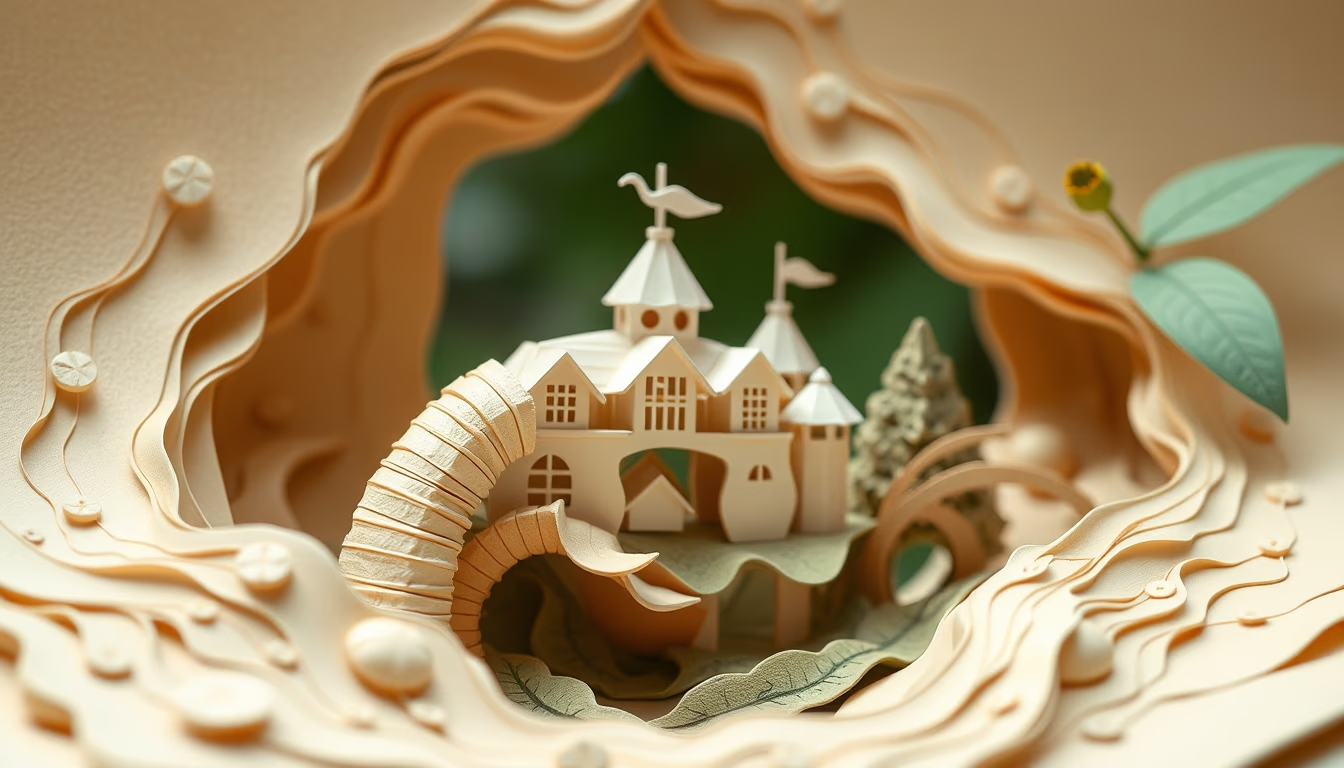
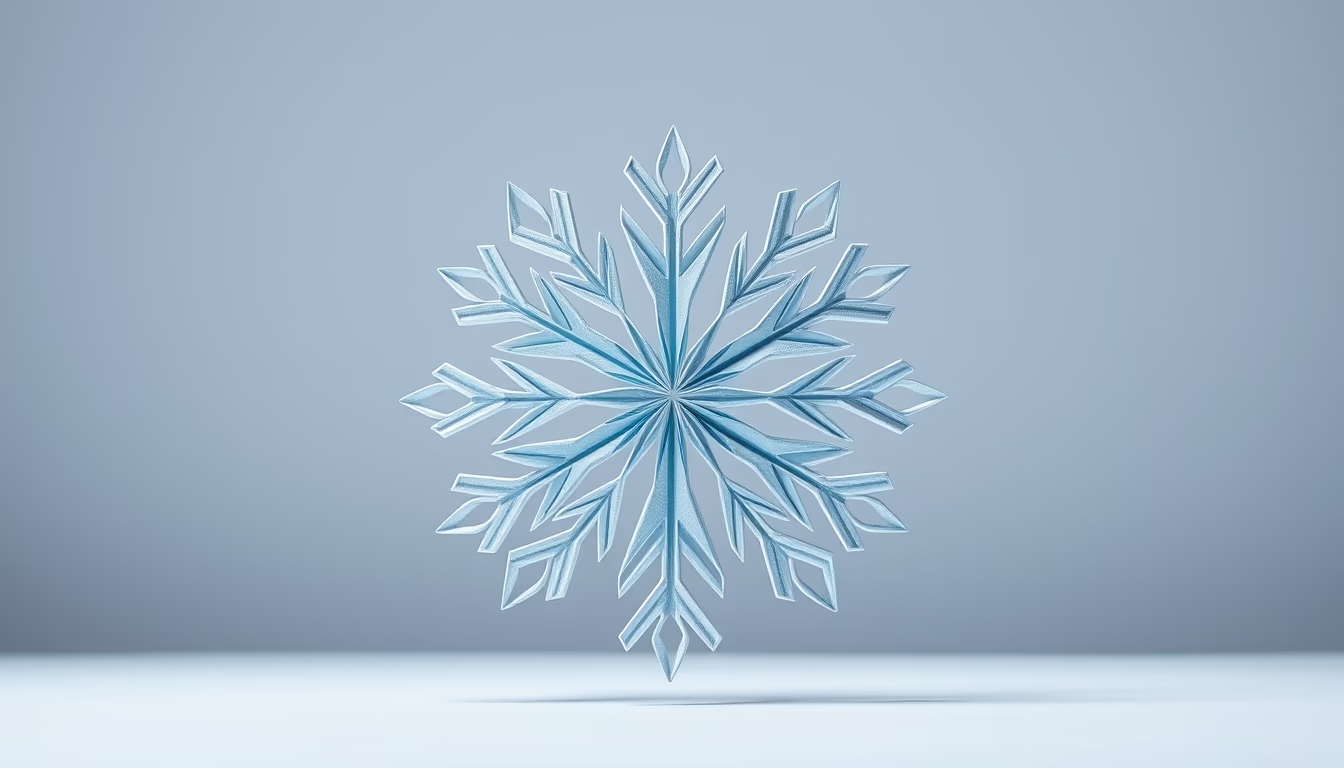
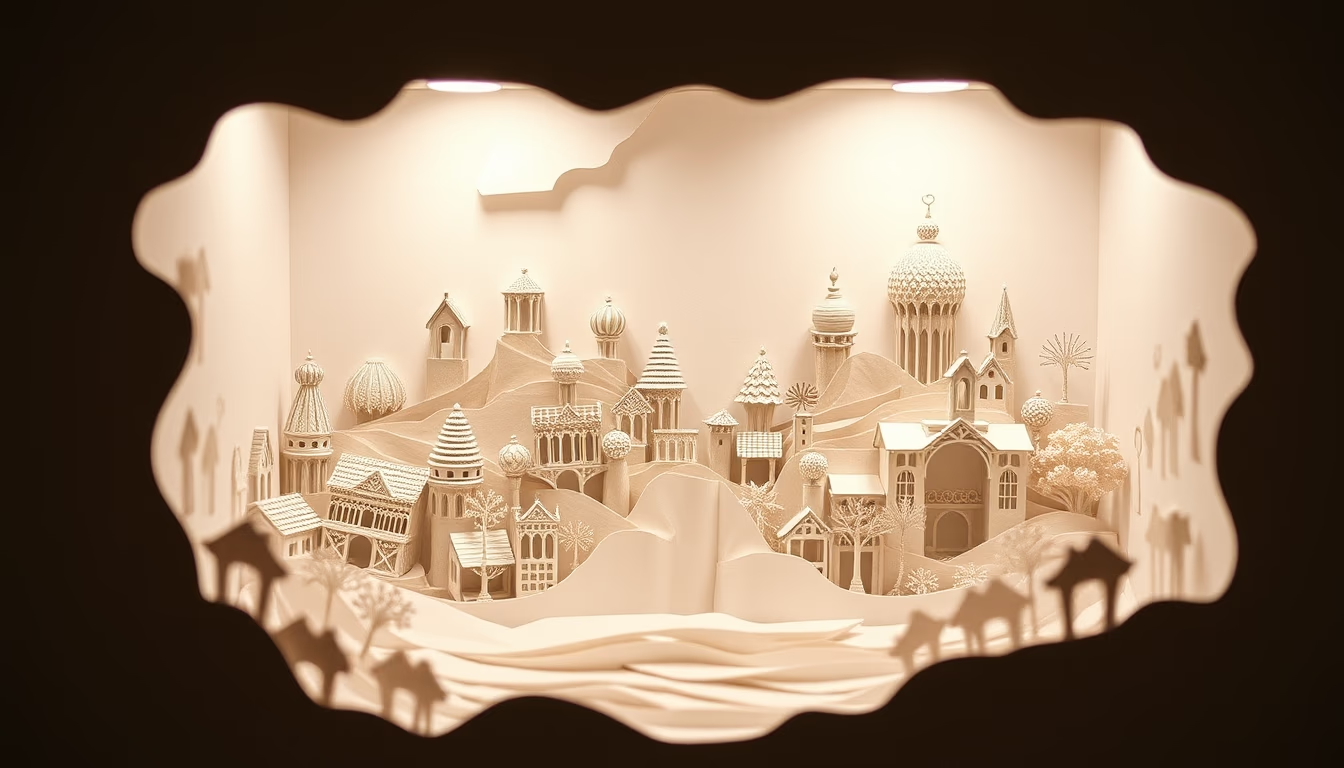
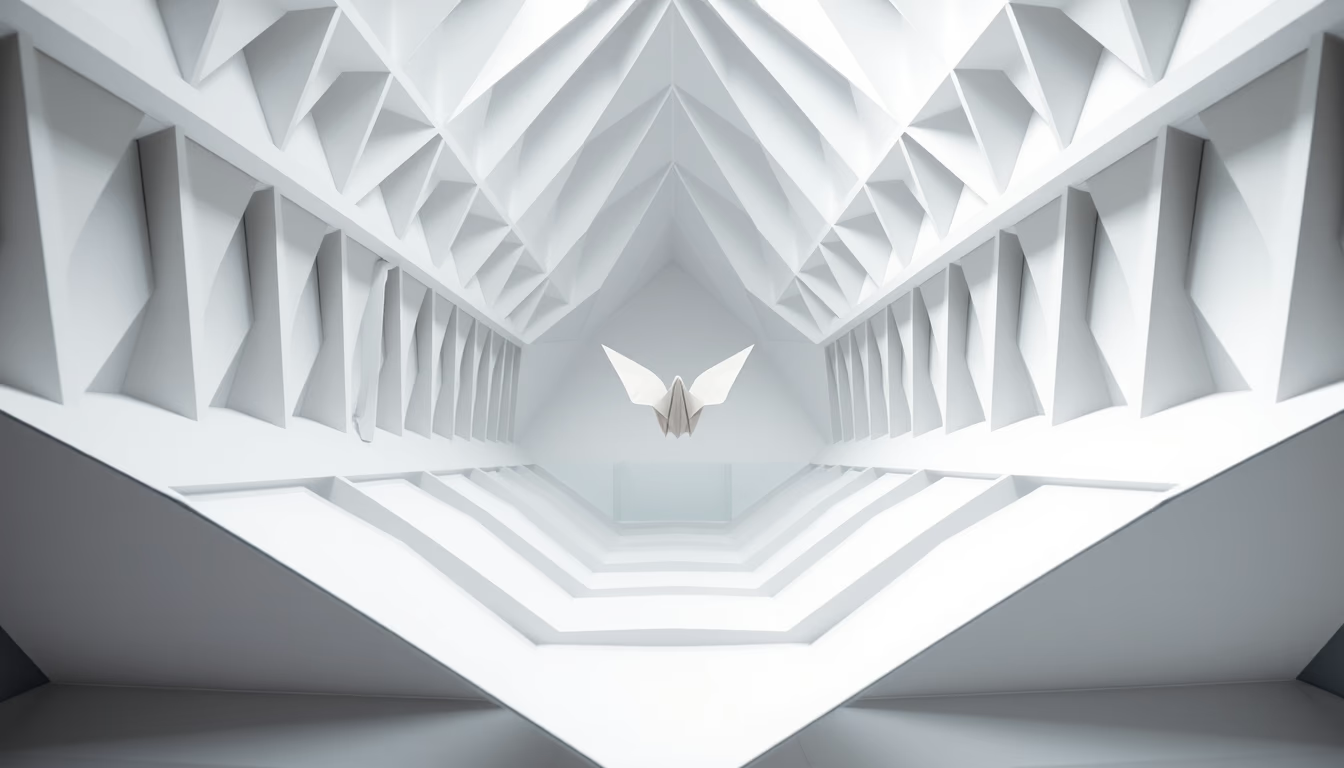
Paper sculpture demands millimeter precision and patience, transforming flat sheets into three-dimensional works with impressive details.
About this subject
Paper sculpture is an art form that uses cutting, folding, gluing, and layering techniques to create three-dimensional objects. Unlike origami, which relies solely on folding, paper sculpture allows greater creative freedom, combining precise cuts and overlays to generate textures, shadows, and depth. Artists such as Peter Callesen and Li Hongbo are known for hyper-realistic works that challenge the perception of the material, as if paper were as malleable as fabric or as rigid as stone.
The technique requires specific tools: fine-blade scalpels, cutting mats, metal rulers, and fast-drying glues. The process usually begins with digital or manual sketches, followed by the choice of paper, from common sheets to special weights like papercraft or cardstock. Each cut must be planned so that the structure remains firm, often requiring hidden internal reinforcements. Lighting on the work highlights the reliefs, creating an almost sculptural effect.
In contemporary art, paper sculpture has gained prominence in kinetic art exhibitions and environmental installations. The documentary nature style, mentioned in the tags, suggests works that depict organic elements with scientific fidelity, leaves, animals, landscapes, capturing the fragility and complexity of ecosystems. This approach brings art closer to biology, using paper as a metaphor for the ephemerality of life.
Interestingly, paper sculpture is also used in fields such as architectural models, stop-motion character design, and educational prosthetics. Despite its delicate appearance, well-constructed pieces can last decades if kept in dry, low-light environments. The technical challenge lies in balancing lightness and strength, as paper is naturally prone to tearing and deformation.
Frequently Asked Questions
What is the difference between paper sculpture and origami?
Origami uses only folds on a single sheet of paper, without cuts or glue. Paper sculpture allows cuts, gluing, and multiple layers, enabling greater complexity and three-dimensional detail.
What materials are essential to start paper sculpture?
Basic tools include: precision scalpel or craft knife, self-healing cutting mat, metal ruler, fast-drying white glue, tweezers, and papers of various weights (like 180 g/m² bond or cardstock).
How can a paper sculpture be preserved for many years?
Avoid direct sunlight and humidity. Store in a dry, ventilated area, preferably in an acid-free archival box. Clean with a soft brush and avoid touching with bare hands to prevent oil transfer.
Direct URL
https://pub-c7d6a6ea828543ac903a74a341ccb2e1.r2.dev/imagens/paper-sculpture-intricate-documentary-nature-style-fresh15.avifHow to credit
Include a visible link back to UtilizAí. Copy one of the snippets below:
<a href="https://xn--utiliza-eza.com/en/midia/imagens/paper-sculpture-intricate-documentary-nature-style-fresh15">Paper sculpture intricate</a> by <a href="https://xn--utiliza-eza.com">UtilizAí</a>, licensed under <a href="https://creativecommons.org/licenses/by/4.0/">CC BY 4.0</a>.
[Paper sculpture intricate](https://xn--utiliza-eza.com/en/midia/imagens/paper-sculpture-intricate-documentary-nature-style-fresh15) by [UtilizAí](https://xn--utiliza-eza.com), CC BY 4.0
License: CC-BY-4.0