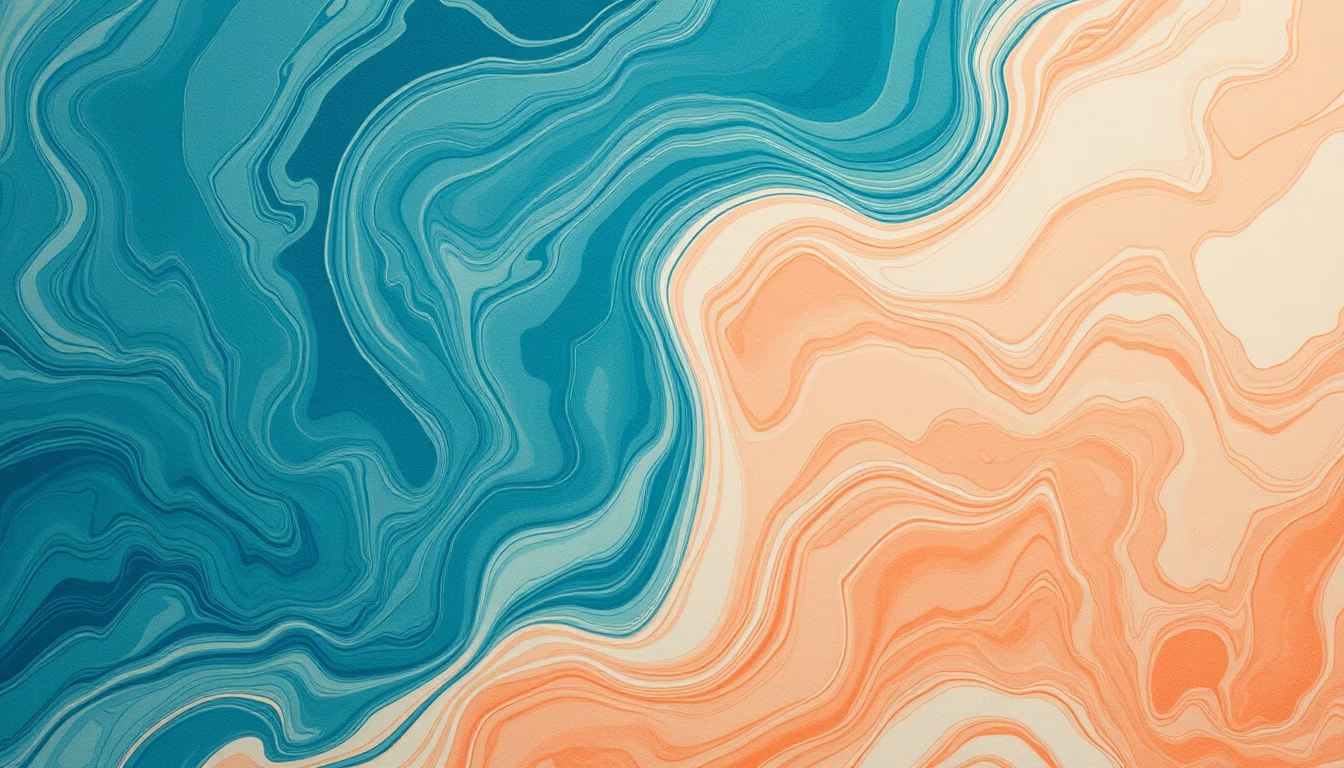
Paper marbling water
1344×768 · AVIF · CC BY 4.0
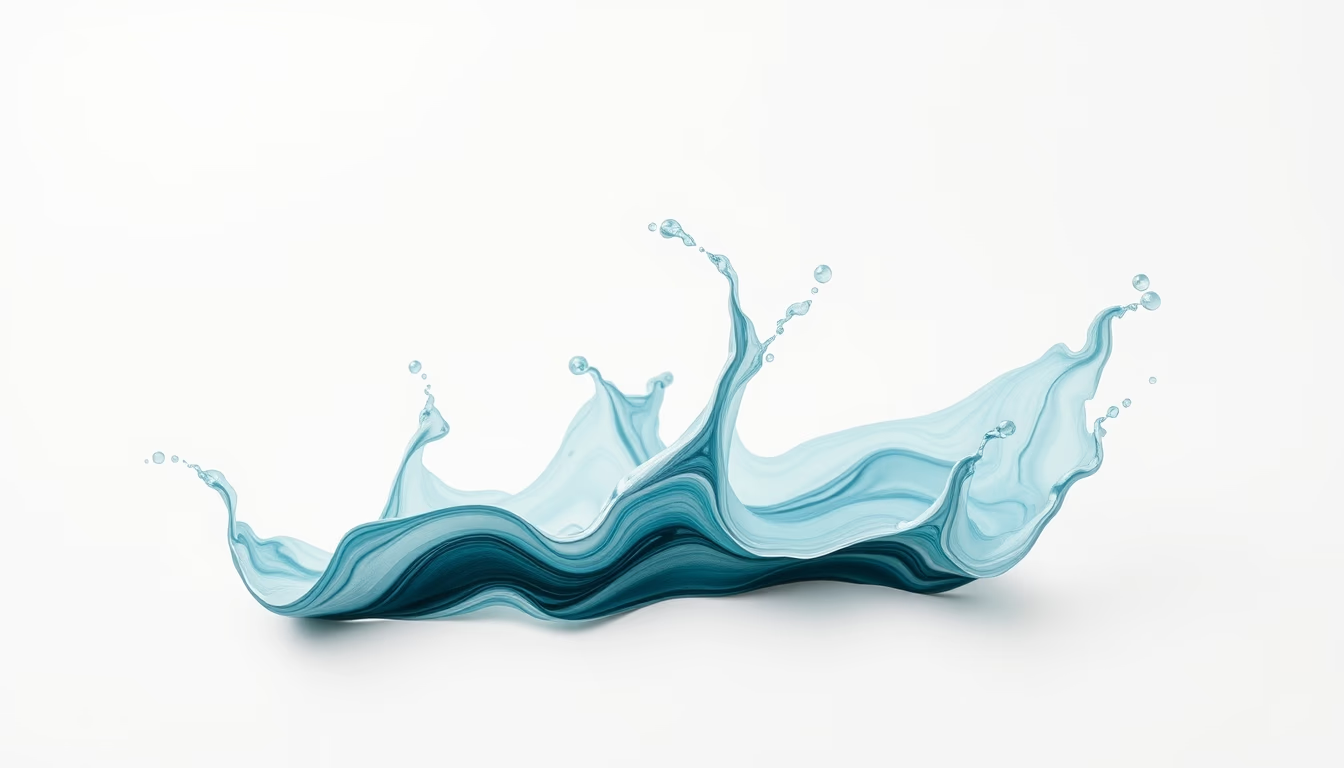
Paper marbling is a technique using a liquid surface to create unique patterns, originating in 12th-century Japan.
About this subject
Paper marbling is an ancient art form that involves floating paints on a liquid bath (usually water with additives like carrageen or methylcellulose) and transferring the pattern onto paper. The technique originated in Japan around the 12th century, known as suminagashi (floating ink), and later spread to Persia and Turkey, where it is called ebru (art of clouds). It became popular in Europe in the 17th century for decorating book endpapers and stationery.
The process begins with preparing the bath: the water is thickened to increase viscosity, allowing oil-based or diluted acrylic paints to spread without dissolving. The artist applies colors drop by drop or with brushes, then uses tools such as combs, needles, or blowing to create patterns like spirals, waves, florals, or marble imitations. Each piece is unique because the paint movement is influenced by surface tension and manual technique.
Culturally, marbling is valued for its unpredictability and organic beauty. In Turkey, ebru is recognized as UNESCO Intangible Cultural Heritage (2014). Contemporary artists use the technique for bookbinding, visual arts, and even decorative objects. Unlike industrial prints, handmade paper marbling bears the signature of paint movement, making each design irreproducible.
Interestingly, the quality of the water bath is critical: temperature, pH, and viscosity affect color dispersion. Many artisans prepare the bath with carrageen (a seaweed extract) or methylcellulose for ideal consistency. The technique requires practice to control paint flow, but the final result is always a pleasant surprise.
Frequently Asked Questions
What is the origin of paper marbling?
The technique originated in Japan in the 12th century as suminagashi, later developed in Persia and Turkey as ebru, and reached Europe in the 17th century.
What materials are used in the water bath for marbling?
The bath typically contains water with carrageen (a seaweed extract) or methylcellulose to increase viscosity, allowing paints to float without fully mixing.
Why is each marbled paper unique?
Because the pattern is created manually by moving paints on water, influenced by surface tension, temperature, and the artist's gestures, making exact reproduction impossible.
Direct URL
https://pub-c7d6a6ea828543ac903a74a341ccb2e1.r2.dev/imagens/paper-marbling-water-commercial-product-photography-fresh10.avifHow to credit
Include a visible link back to UtilizAí. Copy one of the snippets below:
<a href="https://xn--utiliza-eza.com/en/midia/imagens/paper-marbling-water-commercial-product-photography-fresh10">Paper marbling water</a> by <a href="https://xn--utiliza-eza.com">UtilizAí</a>, licensed under <a href="https://creativecommons.org/licenses/by/4.0/">CC BY 4.0</a>.
[Paper marbling water](https://xn--utiliza-eza.com/en/midia/imagens/paper-marbling-water-commercial-product-photography-fresh10) by [UtilizAí](https://xn--utiliza-eza.com), CC BY 4.0
License: CC-BY-4.0