Pacific ocean waves
1344×768 · AVIF · CC BY 4.0
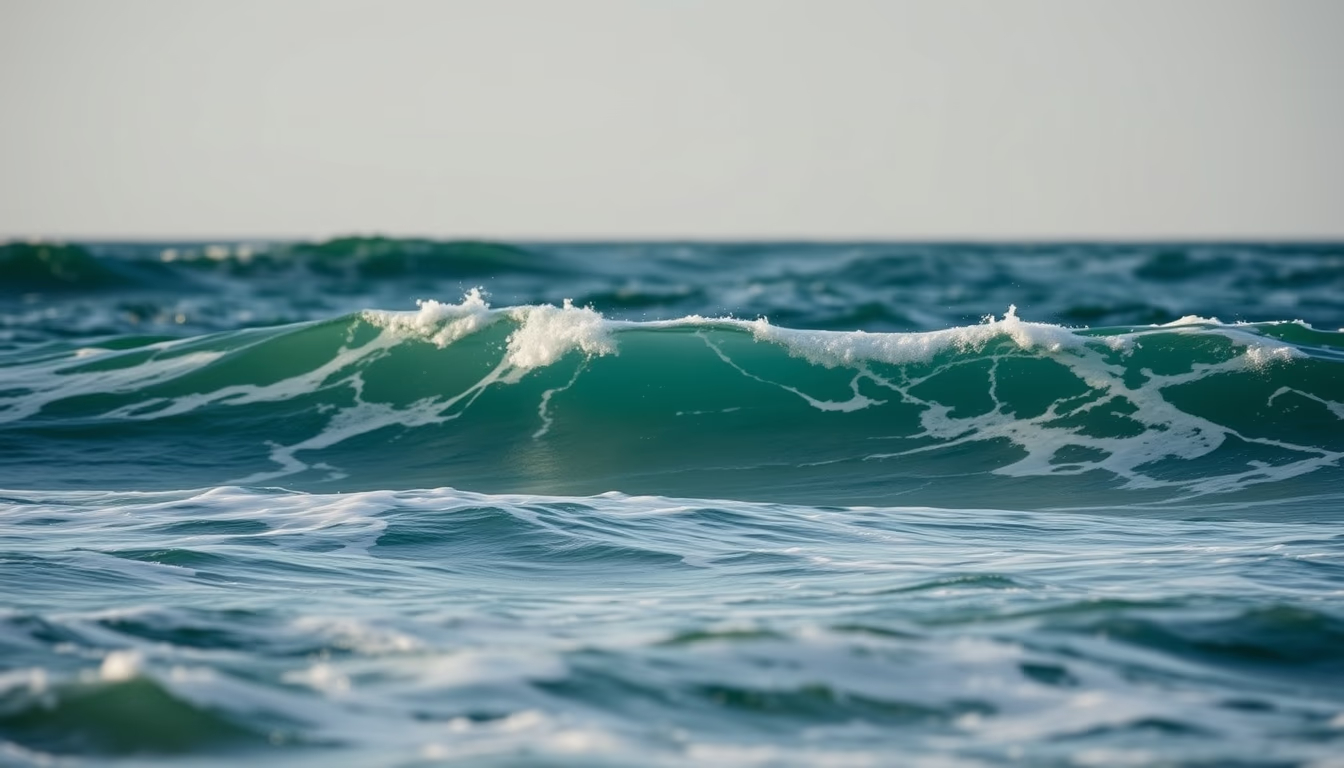
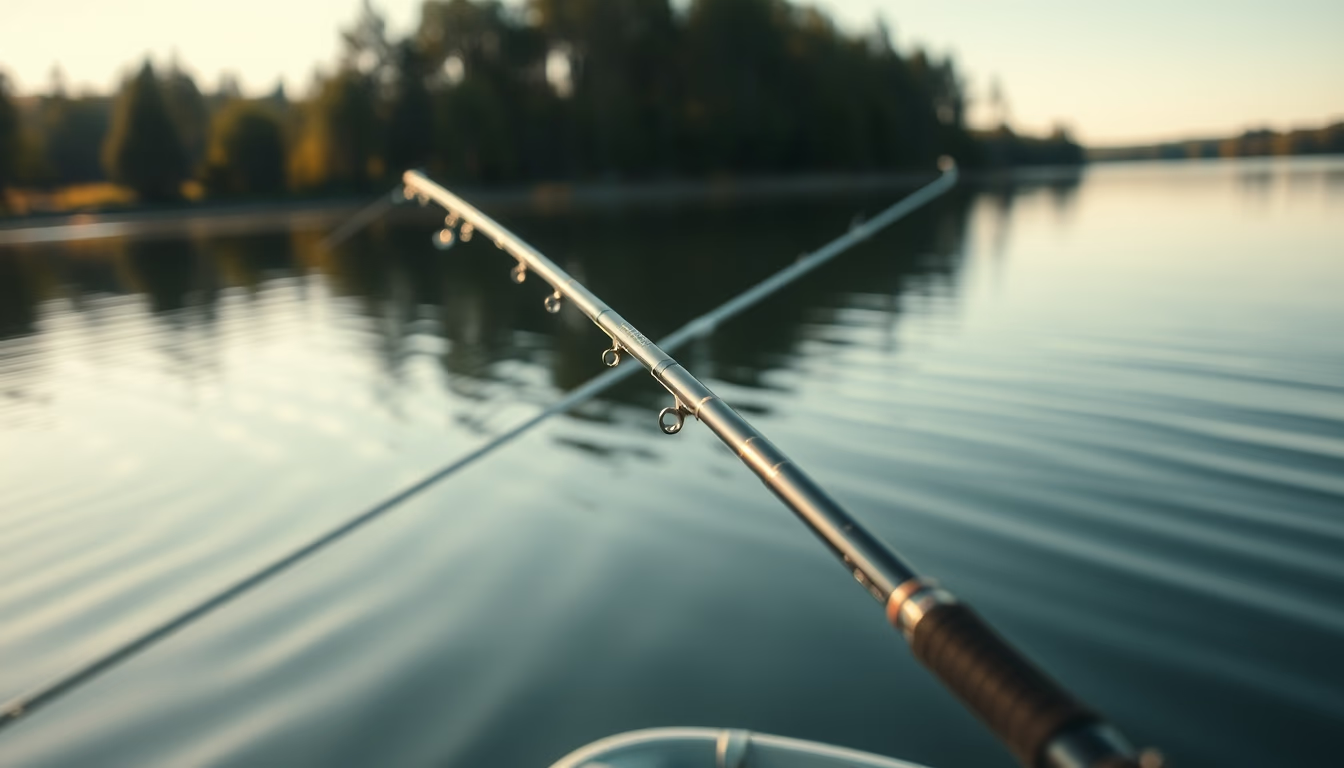
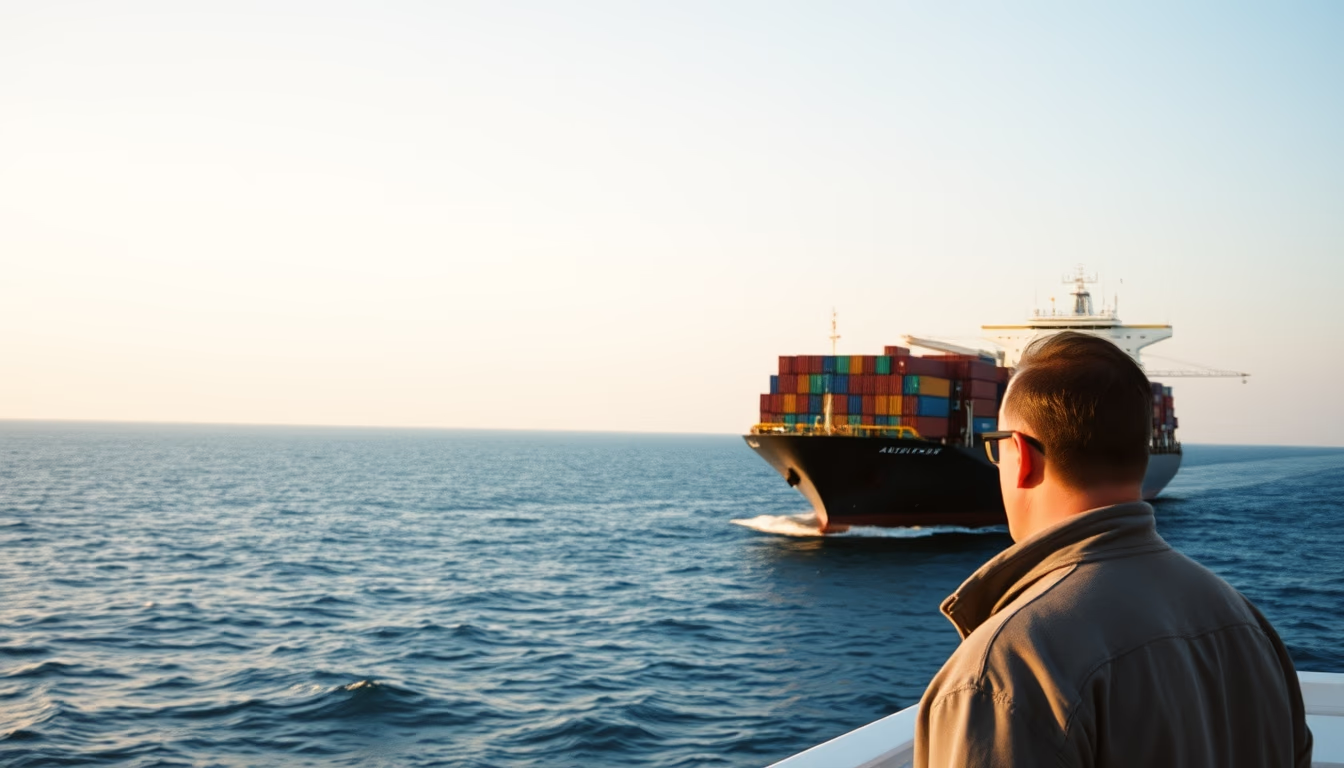
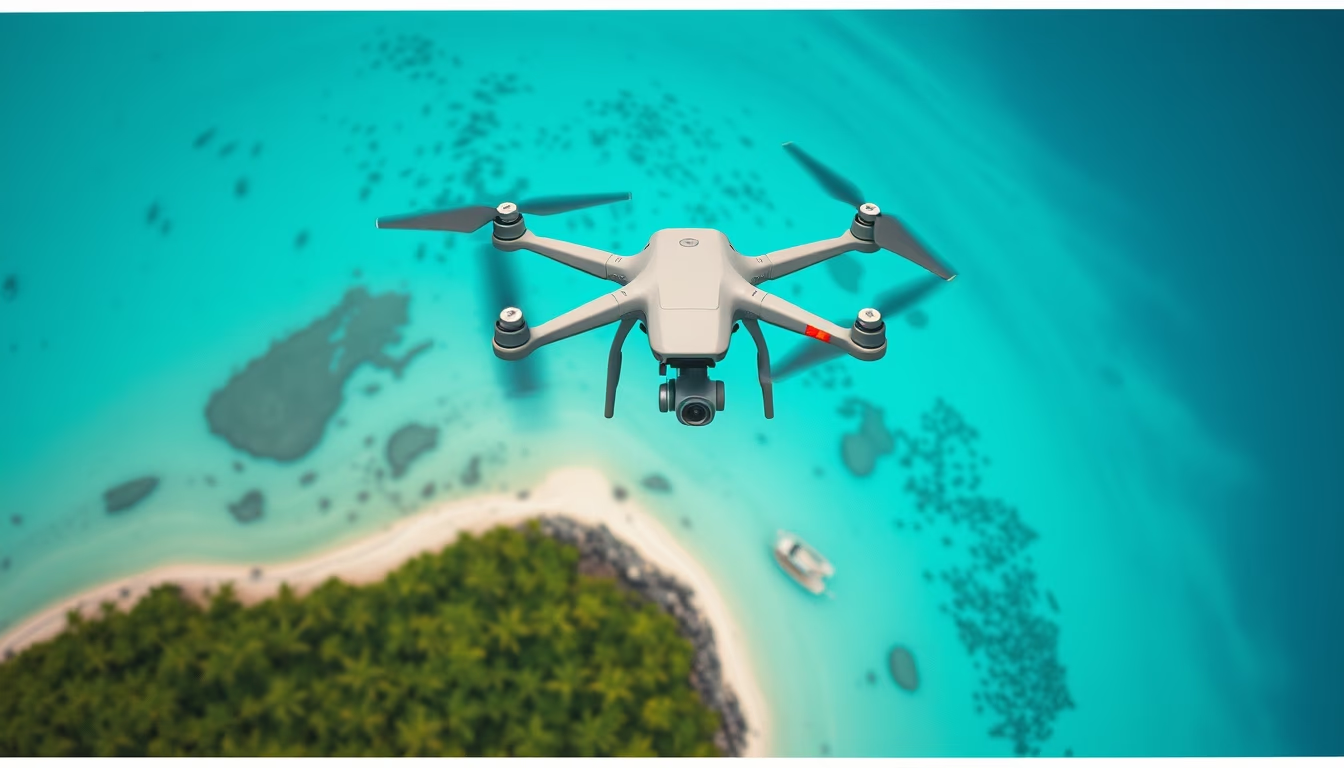
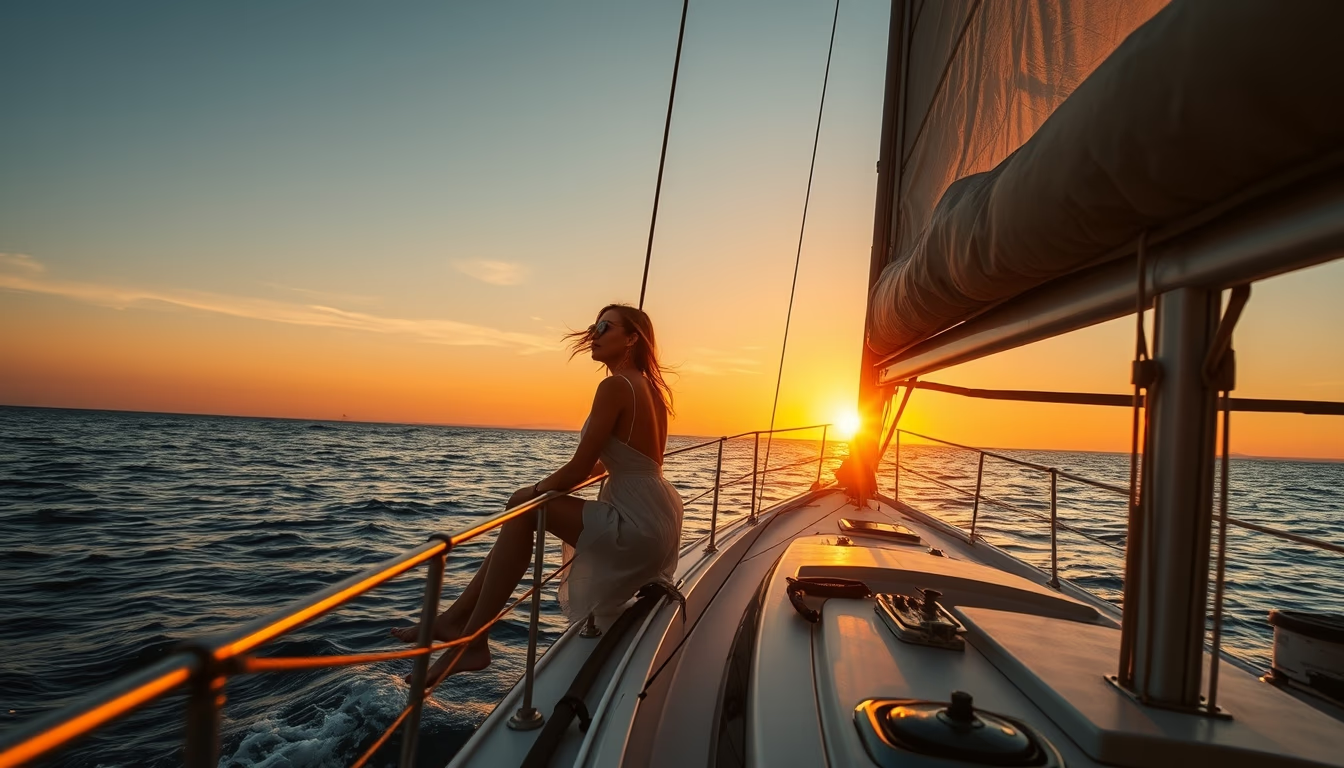
Pacific Ocean waves, shaped by the largest and deepest ocean on Earth, sculpt coastlines, influence climates, and captivate surfers worldwide.
About this subject
The Pacific Ocean covers approximately 165.25 million square kilometers, stretching from the Arctic to Antarctica and hosting the largest waves on Earth. Its waves are generated by intense winds traveling thousands of kilometers with no land obstacles, creating powerful swells that hit coastlines like Hawaii, Japan, Chile, and Mexico. The famous Jaws wave in Maui can exceed 20 meters in height, hosting tow-in surfing competitions. In the North Pacific, winter storms in the Gulf of Alaska produce waves that travel to California, where spots like Mavericks have become legends of big wave surfing.
The Pacific's geography directly influences wave behavior. The Ring of Fire, a region of intense seismic activity, triggers tsunamis that cross the ocean at speeds of up to 800 km/h. In 2011, the Tohoku earthquake generated a tsunami that devastated the Japanese coast and reached Hawaii and Chile. Additionally, the El Niño Southern Oscillation alters sea surface temperature, modifying wind patterns and consequently wave formation across the tropical Pacific. During strong El Niño events, Hawaii can experience larger than normal waves, while the US West Coast receives southerly swells.
Culturally, the Pacific is the birthplace of modern surfing. Polynesian civilizations surfed waves for centuries, and the sport was revitalized in Hawaii in the 20th century by figures like Duke Kahanamoku. Today, beaches like Pipeline in Oahu and Uluwatu in Bali are surfing meccas that attract travelers worldwide. Pacific waves also sustain coastal ecosystems: wave motion oxygenates water, transports nutrients, and enables the life of coral reefs, such as the Great Barrier Reef along Australia's Pacific coast. However, sea level rise and ocean warming threaten these habitats.
Scientifically, Pacific waves are studied to predict coastal erosion risk and design defense structures. Floating laboratories like the Coastal Data Information Program monitor buoys that record wave height, period, and direction in real time. Understanding wave dynamics is essential for navigation, coastal engineering, and even renewable energy generation from wave converters. The Pacific, with its vastness, remains the most important natural laboratory for wave study on the planet.
Frequently Asked Questions
Why are Pacific waves larger than waves in other oceans?
The Pacific is the largest ocean, allowing winds to blow over long distances without interruption, forming powerful swells. Its depth and lack of continental barriers in certain directions also contribute to more energetic waves.
What causes a tsunami in the Pacific?
Tsunamis are generated by underwater earthquakes, volcanic eruptions, or landslides on the ocean floor, common along the Pacific Ring of Fire. The abrupt water displacement creates waves that travel at high speeds across thousands of kilometers.
How does El Niño affect wave formation in the Pacific?
El Niño warms surface waters in the tropical Pacific, altering wind patterns and increasing storm intensity and frequency, which can lead to larger waves in areas like Hawaii and California.
Direct URL
https://pub-c7d6a6ea828543ac903a74a341ccb2e1.r2.dev/imagens/pacific-ocean-waves-documentary-photography-p6.avifHow to credit
Include a visible link back to UtilizAí. Copy one of the snippets below:
<a href="https://xn--utiliza-eza.com/en/midia/imagens/pacific-ocean-waves-documentary-photography-p6">Pacific ocean waves</a> by <a href="https://xn--utiliza-eza.com">UtilizAí</a>, licensed under <a href="https://creativecommons.org/licenses/by/4.0/">CC BY 4.0</a>.
[Pacific ocean waves](https://xn--utiliza-eza.com/en/midia/imagens/pacific-ocean-waves-documentary-photography-p6) by [UtilizAí](https://xn--utiliza-eza.com), CC BY 4.0
License: CC-BY-4.0