Orchid greenhouse asian
1344×768 · AVIF · CC BY 4.0
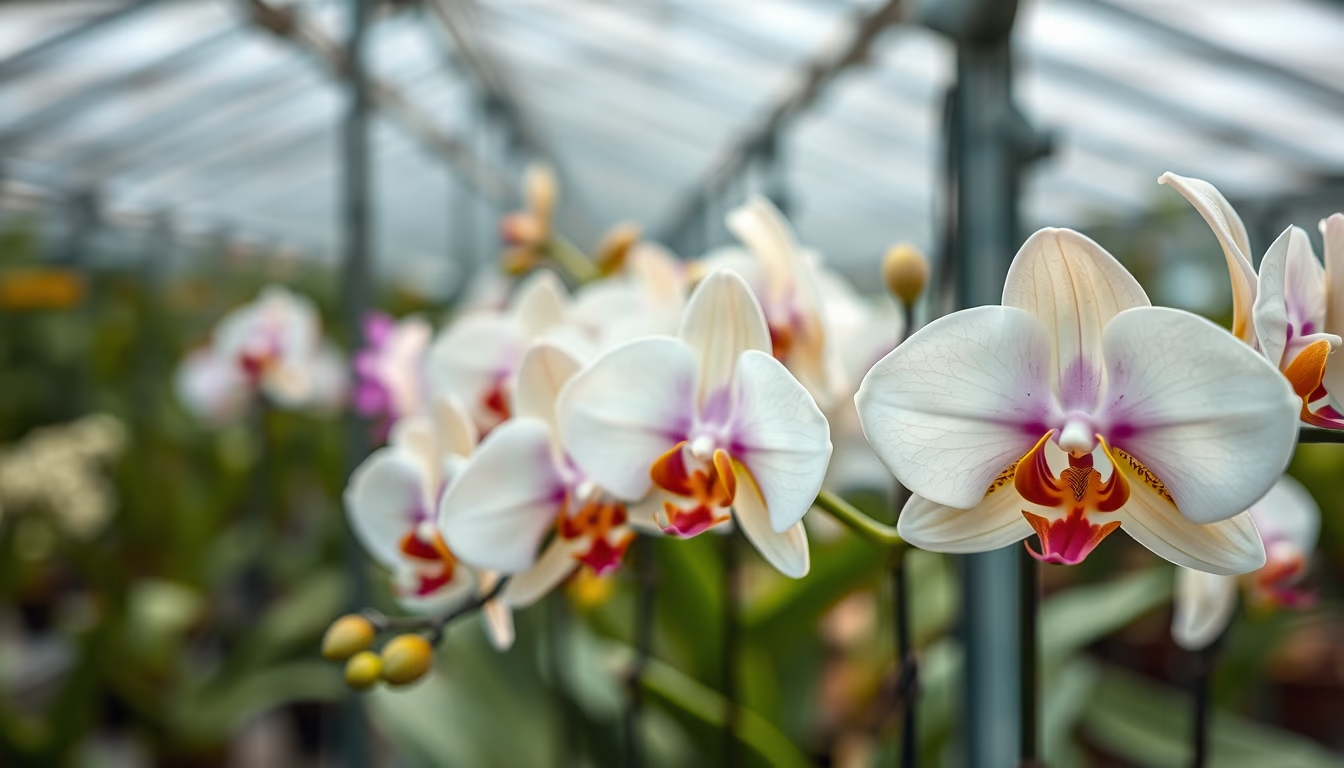
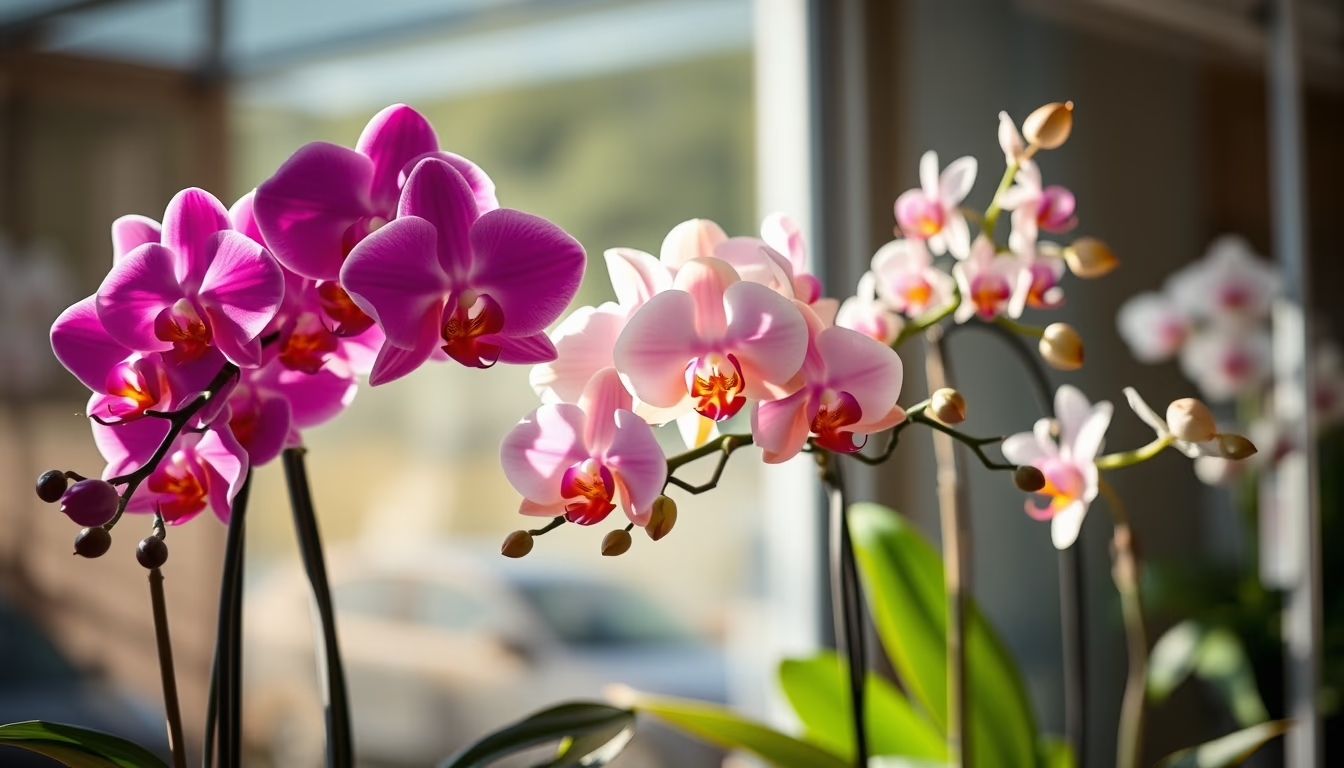
Orchid greenhouses in Asia are cultivation hubs blending tradition and innovation, housing thousands of tropical species.
About this subject
Orchid greenhouses in Asia represent a vital segment of global floriculture. Countries like Thailand, Singapore, Malaysia, and Japan have vast covered areas dedicated to orchid cultivation, both for domestic markets and export. Thailand, for instance, is one of the world's largest exporters of cut orchids, especially Dendrobium and Phalaenopsis varieties, which bloom year-round under controlled conditions.
These environments are designed to replicate the humid tropical climate of Asian forests, using automated irrigation, misting, and shading systems. Many greenhouses incorporate sustainable technologies such as rainwater harvesting and solar panels. Additionally, local growers' traditional knowledge blends with modern hybridization techniques, producing new colors and shapes that delight collectors.
Asian culture deeply values orchids as symbols of beauty, fertility, and prosperity. In Singapore, the hybrid orchid Papilionanthe Miss Joaquim is the national flower. Festivals like the Bangkok International Orchid Fair attract thousands of visitors. Interestingly, some greenhouses have become tourist attractions, allowing the public to observe manual pollination and cloning of cuttings.
The economic impact is significant. The global orchid market moves billions of dollars annually, with Asia accounting for over 60% of production. The region also leads in preservation research, with germplasm banks protecting species threatened by deforestation. Thus, greenhouses not only ensure flowers for decoration but also act as sanctuaries for biodiversity.
Frequently Asked Questions
Why are orchid greenhouses so common in Asia?
Asia has a favorable tropical climate and a long tradition of orchid cultivation, combined with investments in technology and export. Countries like Thailand and Singapore dominate the global flower market.
Which orchid species are most commonly grown in Asian greenhouses?
The most common are Dendrobium, Phalaenopsis (moth orchid), Oncidium, and Cattleya. Each has specific temperature and humidity requirements that are controlled in the greenhouses.
How do greenhouses contribute to orchid preservation?
They maintain germplasm banks with seeds and tissues of endangered species, enabling research and reintroduction into the wild. Also, they reduce illegal collection by supplying commercial demand.
Direct URL
https://pub-c7d6a6ea828543ac903a74a341ccb2e1.r2.dev/imagens/orchid-greenhouse-asian-macro-closeup-fresh18.avifHow to credit
Include a visible link back to UtilizAí. Copy one of the snippets below:
<a href="https://xn--utiliza-eza.com/en/midia/imagens/orchid-greenhouse-asian-macro-closeup-fresh18">Orchid greenhouse asian</a> by <a href="https://xn--utiliza-eza.com">UtilizAí</a>, licensed under <a href="https://creativecommons.org/licenses/by/4.0/">CC BY 4.0</a>.
[Orchid greenhouse asian](https://xn--utiliza-eza.com/en/midia/imagens/orchid-greenhouse-asian-macro-closeup-fresh18) by [UtilizAí](https://xn--utiliza-eza.com), CC BY 4.0
License: CC-BY-4.0