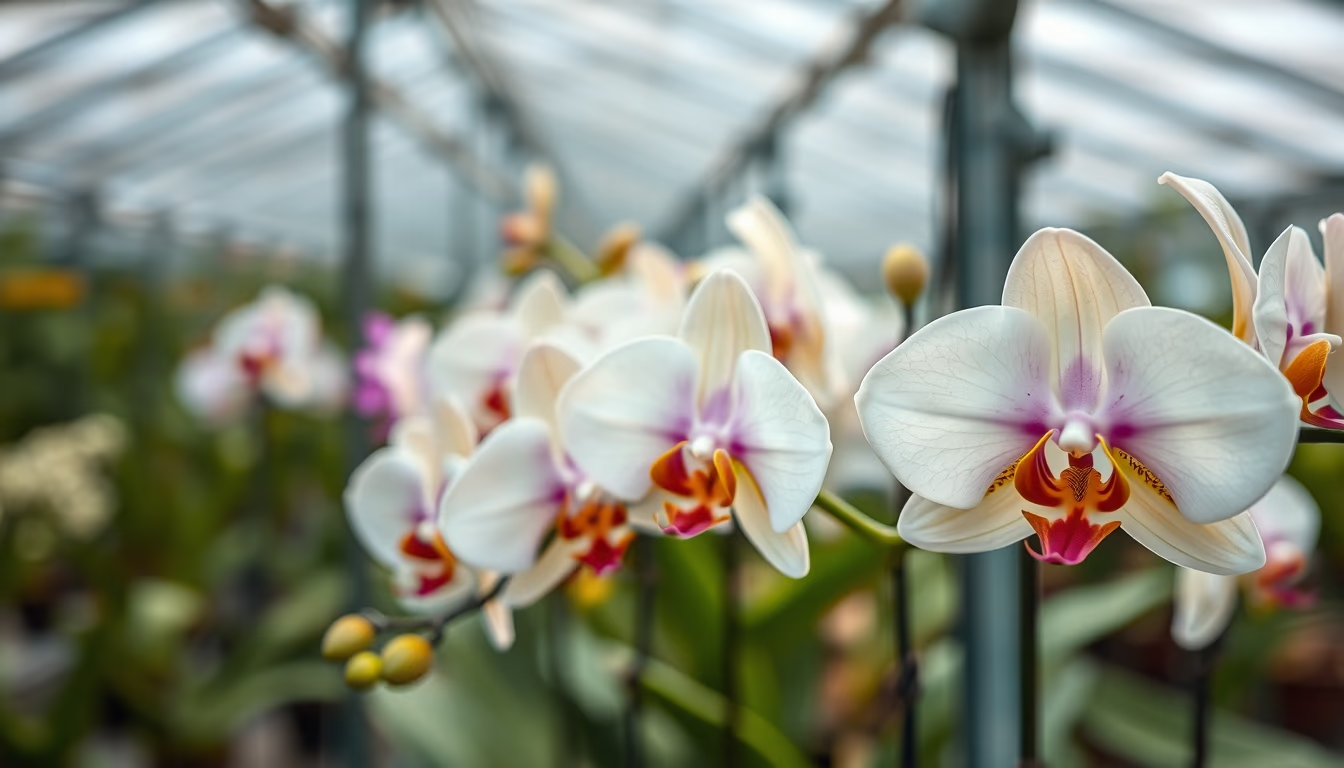
Orchid greenhouse asian
1344×768 · AVIF · CC BY 4.0
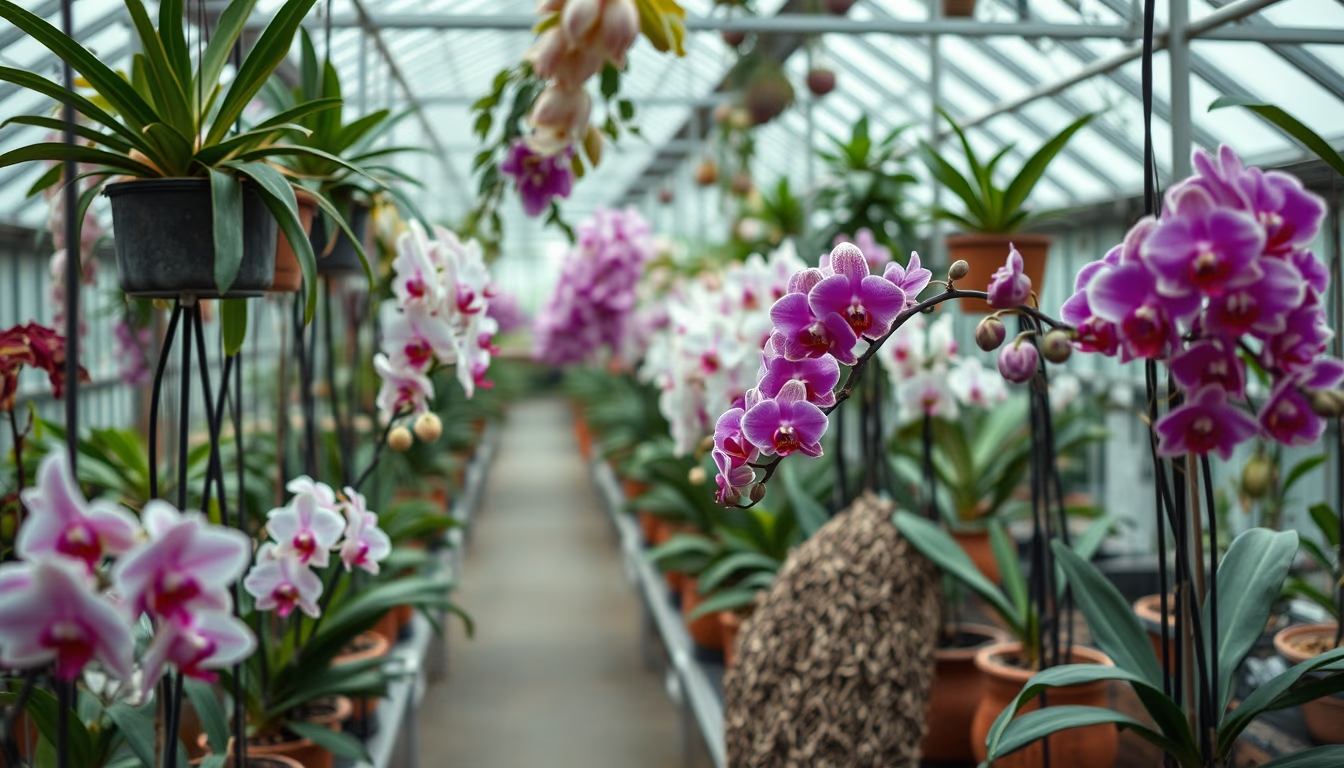
Orchid greenhouses in Asia blend ancient cultivation techniques with modern glasshouses, producing some of the world's most prized flowers.
About this subject
Orchid greenhouses in Asia represent one of the most sophisticated flower cultivation systems on the planet. Countries like Thailand, Singapore, Malaysia, and Japan lead orchid production and hybridization, blending traditional knowledge with cutting-edge technology. In Thailand, for instance, greenhouses account for over 60% of the world's cut orchid exports, generating billions of dollars annually.
Greenhouse design is adapted to local climates. In tropical regions, structures have open sides for natural ventilation, while in temperate countries like Japan, greenhouses are enclosed and heated. Light control is crucial: adjustable shading screens filter intense sunlight, as most Asian orchids prefer indirect light. Humidity is maintained at 60-80% through automated misting systems.
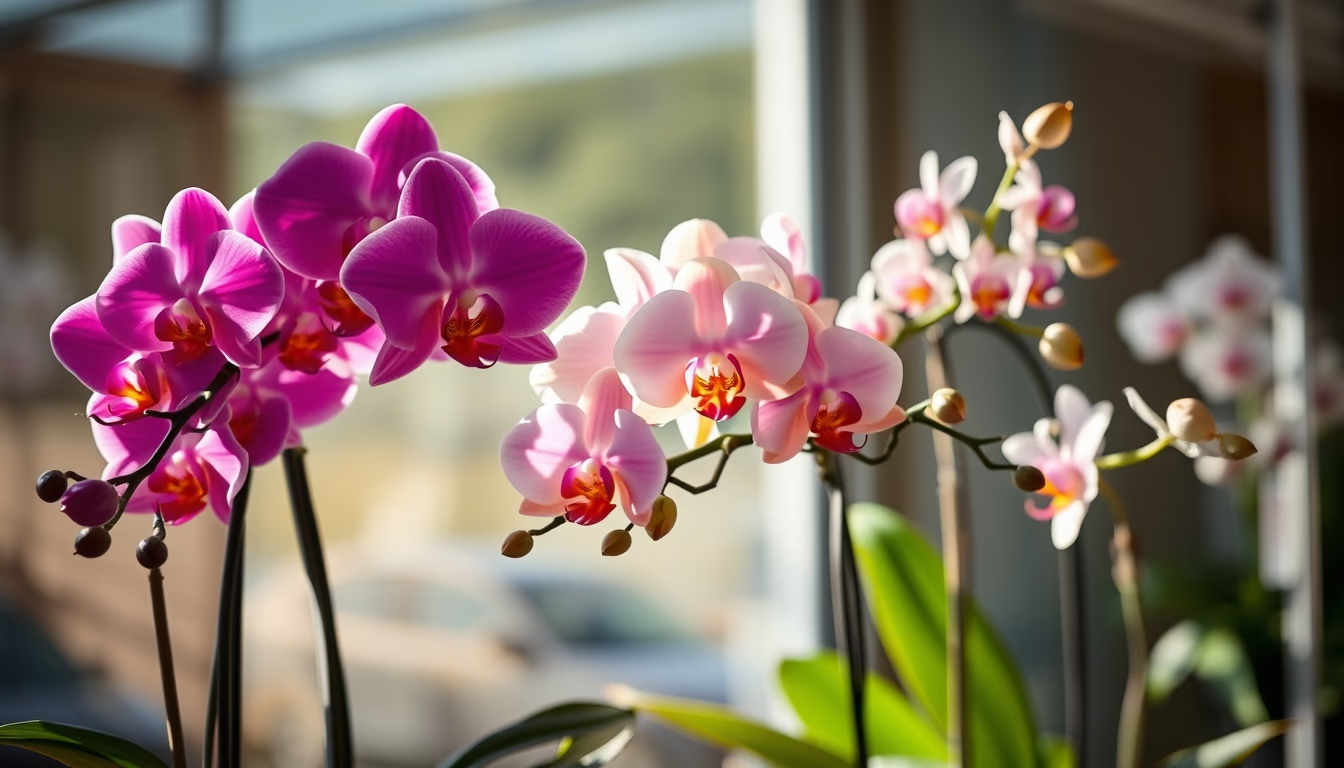
The diversity of cultivated species is immense. The Dendrobium orchid, the most popular in Asian floriculture, blooms year-round in controlled greenhouses. Others like Cattleya and Phalaenopsis are hybridized for unique colors and forms. Japan is famous for Cymbidium orchids, which require a cold period to flower, something Japanese greenhouses artificially recreate.
Historically, orchid cultivation in Asia dates back centuries, but the modern greenhouse emerged in the 19th century. Today, farms like Khao Yai Orchid Farm in Thailand or the botanic gardens of Singapore attract tourists interested in the beauty and science behind orchids. Greenhouse production not only supplies the cut flower market but also preserves species threatened by habitat destruction.
Frequently Asked Questions
Which Asian countries are the largest orchid greenhouse producers?
Thailand, Singapore, Malaysia, Japan, and China are the main ones. Thailand leads in cut orchid exports.
How do greenhouses control light for orchids?
They use adjustable shading screens and misting systems to create diffused light, as most Asian orchids cannot tolerate direct sunlight.
Do greenhouses help preserve endangered orchids?
Yes, many greenhouses act as germplasm banks, cultivating rare and threatened species due to habitat loss in Asia.
Direct URL
https://pub-c7d6a6ea828543ac903a74a341ccb2e1.r2.dev/imagens/orchid-greenhouse-asian-documentary-nature-style-fresh3.avifHow to credit
Include a visible link back to UtilizAí. Copy one of the snippets below:
<a href="https://xn--utiliza-eza.com/en/midia/imagens/orchid-greenhouse-asian-documentary-nature-style-fresh3">Orchid greenhouse asian</a> by <a href="https://xn--utiliza-eza.com">UtilizAí</a>, licensed under <a href="https://creativecommons.org/licenses/by/4.0/">CC BY 4.0</a>.
[Orchid greenhouse asian](https://xn--utiliza-eza.com/en/midia/imagens/orchid-greenhouse-asian-documentary-nature-style-fresh3) by [UtilizAí](https://xn--utiliza-eza.com), CC BY 4.0
License: CC-BY-4.0