Optometry frames display
1344×768 · AVIF · CC BY 4.0
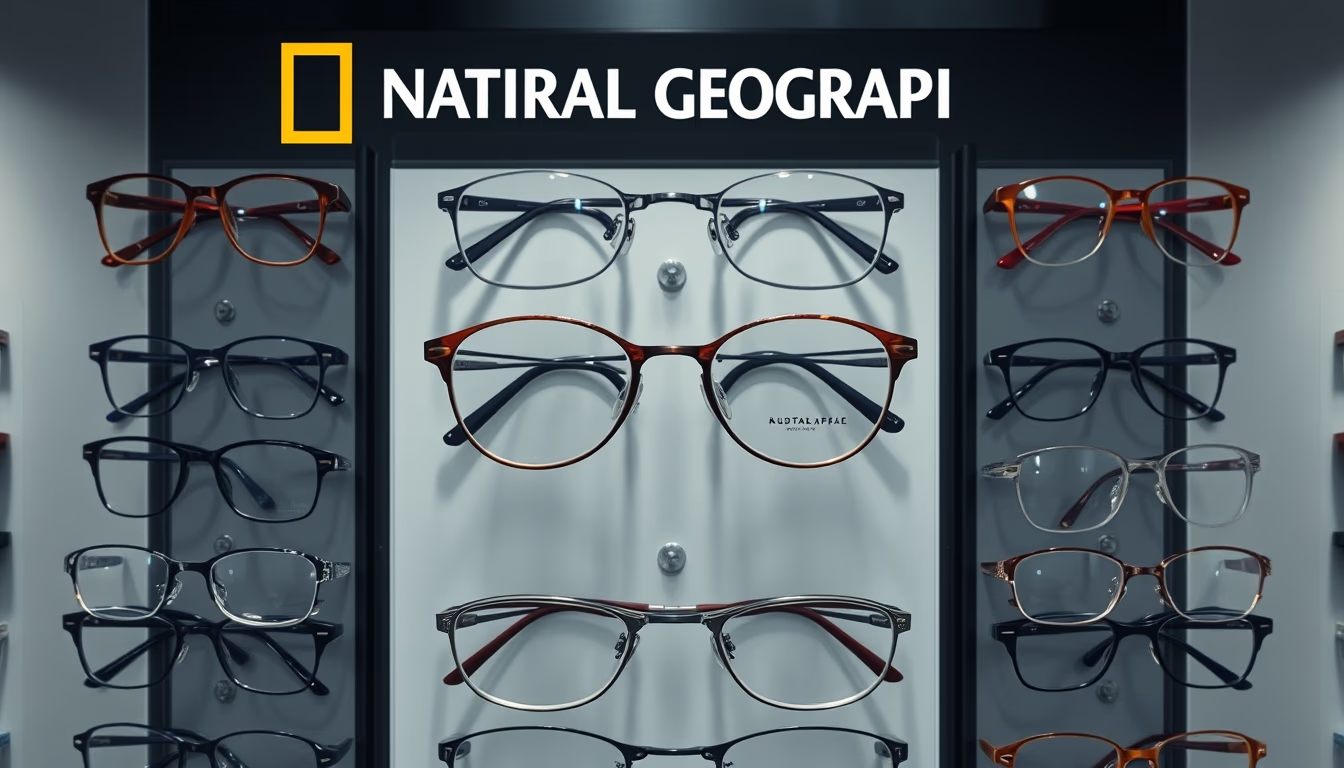
Display of eyeglass frames in an optometry office, showcasing a variety of models and colors for different visual needs.
About this subject
Selecting eyeglass frames is one of the most important steps in an optometry appointment, combining visual function with personal style. Frames are made from materials such as acetate, metal, and titanium, each with specific advantages: acetate is lightweight and hypoallergenic, metal offers durability and fine adjustment, while titanium provides strength and lightness for high-prescription lenses. In Brazil, the popularity of sunglasses and growing awareness of eye health drive demand for frames that combine UV protection and design. Trends for 2026 include geometric shapes, transparent frames, and pastel colors, reflecting a minimalist and futuristic aesthetic.
The organized display of frames in clinics, as shown in the image, facilitates visual and tactile comparison by the patient. Optometrists recommend considering face shape, skin tone, and professional activity when choosing a frame. For example, oval faces adapt to almost any model, while square faces benefit from round frames to soften angles. Additionally, correct adjustment of the temples and nose bridge is crucial to avoid discomfort and ensure lenses align with the eyes.
Technologically, modern frames integrate innovations such as flexible memory temples, adjustable nose pads, and sustainable materials like biodegradable acetate. The choice of frame also influences lens performance, especially in complex prescriptions, overly curved or large frames can distort peripheral vision. Therefore, physical displays in clinics, with real samples, remain superior to online purchases, allowing patients to test weight, feel, and aesthetics before the final decision.
Frequently Asked Questions
What is the difference between acetate and metal frames?
Acetate frames are made from a plant-based plastic, lightweight and hypoallergenic, available in many colors and patterns. Metal frames, such as stainless steel or titanium, are thinner and adjustable, ideal for high prescriptions, but may cause allergies in some cases.
How to choose the best frame shape for my face?
Oval faces suit most shapes. Round faces benefit from angular or rectangular frames to visually elongate. Square faces look better with round or oval frames to soften lines. Heart-shaped faces (wide forehead, narrow chin) harmonize with frames wider at the bottom.
Are blue light blocking lenses worth it?
Yes, for people who spend long hours in front of digital screens. The filter reduces eye strain and improves visual comfort, although there is no scientific consensus on long-term damage. Consult an optometrist to assess your need.
Direct URL
https://pub-c7d6a6ea828543ac903a74a341ccb2e1.r2.dev/imagens/optometry-frames-display-national-geographic-style-p1.avifHow to credit
Include a visible link back to UtilizAí. Copy one of the snippets below:
<a href="https://xn--utiliza-eza.com/en/midia/imagens/optometry-frames-display-national-geographic-style-p1">Optometry frames display</a> by <a href="https://xn--utiliza-eza.com">UtilizAí</a>, licensed under <a href="https://creativecommons.org/licenses/by/4.0/">CC BY 4.0</a>.
[Optometry frames display](https://xn--utiliza-eza.com/en/midia/imagens/optometry-frames-display-national-geographic-style-p1) by [UtilizAí](https://xn--utiliza-eza.com), CC BY 4.0
License: CC-BY-4.0