Optometry frames display
1344×768 · AVIF · CC BY 4.0
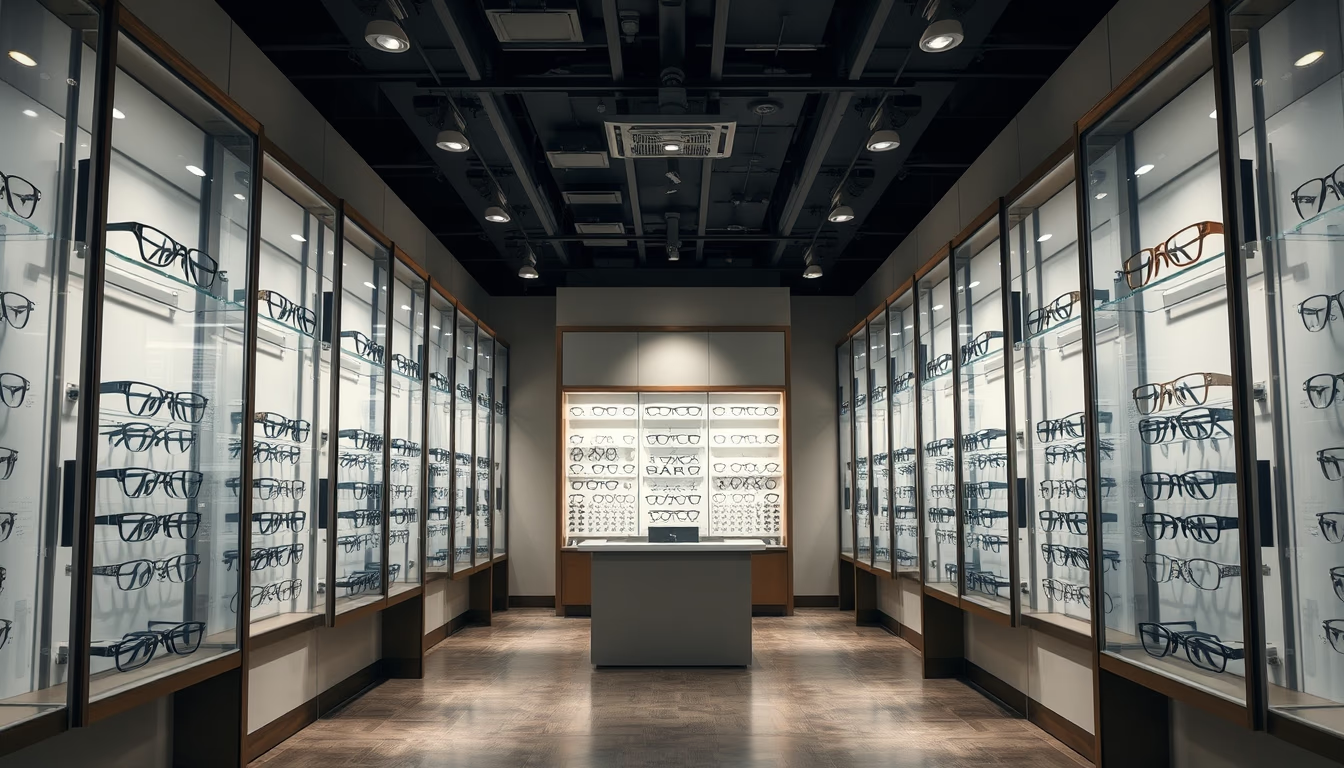
Optometry frames displays are essential showcases in clinics and eyewear stores, combining functionality and design to present a variety of eyeglass models.
About this subject
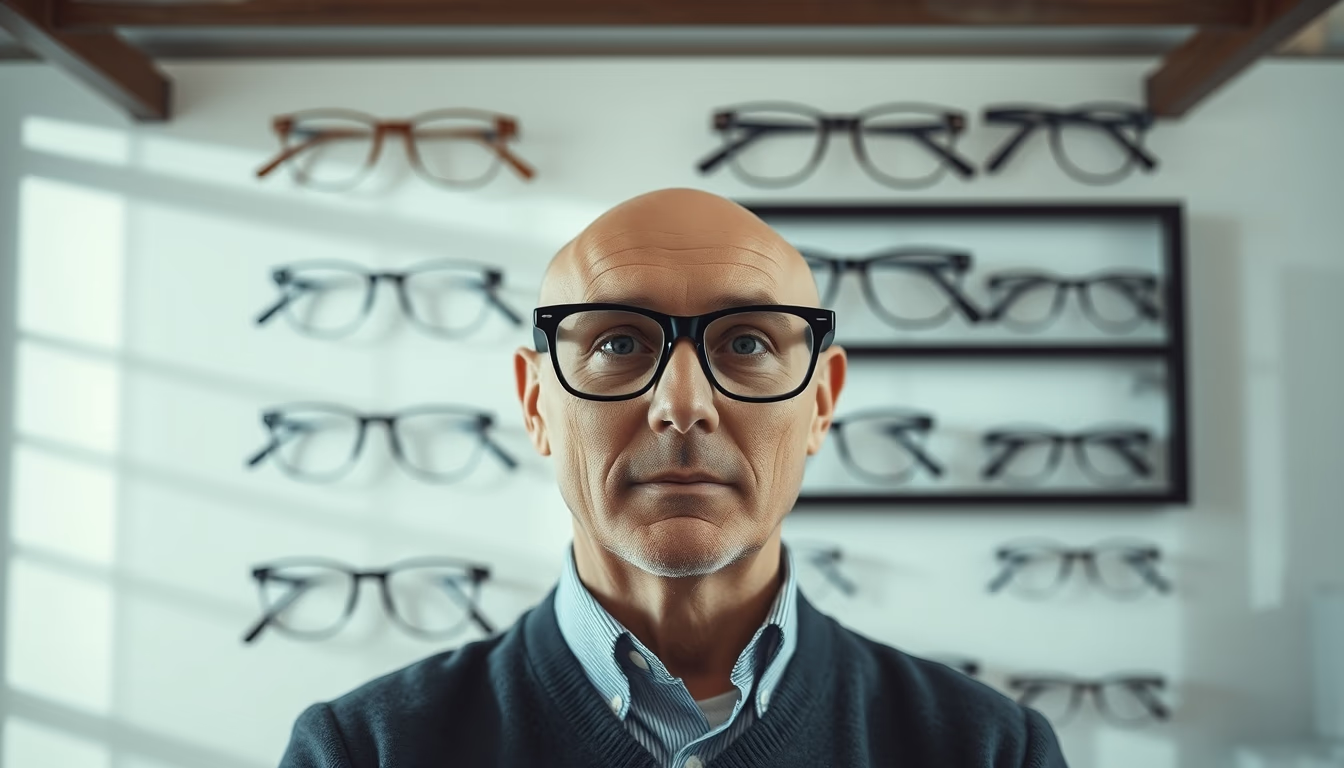
An optometry frames display is more than a simple rack. It organizes dozens or hundreds of eyeglass frames, allowing patients and customers to compare styles, colors, and materials efficiently. In optometry clinics, these displays are strategically placed near the exam room, easing the transition from the consultation to the frame selection. Lighting is a critical factor: adjustable LED lights highlight frame details without creating unwanted reflections, while modular shelves allow the layout to be reconfigured as the collection changes.
Organization by category is common: children's, adult, sports, or designer frames. Many displays include mirrors and holders so clients can try on glasses quickly. The architectural design of the display influences the user experience. Modern displays adopt minimalist lines, recycled wood, or transparent acrylic to create a sense of lightness. In 2026, the trend is to integrate digital screens that show lens information and prices, as well as smart lighting systems that adjust the color temperature to simulate different environments.
Beyond the practical function, these displays have an aesthetic role. They reflect the brand identity of the clinic or store. Well-designed displays can increase sales by up to 30%, according to retail industry studies. The arrangement of frames follows eye-level principles: best-selling or high-margin models are placed at eye height. Ease of replenishment and material durability are also important considerations for the optometrist.
Interestingly, some displays are rotating, like traditional carousels, but newer versions use sliding panels to save space. Accessibility is another key point: displays with adjustable heights accommodate wheelchair users and children. In summary, the optometry frames display combines exhibition engineering, consumer psychology, and interior design to create an indispensable tool in optometric care.
Frequently Asked Questions
How to choose the ideal frame from an optometry display?
Consider your face shape, skin tone, and preferred style. Look for frames that highlight your features. Ask the optometrist for fitting assistance and check the weight and comfort.
Why are frames displays important in optometry?
They organize options visually and accessibly, facilitate comparison, and speed up the patient's choice. A well-planned display improves the customer experience and can boost sales.
What are the trends for eyewear displays in 2026?
Displays with interactive screens, smart lighting that adjusts to different environments, and sustainable materials. Digital integration allows showing lens technical information and simulating colors.
Direct URL
https://pub-c7d6a6ea828543ac903a74a341ccb2e1.r2.dev/imagens/optometry-frames-display-architectural-photography-p3.avifHow to credit
Include a visible link back to UtilizAí. Copy one of the snippets below:
<a href="https://xn--utiliza-eza.com/en/midia/imagens/optometry-frames-display-architectural-photography-p3">Optometry frames display</a> by <a href="https://xn--utiliza-eza.com">UtilizAí</a>, licensed under <a href="https://creativecommons.org/licenses/by/4.0/">CC BY 4.0</a>.
[Optometry frames display](https://xn--utiliza-eza.com/en/midia/imagens/optometry-frames-display-architectural-photography-p3) by [UtilizAí](https://xn--utiliza-eza.com), CC BY 4.0
License: CC-BY-4.0