Olympic flags stadium
1344×768 · AVIF · CC BY 4.0
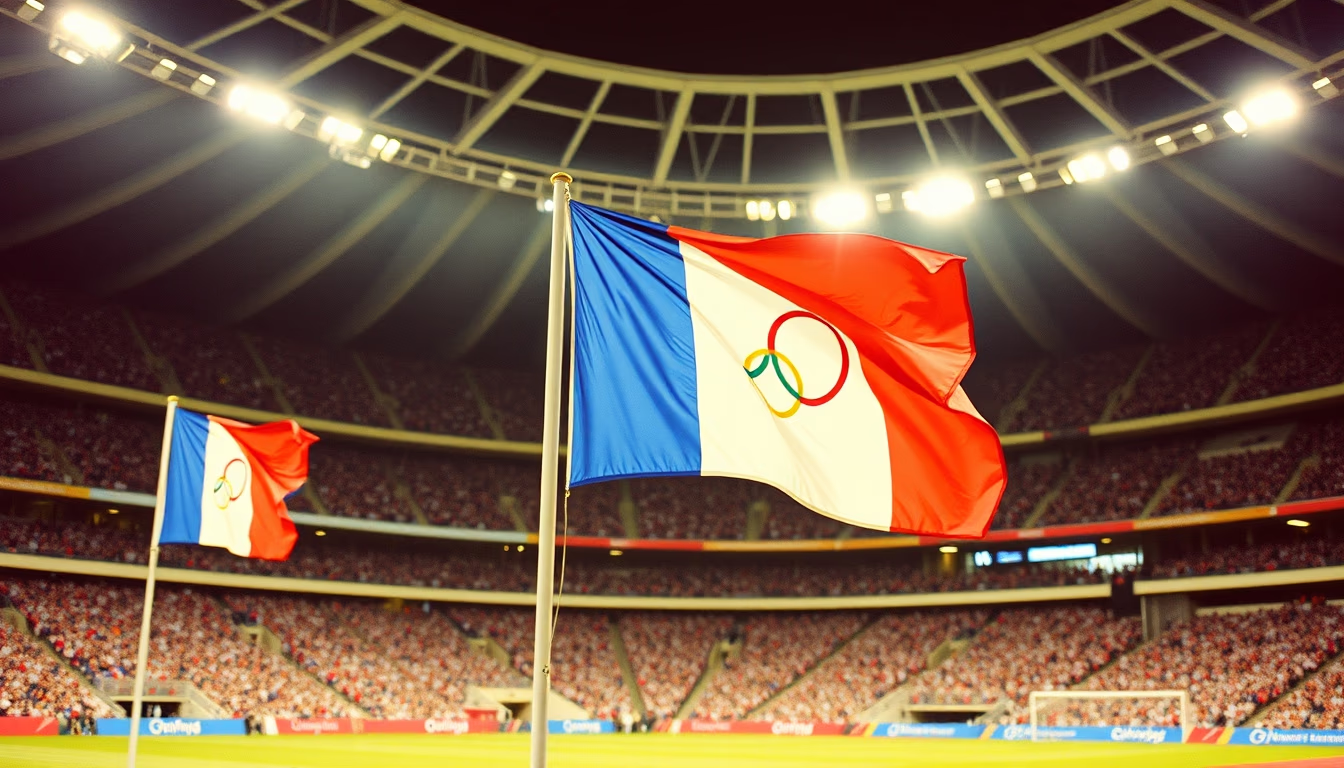
Olympic flags flown in stadiums symbolize global unity and the tradition of the Games, representing nations and the spirit of sports.
About this subject
Olympic flags are among the most recognizable symbols of the Olympic Games. At the center of each opening ceremony, the Olympic flag with its five interlocking rings is hoisted on the main mast of the stadium as the Olympic anthem plays. This tradition began at the 1920 Antwerp Games, when the first official Olympic flag was crafted and raised. Since then, every edition of the Games repeats the ritual, with the flag being passed from host city to host city during the closing ceremony.
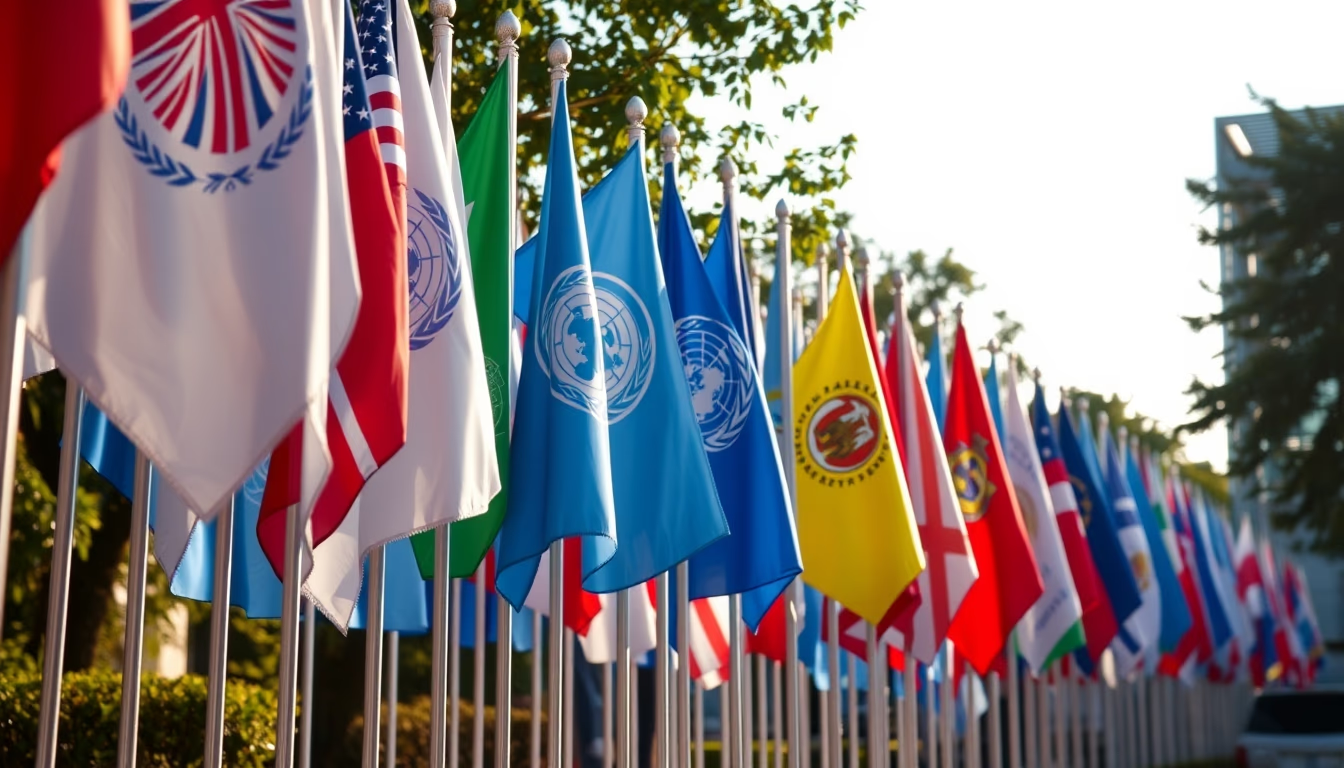
In addition to the Olympic flag, stadiums also display the national flags of all participating countries. During the Games, the flags of competing nations are raised on poles around the stadium or in specific areas such as the Olympic Village. This practice reinforces national identity and mutual respect among nations. At the podium, the flags of medalists are raised while the winner's national anthem is played, a moment of great emotion.
The parade of nations during the opening ceremony is another emblematic moment: each delegation carries its national flag, leading the athletes. The parade order follows traditions, starting with Greece (birthplace of the Games) and ending with the host country. The flags represent cultural diversity and the Olympic peace. Interestingly, the Olympic flag must never touch the ground, following a strict protocol of respect.
Iconic Olympic stadiums such as Maracanã (Rio 2016), Beijing National Stadium (2008), and Tokyo Olympic Stadium (2020) have hosted these rituals. The presence of flags transforms the environment into a symbol of global cooperation, reminding us of the Olympic purpose: to unite the world through sport.
Frequently Asked Questions
How many flags are raised during the Olympic Games?
The total number of flags corresponds to the number of participating countries, plus the Olympic flag and sometimes the flag of the International Olympic Committee (IOC). In 2020, there were 206 National Olympic Committees represented.
Why does Greece parade first in the opening ceremony?
Greece parades first because it is the birthplace of the ancient Olympic Games and the modern Games. This tradition honors the event's origin.
What does the symbol of five rings on the Olympic flag mean?
The five interlocking rings represent the five inhabited continents (Americas, Europe, Asia, Africa, and Oceania) and their union through sport. The colors (blue, yellow, black, green, and red) were chosen because they appear in all national flags at the time.
Direct URL
https://pub-c7d6a6ea828543ac903a74a341ccb2e1.r2.dev/imagens/olympic-flags-stadium-lo-fi-disposable-camera-fresh10.avifHow to credit
Include a visible link back to UtilizAí. Copy one of the snippets below:
<a href="https://xn--utiliza-eza.com/en/midia/imagens/olympic-flags-stadium-lo-fi-disposable-camera-fresh10">Olympic flags stadium</a> by <a href="https://xn--utiliza-eza.com">UtilizAí</a>, licensed under <a href="https://creativecommons.org/licenses/by/4.0/">CC BY 4.0</a>.
[Olympic flags stadium](https://xn--utiliza-eza.com/en/midia/imagens/olympic-flags-stadium-lo-fi-disposable-camera-fresh10) by [UtilizAí](https://xn--utiliza-eza.com), CC BY 4.0
License: CC-BY-4.0