Olympic flags stadium
1344×768 · AVIF · CC BY 4.0
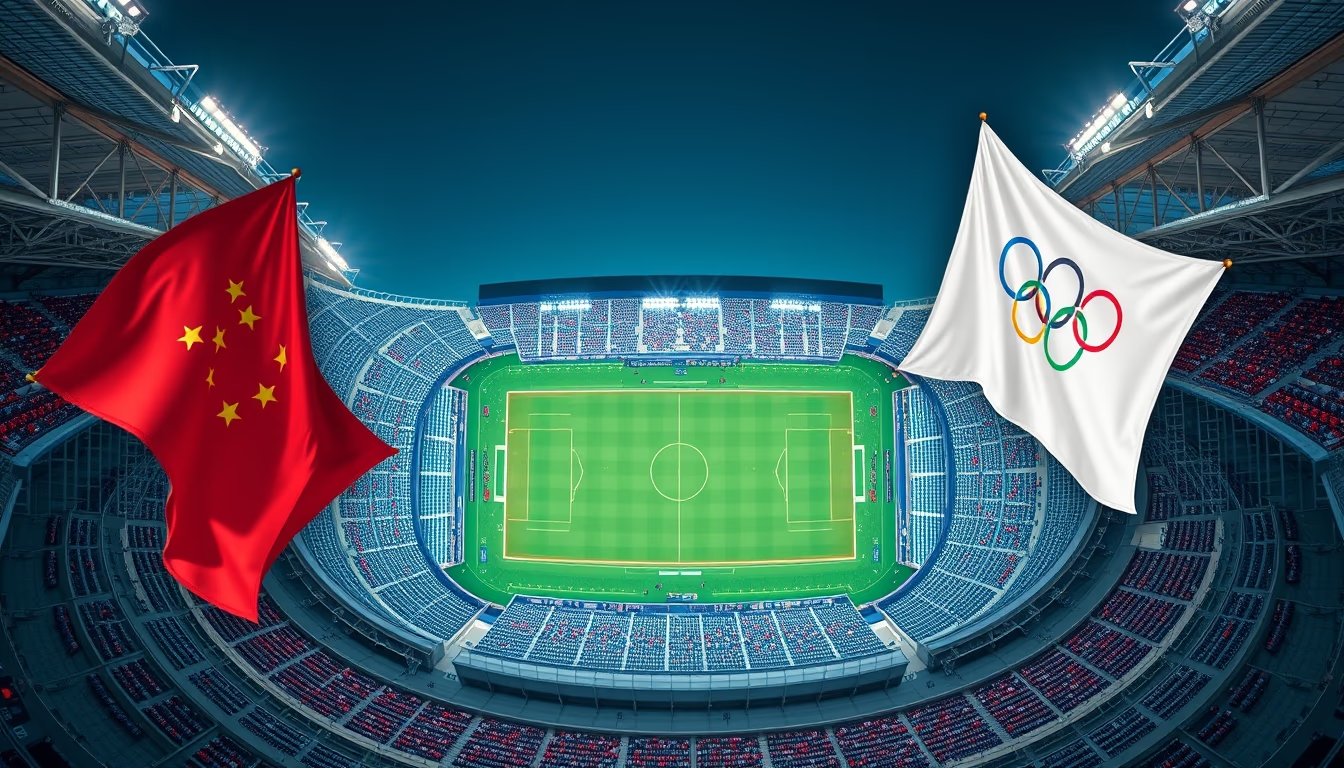
Olympic flags in the stadium represent the union of nations through sport, a symbol of peace and fair competition.
About this subject
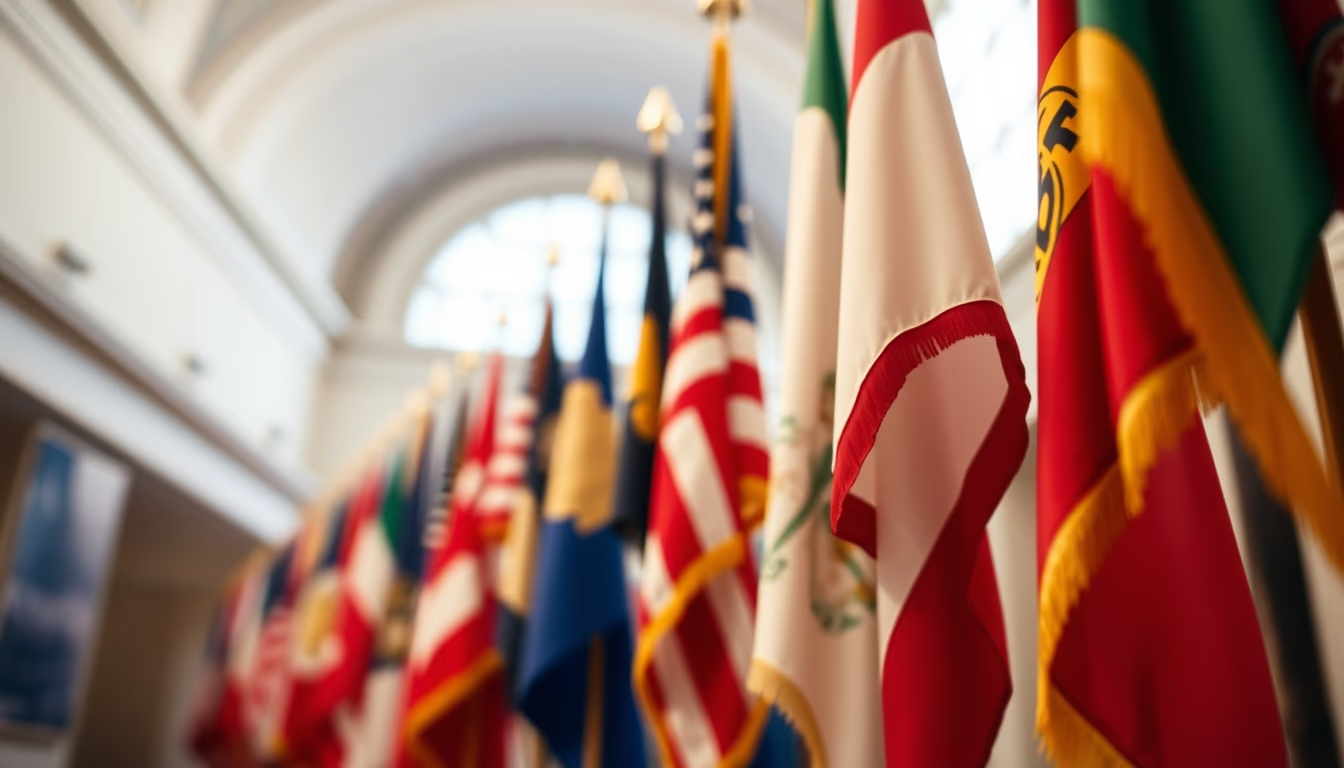
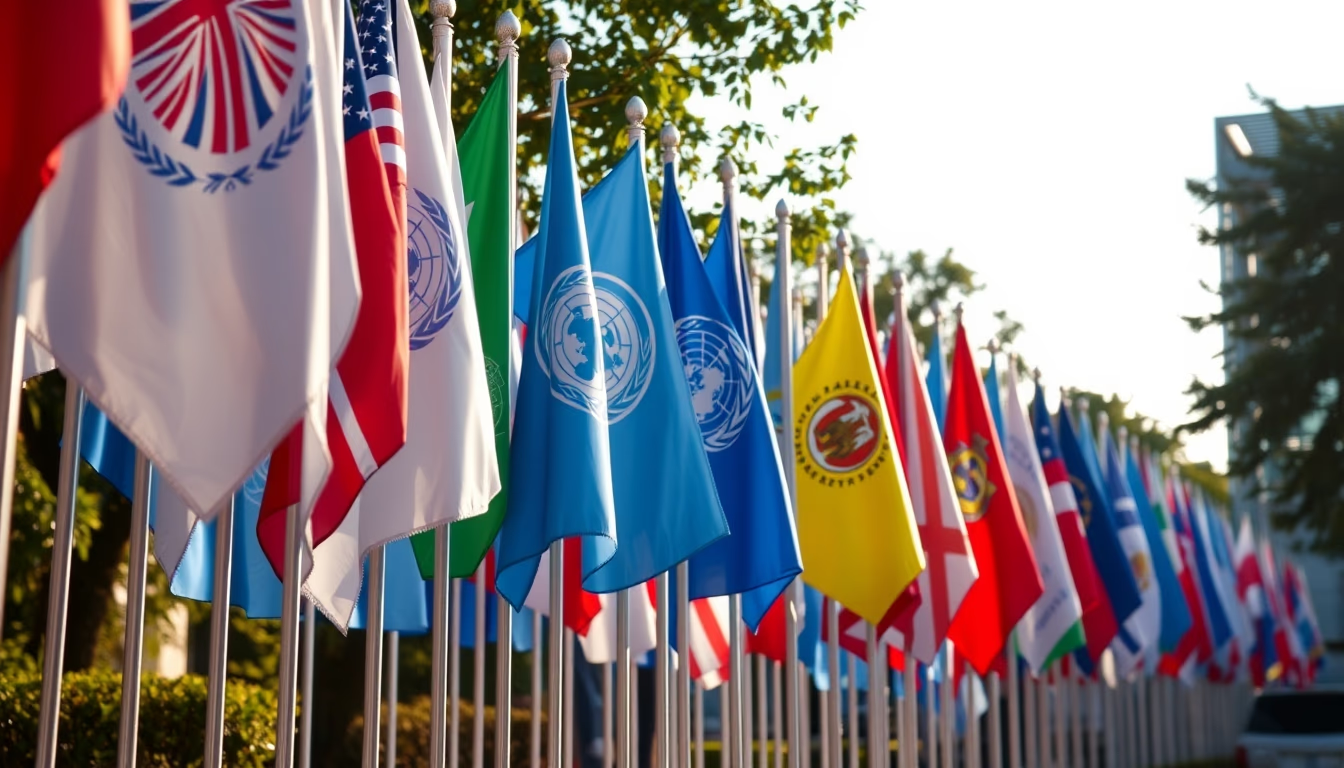
At the Olympic Games, the flags of participating countries are one of the most striking visual elements. During the opening ceremony, they parade in alphabetical order, except for the Greek flag, which leads the procession, and the host nation's flag, which closes it. This tradition dates back to 1908 at the London Games, when delegations first marched with their national flags. Today, over 200 nations are represented, each carrying its cultural and historical identity.
The flags remain hoisted in the stadium throughout the event, symbolizing the presence of each country. They are raised at victory moments, when the national anthem of the winner is played. The Olympic flag, with its five interlocking rings, is also displayed, representing the five continents and the spirit of unity. At each edition of the Games, the closing ceremony includes the lowering of the Olympic flag and its handover to the next host city.
The display of flags is regulated by the International Olympic Committee (IOC), which establishes standards for size, order, and protocol. Any error or omission is taken seriously, as flags are seen as symbols of sovereignty and respect. In 2016 in Rio de Janeiro, for instance, the flag of Syria was mistakenly replaced by that of Saudi Arabia during an event, leading to a swift correction and apology.
Beyond the ceremonial aspect, Olympic flags also have strong visual appeal and are widely photographed and shared on social media. They create a visual identity that transcends language barriers, communicating diversity and unity. In modern stadiums, flags are arranged on poles atop the upper ring or on temporary structures, forming a colorful arc that moves athletes and spectators alike.
Frequently Asked Questions
Why does the Greek flag lead the parade of nations?
As a tribute to the birthplace of the ancient Olympic Games, Greece always marches first, regardless of alphabetical order.
How many flags are raised in Olympic stadiums?
The number varies by participants, but typically all represented National Olympic Committees have their flags hoisted, often over 200.
What happens to the flags after the Olympic Games?
National flags are returned to delegations or kept by the organizing committee. The Olympic flag is handed over to the next host city.
Direct URL
https://pub-c7d6a6ea828543ac903a74a341ccb2e1.r2.dev/imagens/olympic-flags-stadium-isometric-flat-lay-fresh13.avifHow to credit
Include a visible link back to UtilizAí. Copy one of the snippets below:
<a href="https://xn--utiliza-eza.com/en/midia/imagens/olympic-flags-stadium-isometric-flat-lay-fresh13">Olympic flags stadium</a> by <a href="https://xn--utiliza-eza.com">UtilizAí</a>, licensed under <a href="https://creativecommons.org/licenses/by/4.0/">CC BY 4.0</a>.
[Olympic flags stadium](https://xn--utiliza-eza.com/en/midia/imagens/olympic-flags-stadium-isometric-flat-lay-fresh13) by [UtilizAí](https://xn--utiliza-eza.com), CC BY 4.0
License: CC-BY-4.0