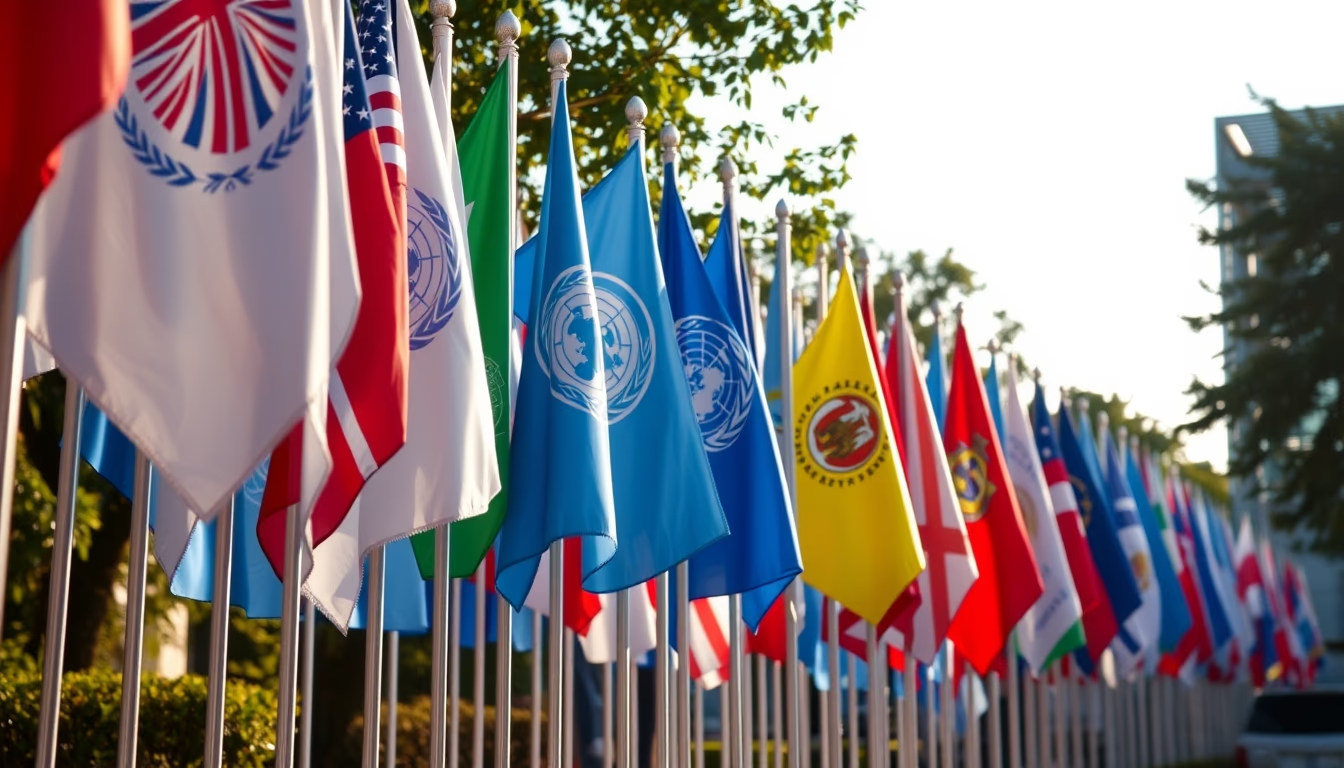
Olympic flags stadium
1344×768 · AVIF · CC BY 4.0

Bandeiras olímpicas hasteadas em estádios simbolizam a união das nações durante os Jogos, carregando séculos de tradição e significado.
Sobre o tema
As bandeiras olímpicas são um dos símbolos mais reconhecíveis do evento, representando os cinco continentes e o espírito de competição pacífica. Criadas por Pierre de Coubertin em 1913, as cinco argolas entrelaçadas em fundo branco foram hasteadas pela primeira vez nos Jogos de Antuérpia em 1920. Dentro dos estádios, a bandeira oficial dos Jogos é içada durante a cerimônia de abertura e permanece até o encerramento, enquanto as bandeiras nacionais dos países participantes tremulam nas arquibancadas e mastros, criando um mosaico de cores que reflete a diversidade global.
O protocolo de bandeiras em estádios olímpicos segue regras rigorosas do Comitê Olímpico Internacional (COI). Durante a premiação, a bandeira do país vencedor é elevada ao som do hino nacional, enquanto as dos segundo e terceiro colocados também são hasteadas. Curiosidade: em 1968, na Cidade do México, o protesto dos atletas americanos Tommie Smith e John Carlos durante o hino tornou o ato de levantar bandeiras um marco político. Nos Jogos de Tóquio 2020, realizado em 2021 devido à pandemia, o COI alterou regras para permitir que atletas celebrassem livremente, mas a cerimônia de bandeiras manteve sua solenidade.
A escolha do local para os mastros também é estratégica. Normalmente posicionados no centro do gramado ou em uma área elevada, eles garantem visibilidade para todos os espectadores. Em estádios temporários, como os usados nos Jogos Rio 2016, as bandeiras foram fixadas em estruturas modulares para resistir a ventos. A maior bandeira olímpica já fabricada mediu 1.620 metros quadrados e foi usada na abertura dos Jogos de Inverno de Sochi 2014, exigindo mais de 70 pessoas para içá-la.
Além da bandeira oficial, cada edição dos Jogos possui uma bandeira específica que passa de uma cidade-sede para a próxima. Por exemplo, a bandeira de Tóquio foi entregue a Paris durante a cerimônia de encerramento de 2020. Esse ritual simboliza a continuidade do movimento olímpico e a passagem do testemunho entre culturas. Nos estádios, a presença de múltiplas bandeiras também serve para educar o público sobre geografia e promover respeito entre nações, valores centrais do olimpismo.
Perguntas frequentes
Quantas bandeiras são hasteadas em um estádio olímpico durante os Jogos?
Normalmente, são hasteadas as bandeiras de todos os países participantes, além da bandeira olímpica e, por vezes, do país anfitrião. O número exato varia conforme a edição, mas pode ultrapassar 200 bandeiras.
Qual é o significado das cinco argolas na bandeira olímpica?
As cinco argolas entrelaçadas representam os cinco continentes habitados: África, Américas, Ásia, Europa e Oceania. As cores (azul, amarelo, preto, verde e vermelho) foram escolhidas porque ao menos uma delas aparece em todas as bandeiras nacionais da época.
A bandeira olímpica é sempre a mesma em todas as edições dos Jogos?
Existe uma bandeira oficial com o símbolo das argolas, mas cada edição pode ter seu próprio design, incorporando elementos locais. Além disso, uma bandeira específica é passada da cidade-sede anterior para a atual.
URL direta
https://pub-c7d6a6ea828543ac903a74a341ccb2e1.r2.dev/imagens/olympic-flags-stadium-documentary-photography-fresh17.avifComo creditar
Inclua um link visível de volta pro UtilizAí. Copie um dos snippets abaixo:
<a href="https://xn--utiliza-eza.com/midia/imagens/olympic-flags-stadium-documentary-photography-fresh17">Olympic flags stadium</a> by <a href="https://xn--utiliza-eza.com">UtilizAí</a>, licensed under <a href="https://creativecommons.org/licenses/by/4.0/">CC BY 4.0</a>.
[Olympic flags stadium](https://xn--utiliza-eza.com/midia/imagens/olympic-flags-stadium-documentary-photography-fresh17) by [UtilizAí](https://xn--utiliza-eza.com), CC BY 4.0
Licença: CC-BY-4.0