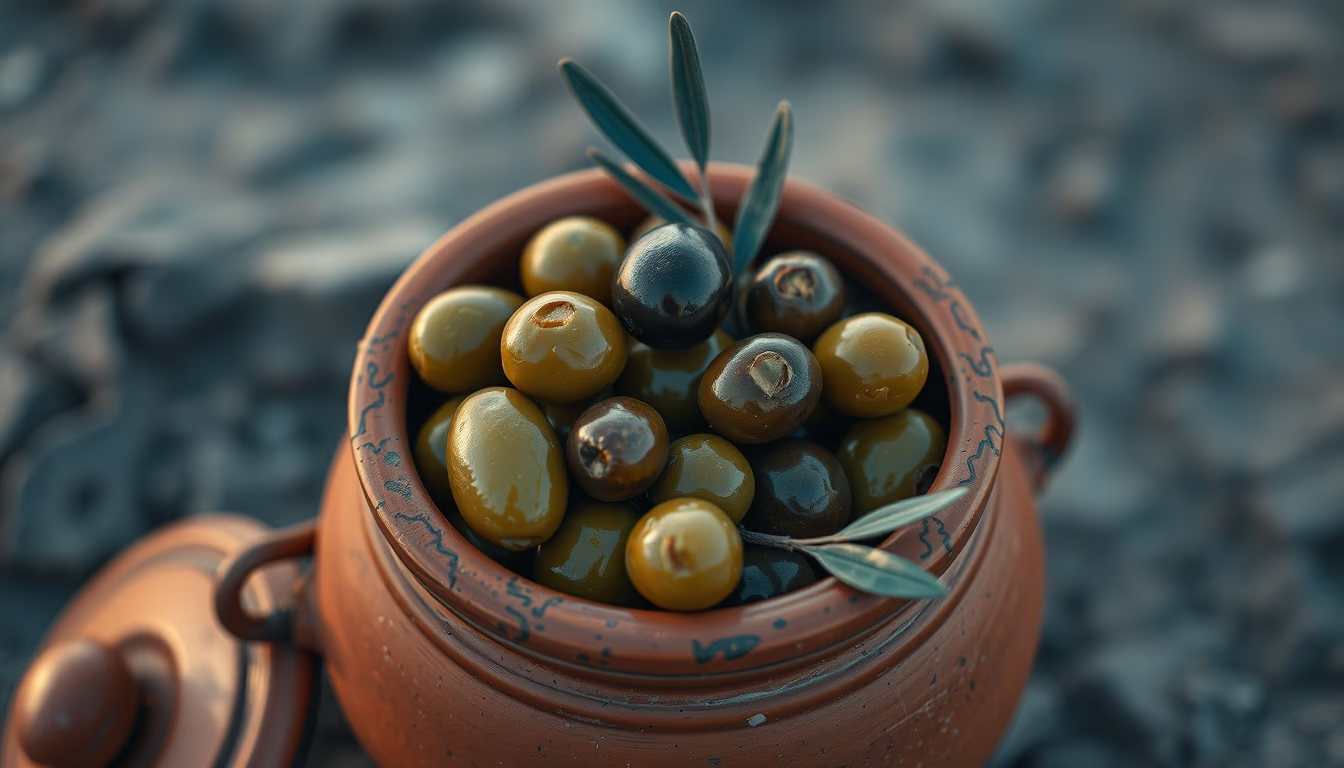
Olives in clay jar
1344×768 · AVIF · CC BY 4.0
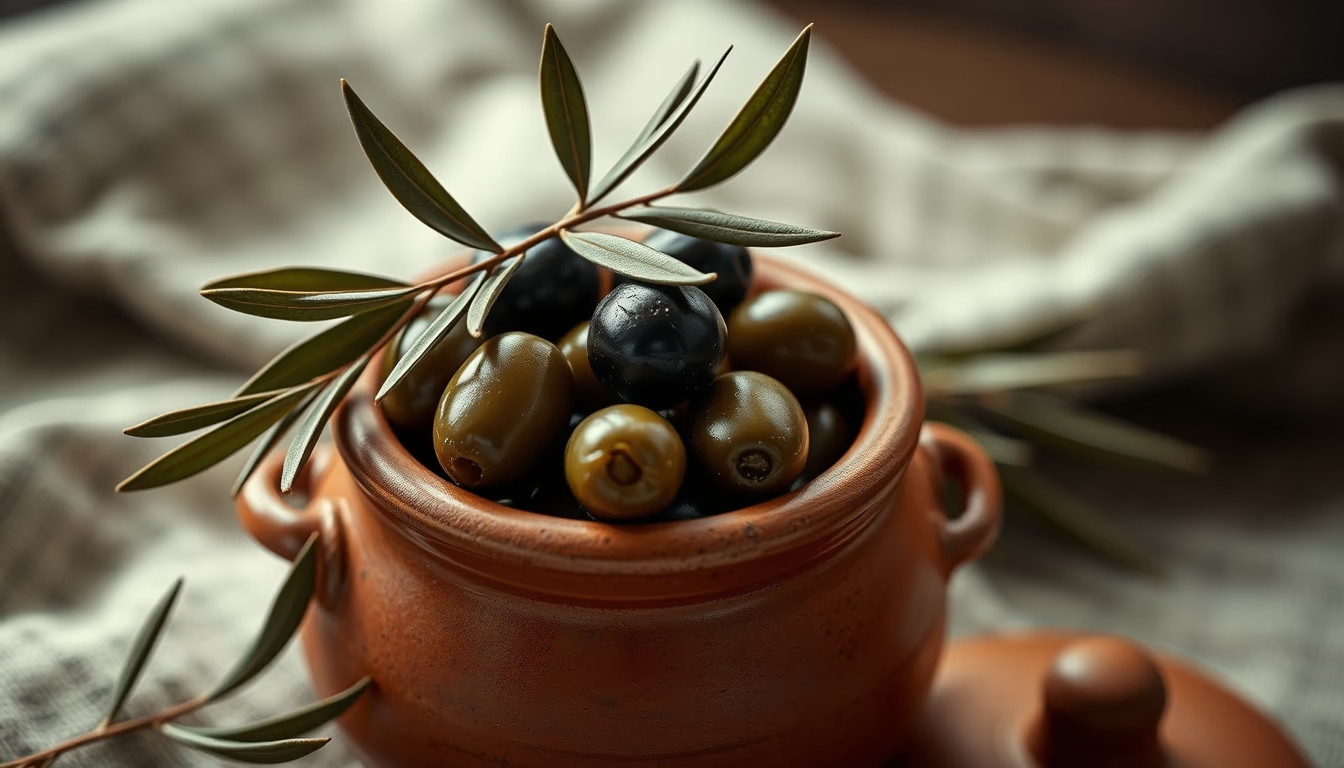
Olives in clay jars preserve flavor and ancient tradition across the Mediterranean and beyond.
About this subject
Preserving olives in clay jars is a practice dating back over 5,000 years, especially in Mediterranean regions such as Greece, Italy, Turkey, and Morocco. The porous nature of clay allows gas exchange, promoting slow, natural fermentation that results in a more complex and less bitter flavor. Unlike glass or plastic containers, clay maintains a stable temperature, crucial for beneficial microorganisms to thrive.
Before storage, olives undergo a curing process that may involve brine, water, or dry salt. The olive variety also plays a role: Greek Kalamata, Italian Taggiasca, or Spanish Manzanilla are often cured in clay to enhance their characteristics. In many rural households, the technique is passed down through generations, with each family having its own secret blend of herbs, garlic, and lemon peels.
Beyond culinary value, clay jars hold cultural significance. In some regions, they are decorated with traditional patterns and used as decorative pieces. The clay itself varies: red clay from the Algarve, Moroccan stoneware, or Italian terracotta. Artisanal production of these jars also sustains pottery communities. Today, there is a renewed interest in ancestral preservation methods, driven by movements like slow food and organic eating.
Interesting fact: on the Greek island of Crete, olives cured in clay jars were traditionally buried in the ground to maintain a constant temperature, a practice still found in some villages. The combination of clay's microporosity and controlled salinity prevents unwanted fungi, creating an ideal environment for lactic fermentation.
Frequently Asked Questions
Why use clay jars to preserve olives?
Clay allows gas exchange and maintains a stable temperature, promoting natural fermentation and enhancing flavor.
How long can olives last in a clay jar?
They can last for months to years, depending on salinity and temperature, if stored in a cool, dark place.
What kind of clay jar is best for olives?
Both glazed and unglazed clay jars work; unglazed ones require sealing with oil or paraffin to prevent contamination.
Direct URL
https://pub-c7d6a6ea828543ac903a74a341ccb2e1.r2.dev/imagens/olives-in-clay-jar-high-fashion-editorial-p0.avifHow to credit
Include a visible link back to UtilizAí. Copy one of the snippets below:
<a href="https://xn--utiliza-eza.com/en/midia/imagens/olives-in-clay-jar-high-fashion-editorial-p0">Olives in clay jar</a> by <a href="https://xn--utiliza-eza.com">UtilizAí</a>, licensed under <a href="https://creativecommons.org/licenses/by/4.0/">CC BY 4.0</a>.
[Olives in clay jar](https://xn--utiliza-eza.com/en/midia/imagens/olives-in-clay-jar-high-fashion-editorial-p0) by [UtilizAí](https://xn--utiliza-eza.com), CC BY 4.0
License: CC-BY-4.0