Olives in clay jar
1344×768 · AVIF · CC BY 4.0
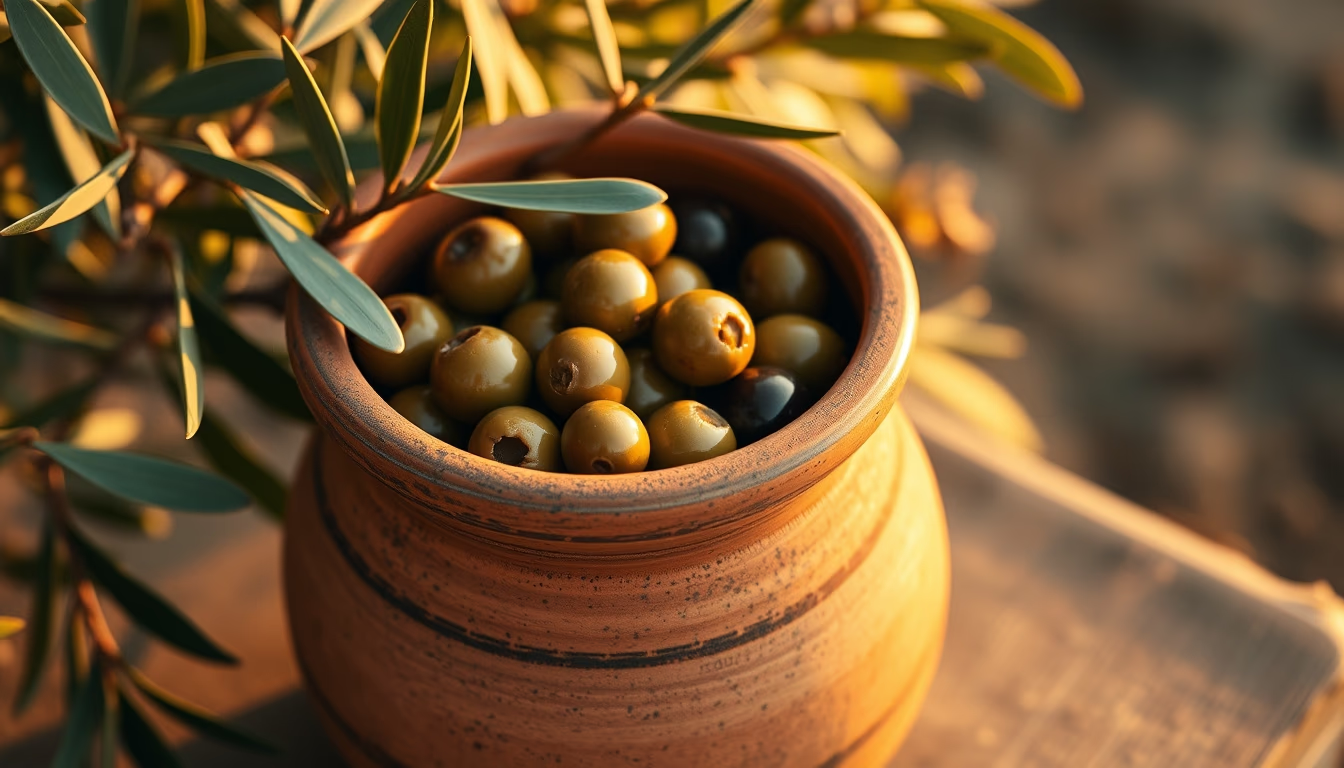
Olives preserved in clay jars, a traditional method that enhances flavor and preserves natural texture.
About this subject
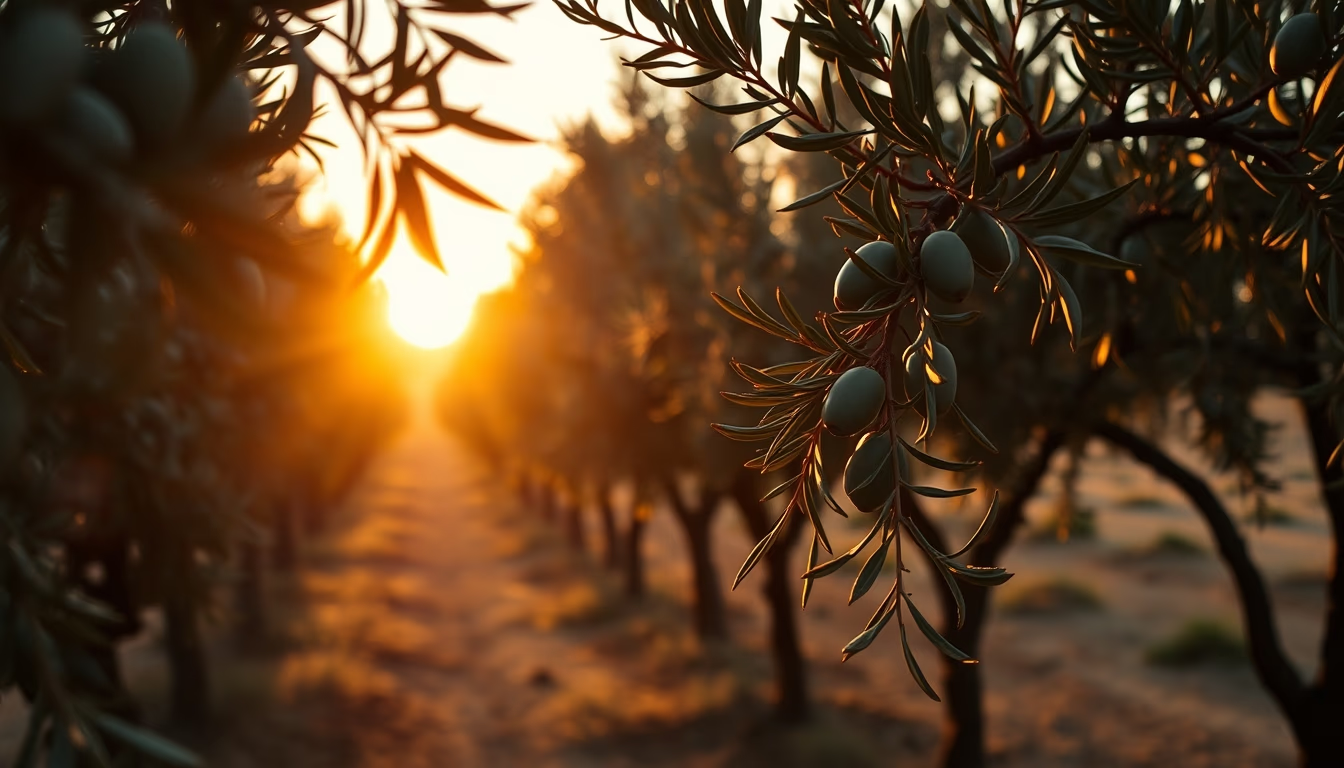
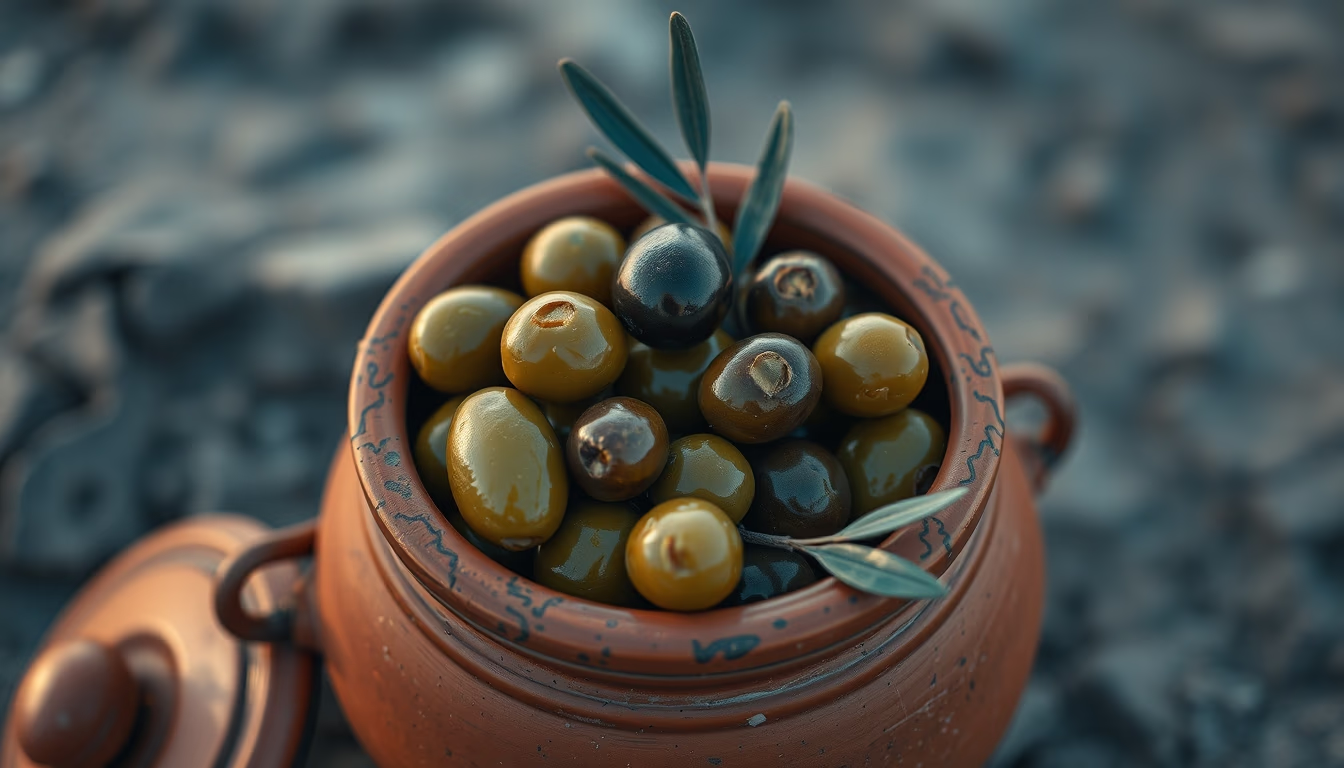
Olives are the fruit of the olive tree (Olea europaea), cultivated for millennia in the Mediterranean and now also in Brazil, especially in Rio Grande do Sul and Minas Gerais. Before consumption, they undergo a curing process to remove bitterness, often preserved in brine, oil, or vinegar. The use of clay jars is an ancient technique that brings advantages: clay is porous, allowing controlled breathing and preventing mold growth, while maintaining stable temperature, ideal for slow fermentations.
Storing olives in clay jars enhances flavor because the material does not chemically interfere and allows subtle gas exchanges that develop aroma and texture. In Brazil, this practice stems from Portuguese influence, common in artisanal olive oil production regions. Such cured olives are often seasoned with herbs like rosemary, bay leaf, and pepper, becoming a typical snack at fairs and specialty stores.
Nutritionally, olives are rich in monounsaturated fats, vitamin E, and antioxidants. When stored in clay jars, they retain these properties for months if covered with liquid (brine or oil) and kept in a cool, dark place. The texture remains firm and meaty, contrasting with canned versions. The clay jar tradition also aligns with sustainability, reusing natural containers and avoiding plastics.
For enthusiasts, opening a clay jar of olives releases fermented aromas and complex flavors, a result of beneficial microorganisms. It is a cultural heritage that resists industrialization, valued by chefs and artisanal producers. The choice of clay is not random: studies show that unglazed ceramics can enrich food with minerals like calcium and magnesium, depending on the clay source.
Frequently Asked Questions
How to properly store olives in a clay jar?
Cured olives should be fully immersed in brine (water with salt) or olive oil, ensuring no contact with air. The clay jar must be clean and dry before use, and kept in a cool, dark place like a pantry. Replace the brine every 30 days for long-term storage.
How long do olives last in a clay jar?
When stored correctly in brine and a cool place, olives can last 6 months to 1 year. In oil, the shelf life is shorter, about 3 to 6 months, due to possible oxidation. Always check for mold or off smells before consuming.
What is the flavor difference between clay jar olives and canned ones?
Clay jar olives have a more complex flavor and firmer texture due to slow fermentation and lack of artificial preservatives. Canned olives are pasteurized, which can make them softer and less flavorful. The clay also imparts a slight earthy note.
Direct URL
https://pub-c7d6a6ea828543ac903a74a341ccb2e1.r2.dev/imagens/olives-in-clay-jar-cinematic-wide-shot-p10.avifHow to credit
Include a visible link back to UtilizAí. Copy one of the snippets below:
<a href="https://xn--utiliza-eza.com/en/midia/imagens/olives-in-clay-jar-cinematic-wide-shot-p10">Olives in clay jar</a> by <a href="https://xn--utiliza-eza.com">UtilizAí</a>, licensed under <a href="https://creativecommons.org/licenses/by/4.0/">CC BY 4.0</a>.
[Olives in clay jar](https://xn--utiliza-eza.com/en/midia/imagens/olives-in-clay-jar-cinematic-wide-shot-p10) by [UtilizAí](https://xn--utiliza-eza.com), CC BY 4.0
License: CC-BY-4.0