Olive tree blossoms spring
1344×768 · AVIF · CC BY 4.0
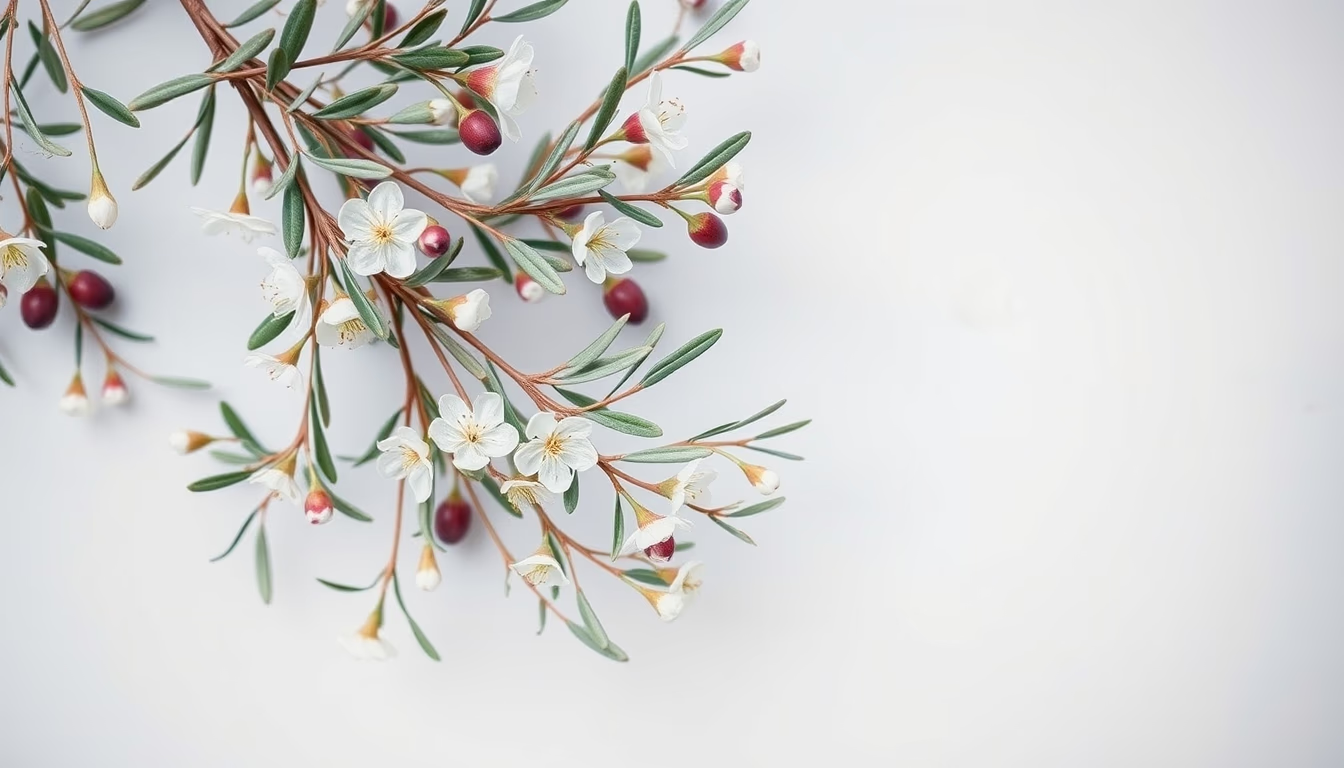
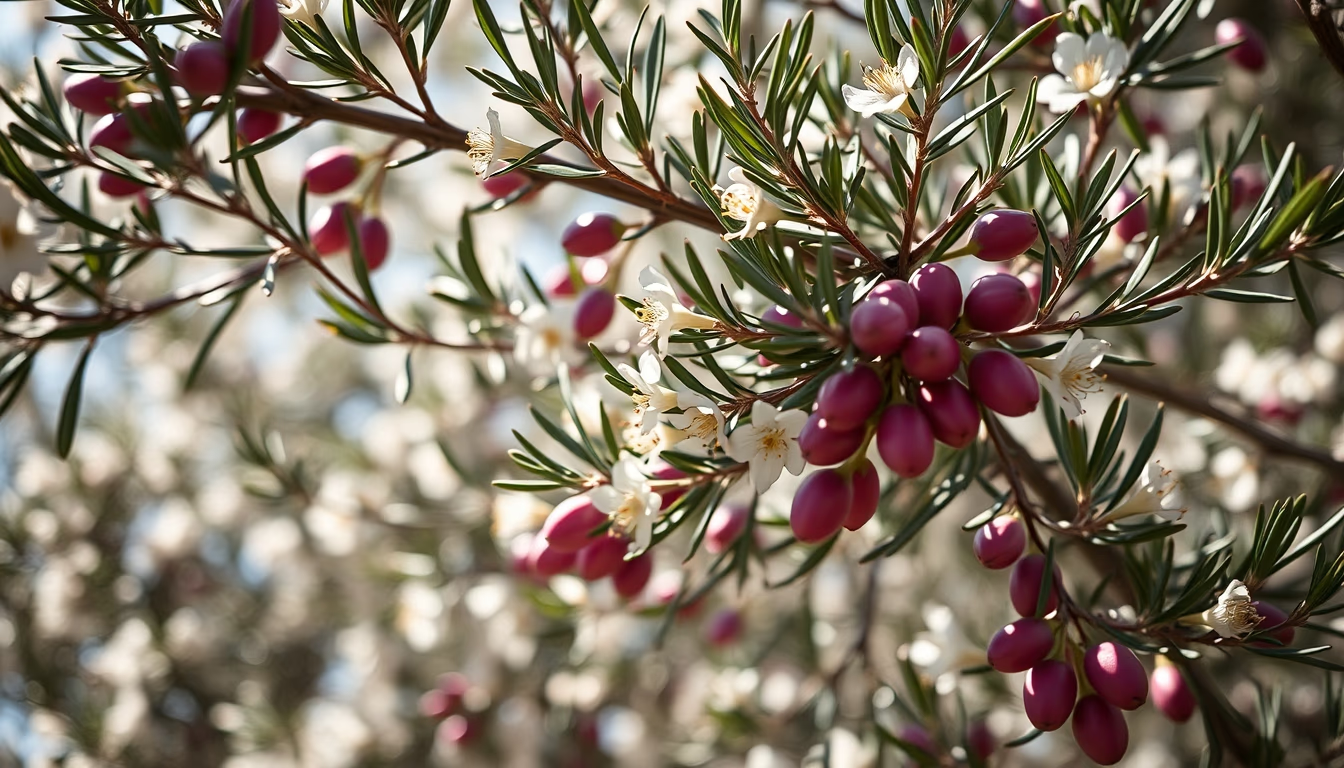
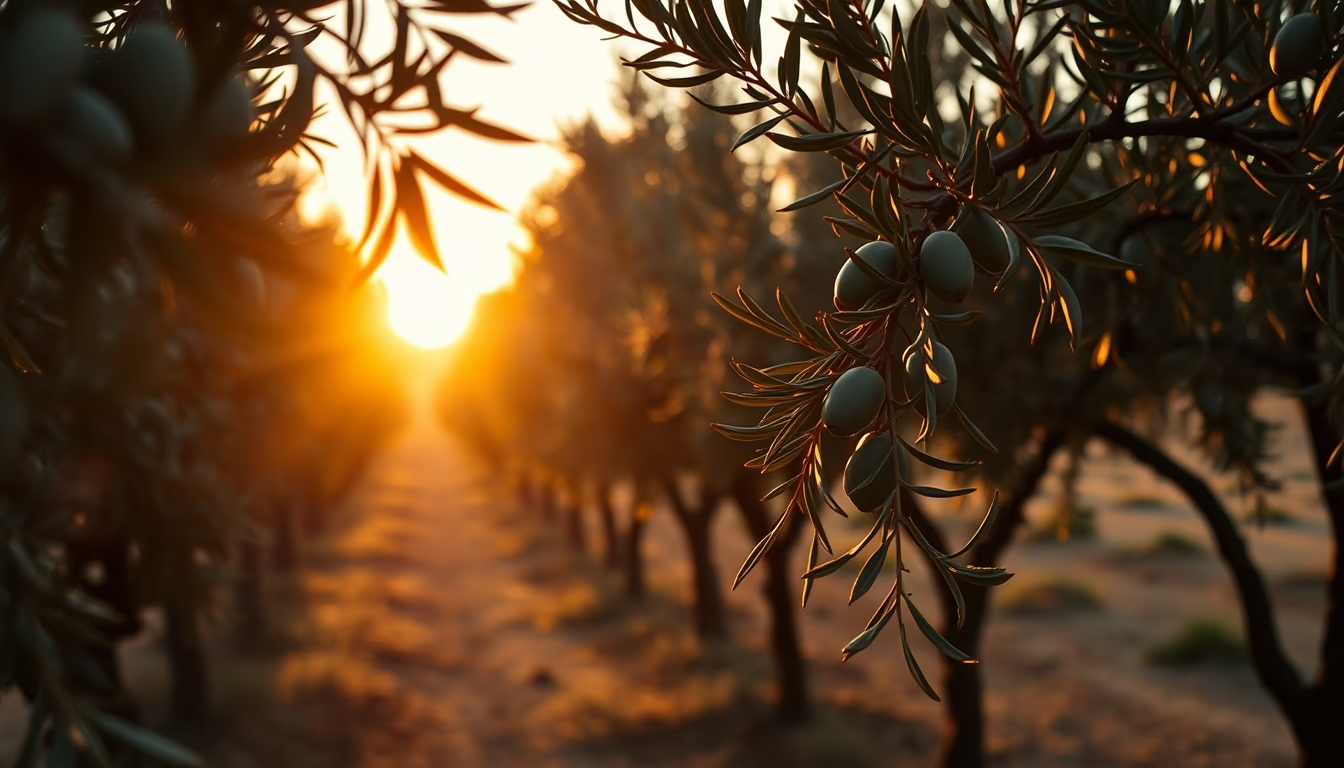
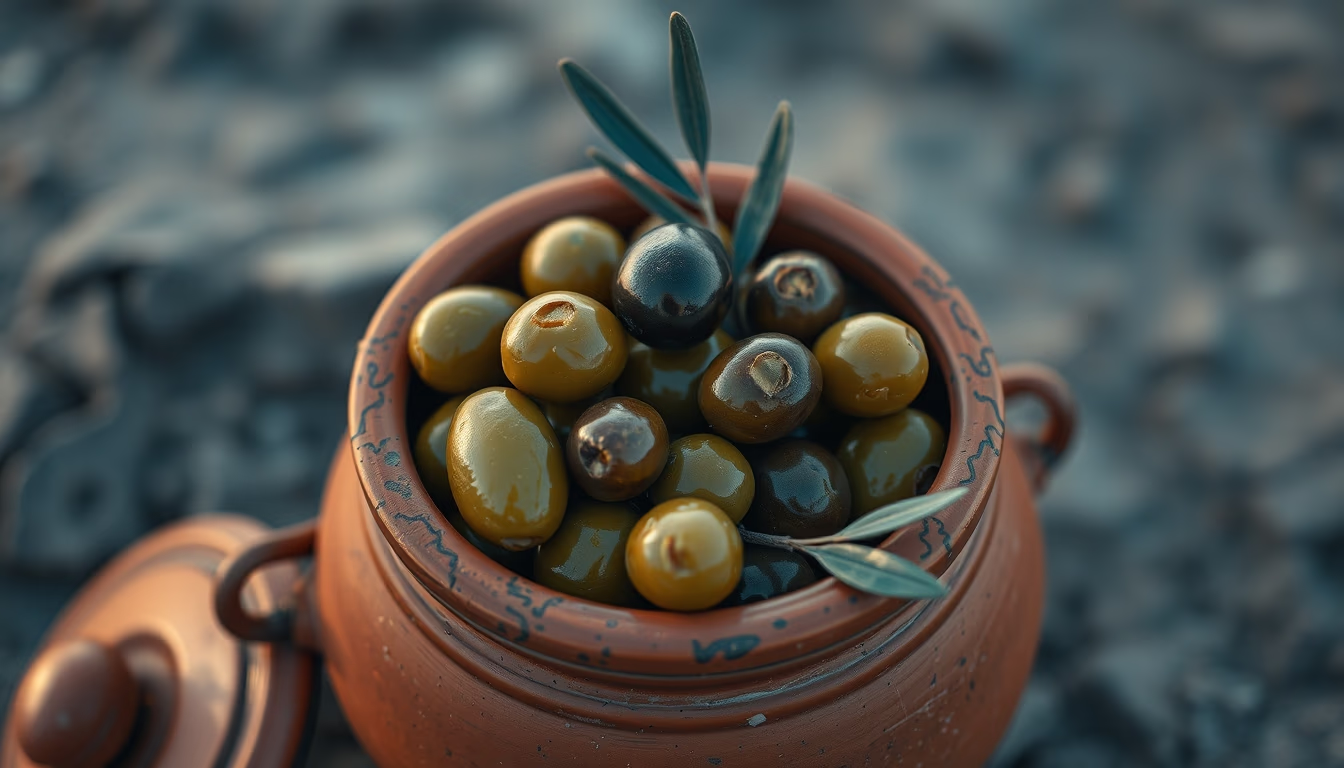
Olive trees bloom in spring, a crucial event for olive oil production that marks the beginning of the agricultural cycle in the Mediterranean.
About this subject
The olive tree (Olea europaea) is an evergreen tree native to the Mediterranean region, cultivated for millennia for olives and oil. Its flowering occurs in spring, typically from April to June in the Northern Hemisphere, depending on variety and climate. The flowers are small, white, and hermaphroditic, clustered in panicles. Pollination is mainly wind-driven (anemophilous), though insects can also assist. The flowering period is short, lasting about two to three weeks, and is highly sensitive to extreme temperatures and rain, which can affect fruit set.
The economic importance of olive flowering is immense. Olive oil production, a multi-billion dollar industry, depends on successful pollination and fruit development. A heavy bloom, followed by favorable weather, leads to high yields. Major producers include Spain, Italy, Greece, Portugal, and Tunisia, while cultivation has expanded to California, Chile, and Australia. In Brazil, olive farming is recent, concentrated in states like Rio Grande do Sul, Minas Gerais, and São Paulo, where altitude and temperate climate are suitable.
Culturally, the olive tree symbolizes peace, wisdom, and prosperity. In Greek mythology, Athena gifted Athens an olive tree, and its branches crowned Olympic victors. Flowering is celebrated in local festivals in Europe, such as Italy's Olive Flower Festival. Agronomically, management practices like pruning, controlled irrigation, and fertilization optimize bloom. Climate change poses a threat, as higher temperatures and droughts reduce flower viability and productivity.
Remarkably, olive trees can live for centuries and keep blooming. Some trees in the Mediterranean are over 2,000 years old and still bear fruit. The olive flower serves as an indicator of tree health and agricultural ecosystem vitality. Recent studies indicate that air pollutants can lower pollination rates, highlighting the importance of air quality for agriculture.
Frequently Asked Questions
When do olive trees bloom in the Southern Hemisphere?
In the Southern Hemisphere, such as in Brazil, olive trees bloom between September and November, during spring, depending on altitude and latitude.
How does olive tree pollination occur?
Pollination is mainly anemophilous (wind-driven). The flowers produce abundant lightweight pollen that is dispersed by the wind. Insects may visit but are not essential.
What factors affect olive tree flowering?
Extreme temperatures, late frosts, heavy rain, strong winds, and drought can harm flowering. Proper nutrition and pruning encourage abundant blooms.
Direct URL
https://pub-c7d6a6ea828543ac903a74a341ccb2e1.r2.dev/imagens/olive-tree-blossoms-spring-isometric-flat-lay-p3.avifHow to credit
Include a visible link back to UtilizAí. Copy one of the snippets below:
<a href="https://xn--utiliza-eza.com/en/midia/imagens/olive-tree-blossoms-spring-isometric-flat-lay-p3">Olive tree blossoms spring</a> by <a href="https://xn--utiliza-eza.com">UtilizAí</a>, licensed under <a href="https://creativecommons.org/licenses/by/4.0/">CC BY 4.0</a>.
[Olive tree blossoms spring](https://xn--utiliza-eza.com/en/midia/imagens/olive-tree-blossoms-spring-isometric-flat-lay-p3) by [UtilizAí](https://xn--utiliza-eza.com), CC BY 4.0
License: CC-BY-4.0