Olive oil tasting glasses
1344×768 · AVIF · CC BY 4.0
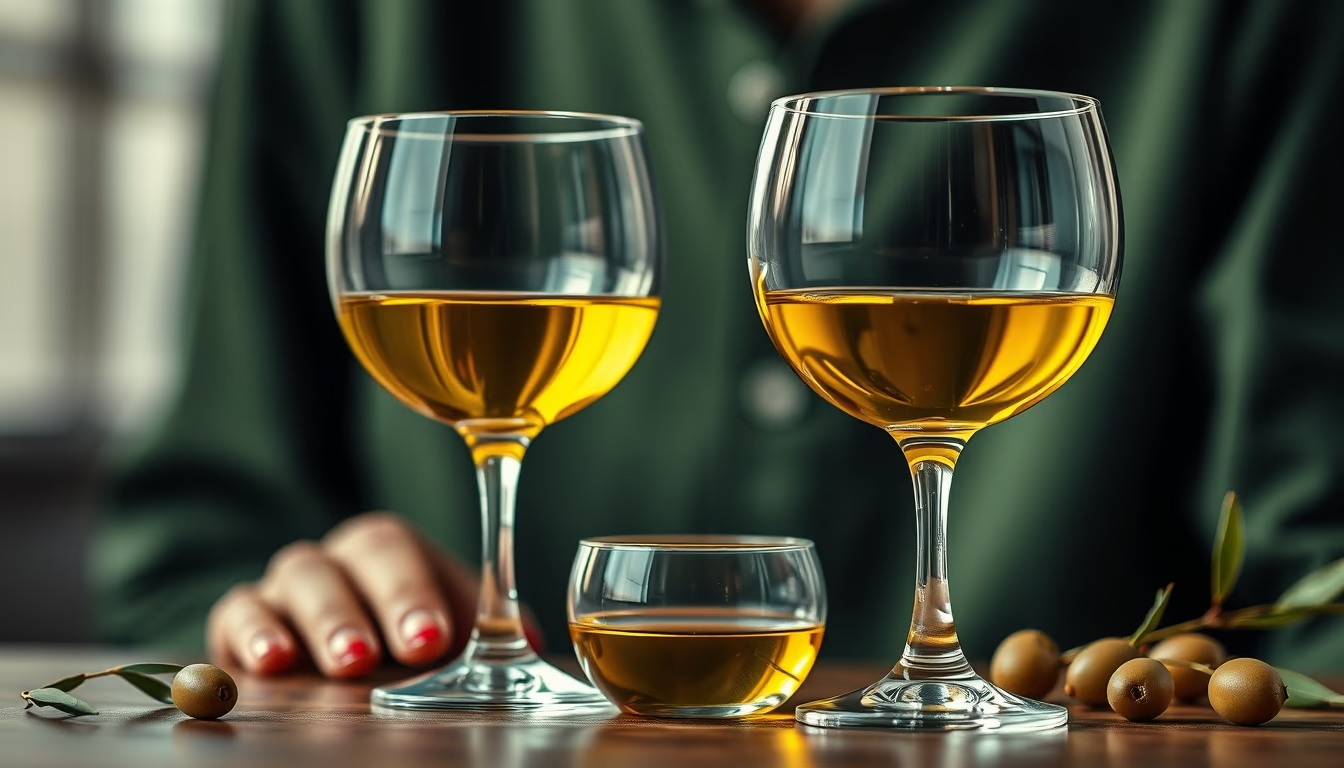
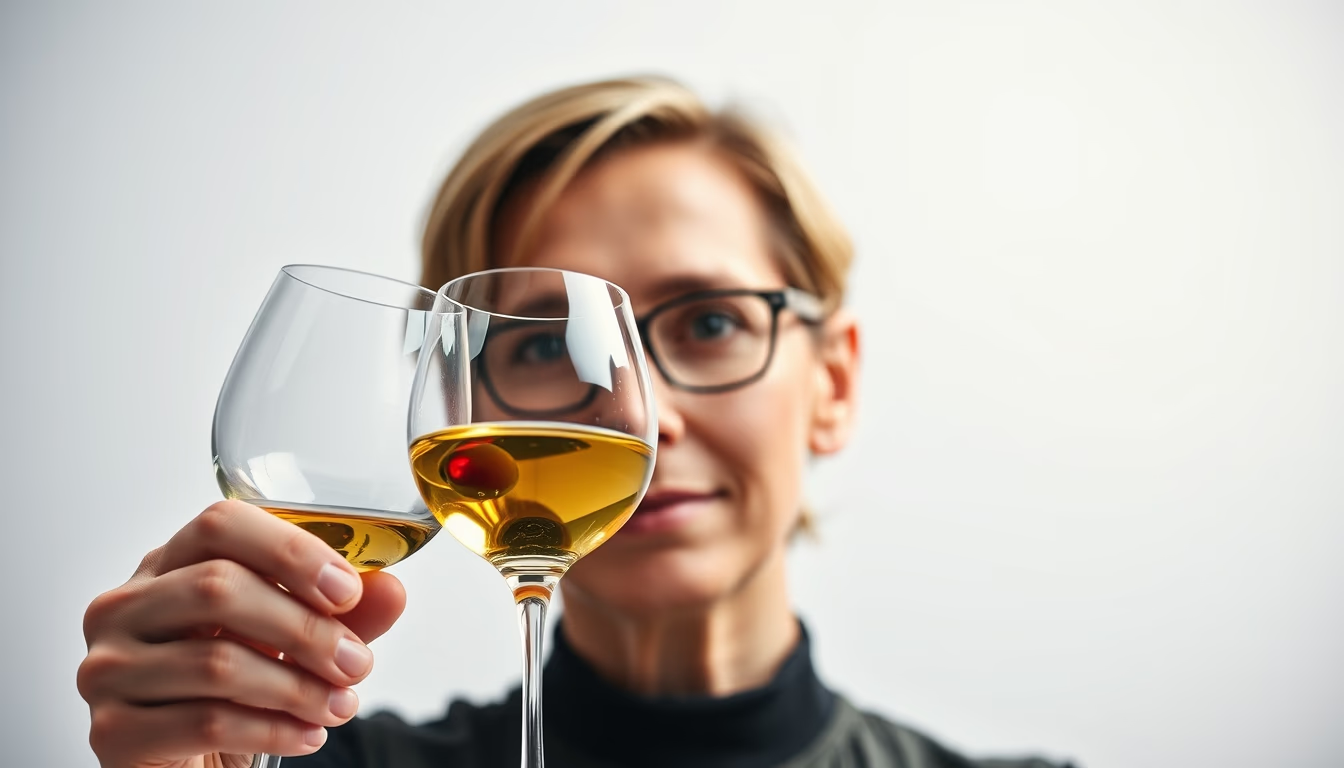
Olive oil tasting glasses: functional design that enhances aromas and flavors, essential for professional evaluation of extra virgin olive oils.
About this subject
Olive oil tasting glasses, also known as tasting cups, are calibrated instruments for sensory analysis of olive oils. Unlike regular glasses, their tulip or inverted globe shape concentrates volatile compounds, allowing tasters to identify fruity, bitter, and pungent notes. Usually made of amber or cobalt blue glass, they block UV light that degrades oil, preserving organoleptic properties during tasting.
The standardized design follows International Olive Council (IOC) norms. A typical glass holds 100 to 150 ml, with a short stem and wide base to avoid hand warming. The thin rim facilitates lip contact, and the edge shape directs oil to the correct taste buds. According to the IOC, blue or amber color prevents the taster from being influenced by oil hue, ensuring impartiality.
In Brazil, olive oil tasting culture is growing alongside olive farming in Rio Grande do Sul, Minas Gerais, and Serra da Mantiqueira. Associations like BrOlivas promote sensory analysis courses using these glasses. Interestingly, similar technology is adapted for cachaça and whiskey tastings, but with different wall angles. In international competitions, each sample is served in a numbered glass at controlled temperature (25, 28°C).
Beyond professional use, these glasses appear in gastronomic events and premium bottles. Brands like Riedel and Lehmann produce specific olive oil models. The tradition dates back to ancient Greek olive growers who used clay bowls. Today, high-fashion design merges functionality and aesthetics, with glasses resembling glass sculptures.
Frequently Asked Questions
Why are olive oil tasting glasses blue or amber?
The color blocks UV light, which degrades the oil, and prevents tasters from judging by the oil's hue, ensuring impartial sensory evaluation.
What is the standard capacity of an olive oil tasting glass?
Typically between 100 and 150 ml, with a shape that concentrates aromas and avoids hand warming via a short stem and wide base.
Can I use wine glasses for olive oil tasting?
Not recommended, as the open shape of wine glasses disperses volatiles. Purpose-built olive oil glasses have a closed curve that retains aromas.
Direct URL
https://pub-c7d6a6ea828543ac903a74a341ccb2e1.r2.dev/imagens/olive-oil-tasting-glasses-high-fashion-editorial-p1.avifHow to credit
Include a visible link back to UtilizAí. Copy one of the snippets below:
<a href="https://xn--utiliza-eza.com/en/midia/imagens/olive-oil-tasting-glasses-high-fashion-editorial-p1">Olive oil tasting glasses</a> by <a href="https://xn--utiliza-eza.com">UtilizAí</a>, licensed under <a href="https://creativecommons.org/licenses/by/4.0/">CC BY 4.0</a>.
[Olive oil tasting glasses](https://xn--utiliza-eza.com/en/midia/imagens/olive-oil-tasting-glasses-high-fashion-editorial-p1) by [UtilizAí](https://xn--utiliza-eza.com), CC BY 4.0
License: CC-BY-4.0