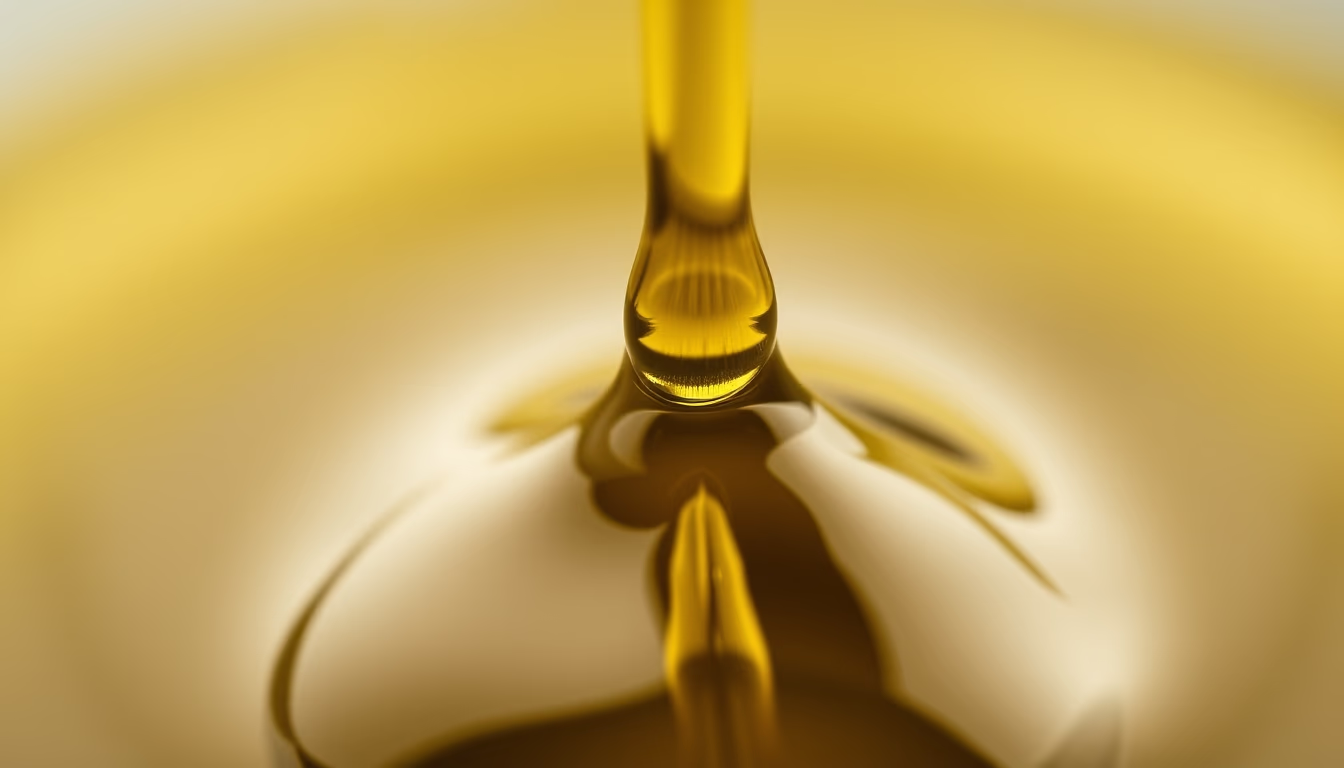
Olive oil pouring from bottle
1344×768 · AVIF · CC BY 4.0
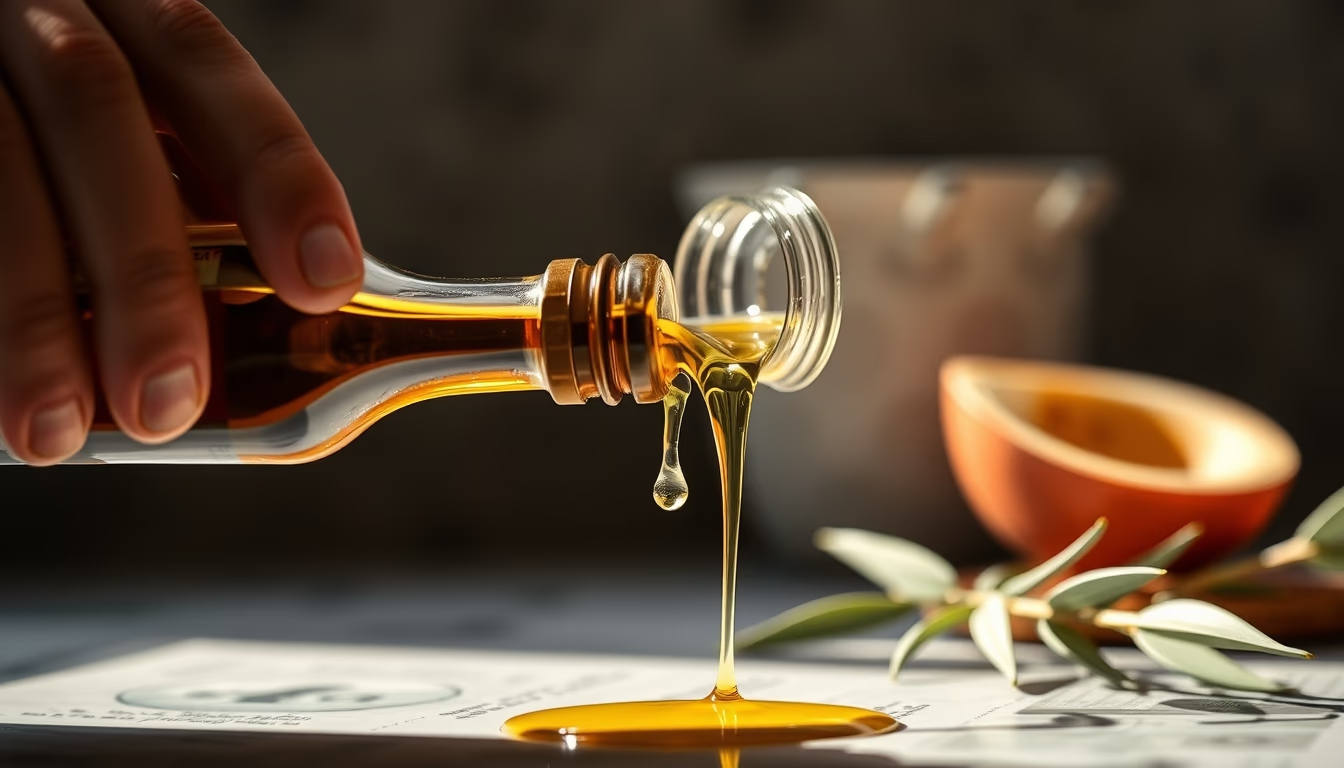
Olive oil, extracted from olives, is an ancient staple of the Mediterranean diet, prized for its health benefits and flavor.
About this subject
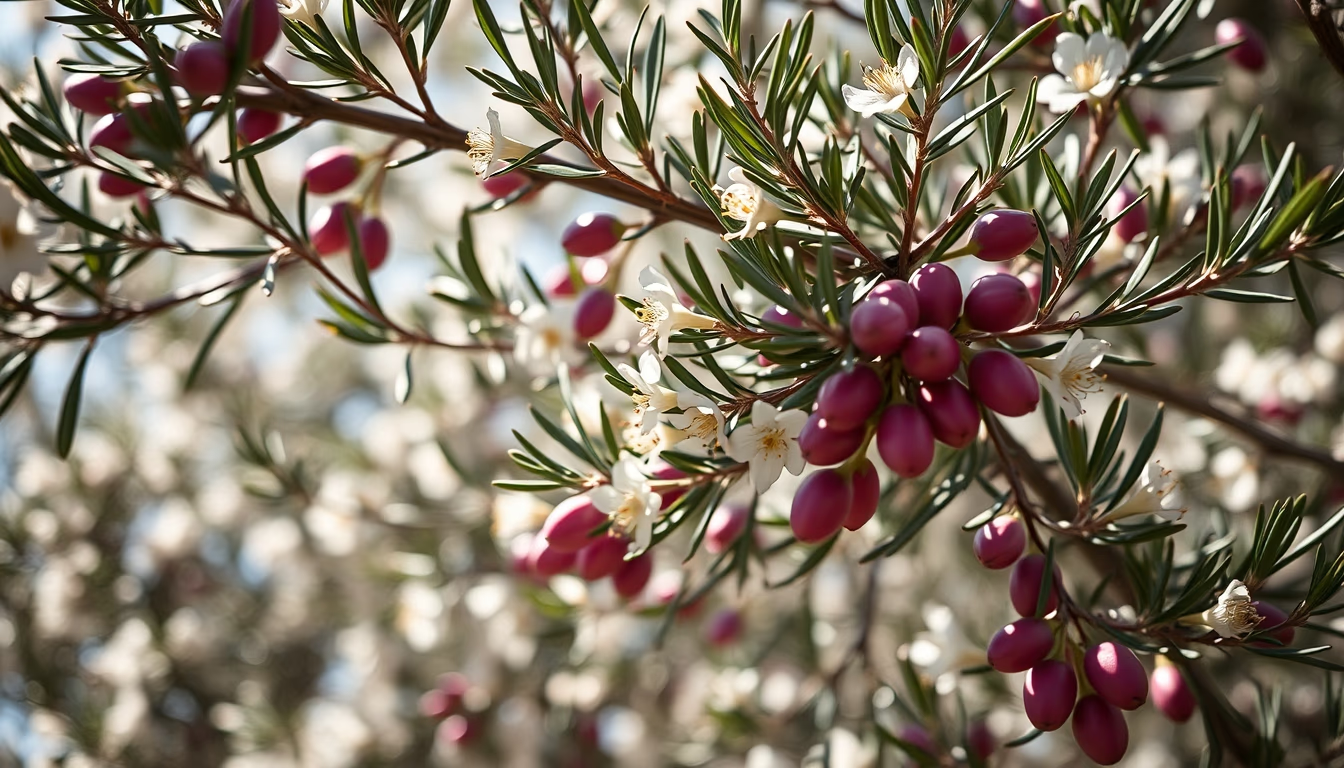
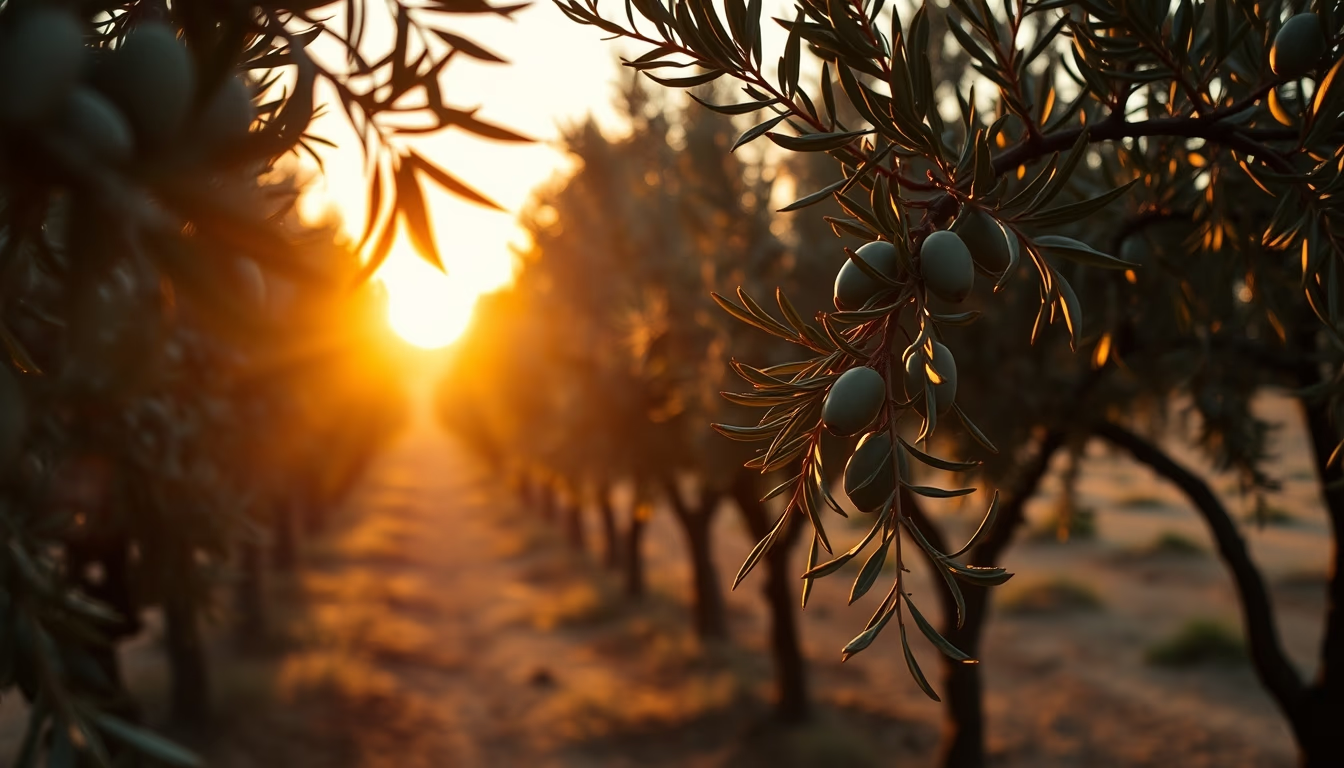
Olive oil is obtained by pressing olives, the fruit of the olive tree (Olea europaea). Originating in the Mediterranean region, its cultivation dates back over 6,000 years, with archaeological evidence in Greece, Italy, and the Middle East. Current global production exceeds 3 million metric tons annually, led by Spain, followed by Italy and Greece. Cold-pressed methods preserve phenolic compounds and monounsaturated fatty acids, responsible for its cardioprotective benefits.
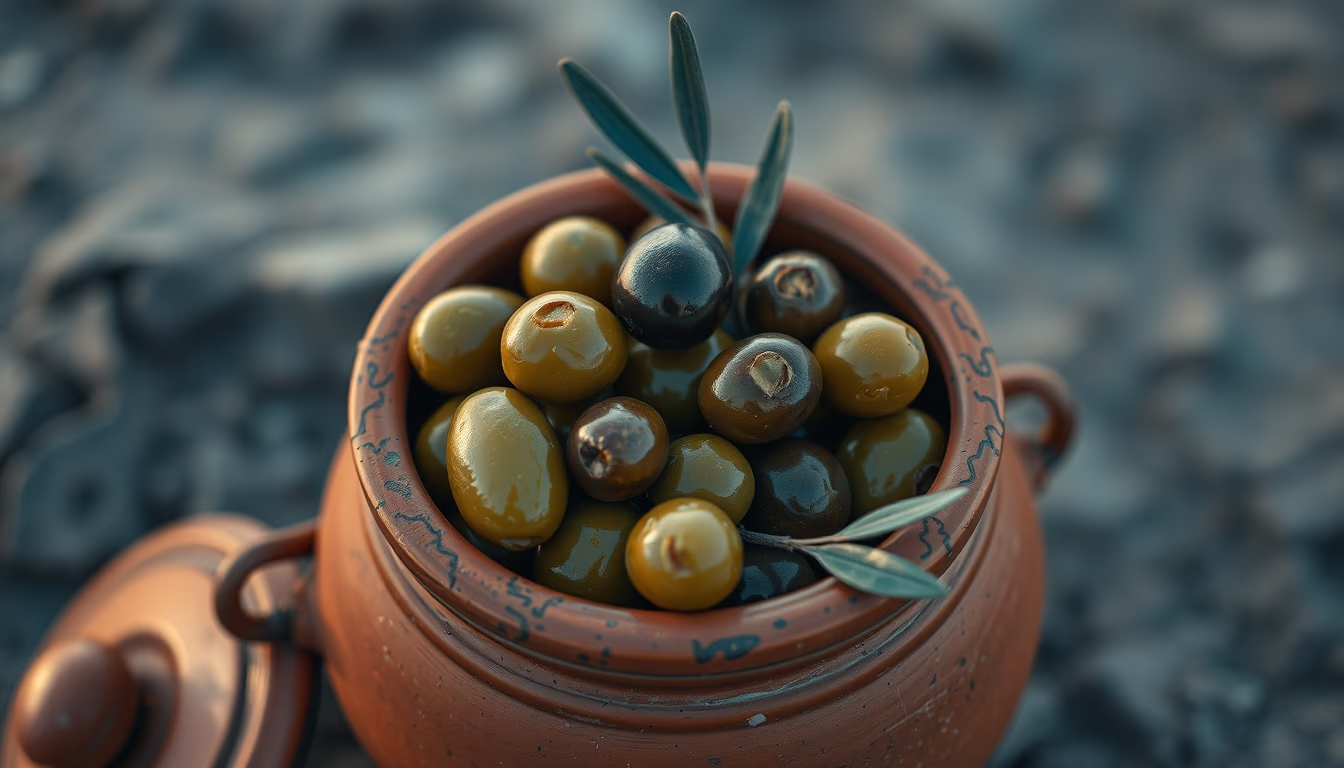
There are different commercial grades: extra virgin (acidity below 0.8%), virgin (up to 2%), and refined. Extra virgin is the purest, richest in antioxidants. Countries like Portugal and Chile also produce award-winning varieties. Beyond culinary uses in salads, sauces, and sautéing, olive oil is used in cosmetics and food preservation, such as cheese and vegetables.
Olive harvest occurs between October and February in the Northern Hemisphere. Olives are picked manually or by mechanical vibration and processed within 24 hours to avoid oxidation. New oil is highly prized in the gourmet market. In Mediterranean culture, olive oil symbolizes peace and prosperity, mentioned in the Bible and Greek mythology.
Nutritionally, olive oil is rich in vitamin E and oleocanthal, a compound with anti-inflammatory properties similar to ibuprofen. Studies correlate its consumption with reduced heart disease and Alzheimer's risk. Flavored olive oils with herbs and spices are gaining popularity in contemporary gastronomy.
Frequently Asked Questions
What is the difference between extra virgin and virgin olive oil?
Extra virgin olive oil has a maximum acidity of 0.8% and is obtained by cold mechanical processes, preserving more nutrients. Virgin olive oil has acidity up to 2% and may have minor sensory defects.
How should olive oil be stored?
Keep it in a cool, dark place away from heat. Use dark glass or stainless steel containers. Avoid exposure to air to prevent oxidation. Consume within 12 to 18 months of pressing.
Can olive oil be used for frying?
Yes, especially refined or virgin olive oil, which can withstand higher temperatures. Extra virgin has a lower smoke point (around 180°C), making it ideal for sautéing and dressings.
Direct URL
https://pub-c7d6a6ea828543ac903a74a341ccb2e1.r2.dev/imagens/olive-oil-pouring-from-bottle-magazine-editorial-p3.avifHow to credit
Include a visible link back to UtilizAí. Copy one of the snippets below:
<a href="https://xn--utiliza-eza.com/en/midia/imagens/olive-oil-pouring-from-bottle-magazine-editorial-p3">Olive oil pouring from bottle</a> by <a href="https://xn--utiliza-eza.com">UtilizAí</a>, licensed under <a href="https://creativecommons.org/licenses/by/4.0/">CC BY 4.0</a>.
[Olive oil pouring from bottle](https://xn--utiliza-eza.com/en/midia/imagens/olive-oil-pouring-from-bottle-magazine-editorial-p3) by [UtilizAí](https://xn--utiliza-eza.com), CC BY 4.0
License: CC-BY-4.0