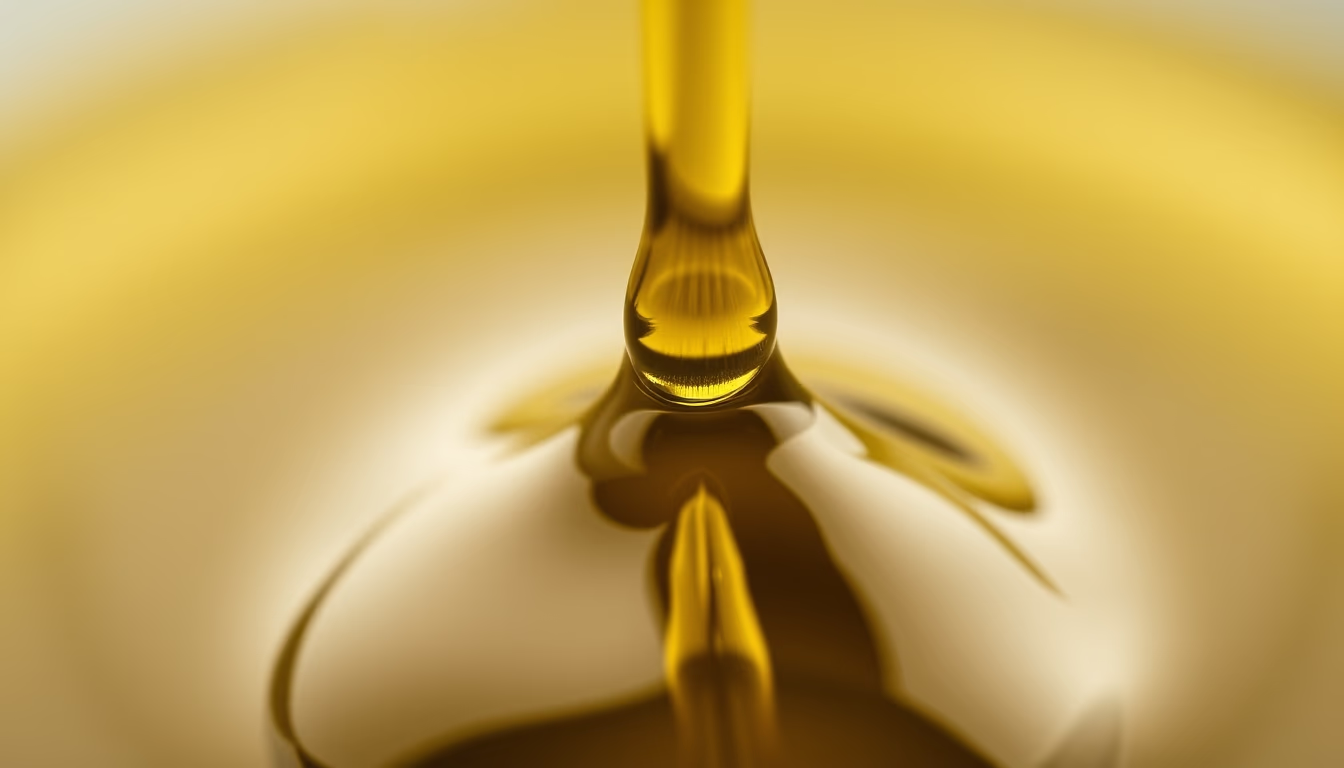
Olive oil pouring from bottle
1344×768 · AVIF · CC BY 4.0
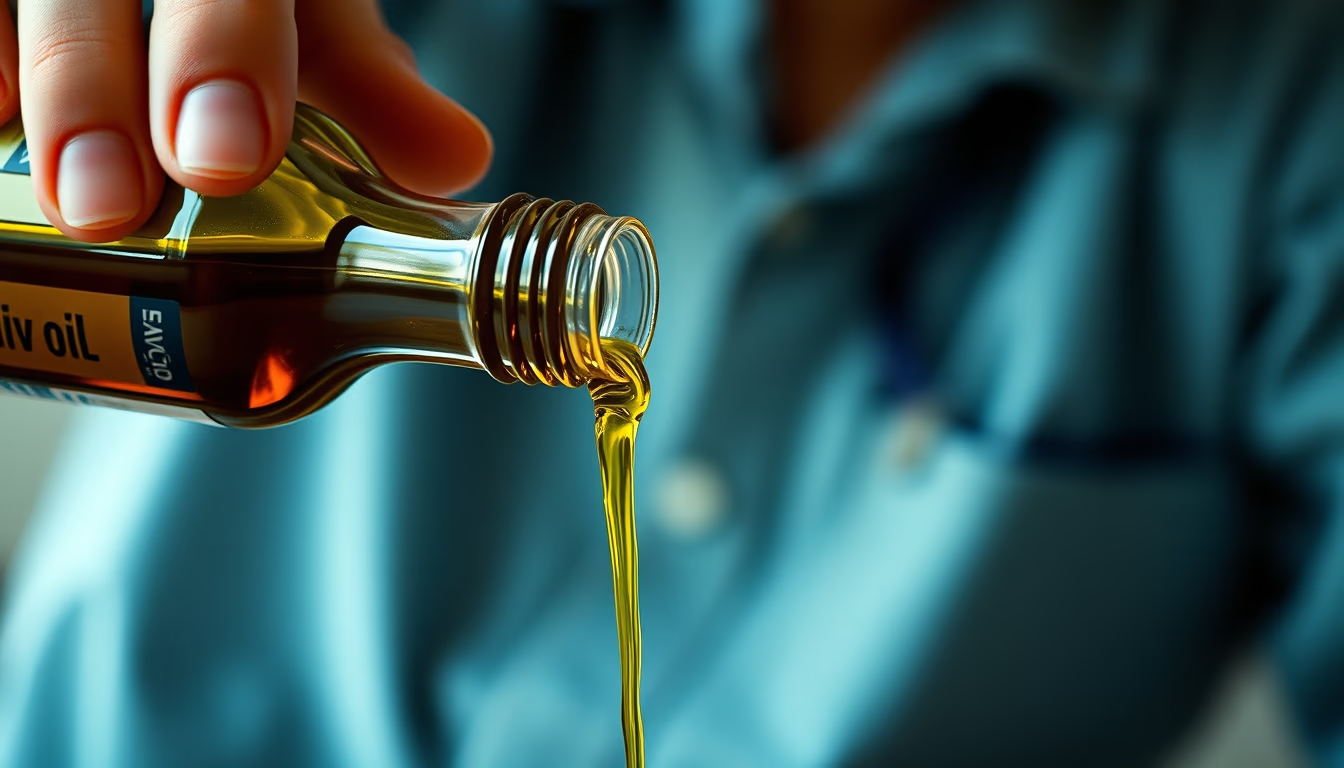
Olive oil is a cornerstone of the Mediterranean diet, valued for its flavor and health benefits.
About this subject
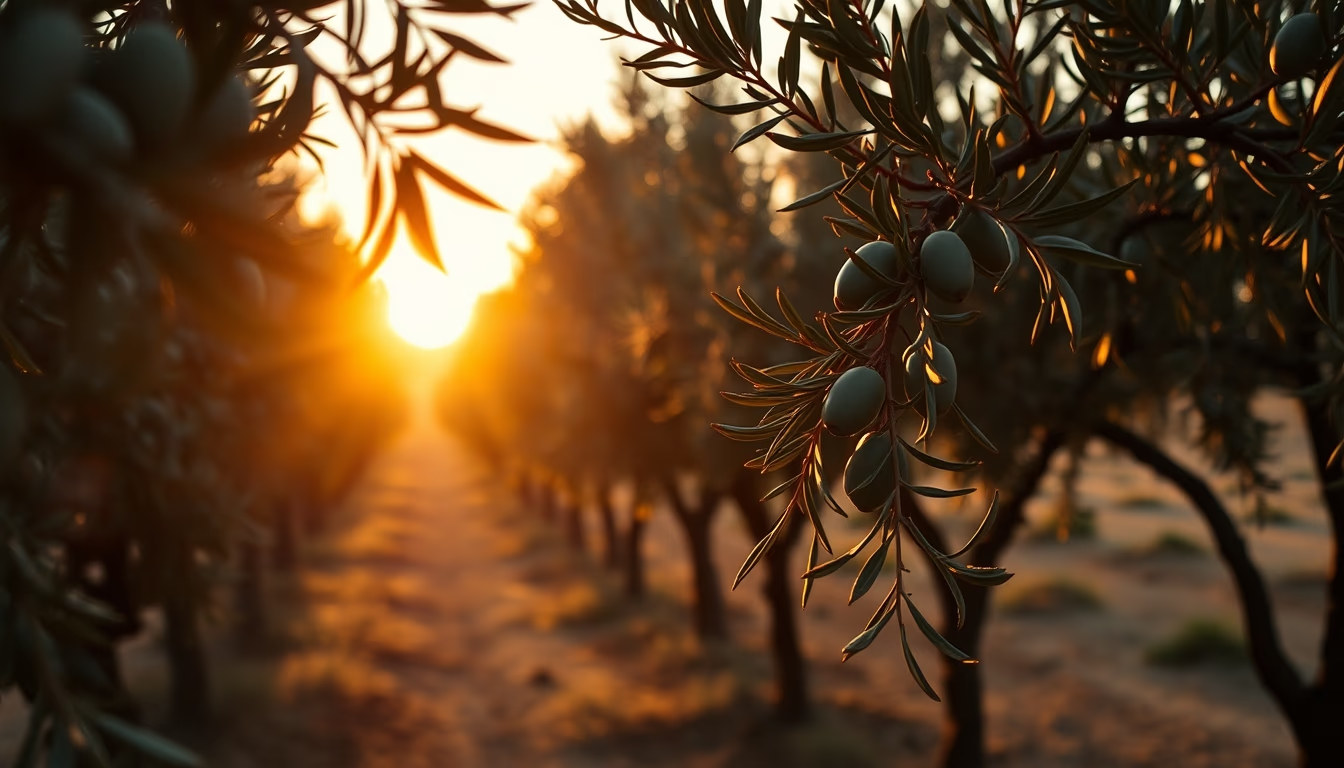
Olive oil, extracted from the fruit of the olive tree (Olea europaea), is one of the oldest and most versatile cooking ingredients in the world. Its production dates back over 6,000 years, with records in the Eastern Mediterranean, especially in regions that now correspond to Syria, Lebanon, and Israel. Today, the largest global producers are Spain, Italy, Greece, Portugal, and Tunisia, accounting for about 90% of world production.
There are different categories of olive oil, classified based on extraction method and acidity level. Extra virgin olive oil (EVOO) is the highest quality, obtained through mechanical cold-pressing and with maximum acidity of 0.8%. Virgin olive oil has acidity up to 2%, while refined olive oil (or pure olive oil) undergoes chemical processes to correct defects. Common olive oil is a blend of refined and virgin oils. Each type has specific culinary uses: extra virgin is ideal for salads and drizzling, while refined oil better withstands high temperatures for frying.
Beyond gastronomy, olive oil holds significant cultural roles in Mediterranean countries. In ancient Greece, it was considered a gift from the gods and used in religious rituals, such as anointing kings and Olympic athletes. In Italy, the olive harvest still follows family traditions, with festivals celebrating the season. Olive oil is also a symbol of peace and prosperity, featured in allegories like the olive branch.
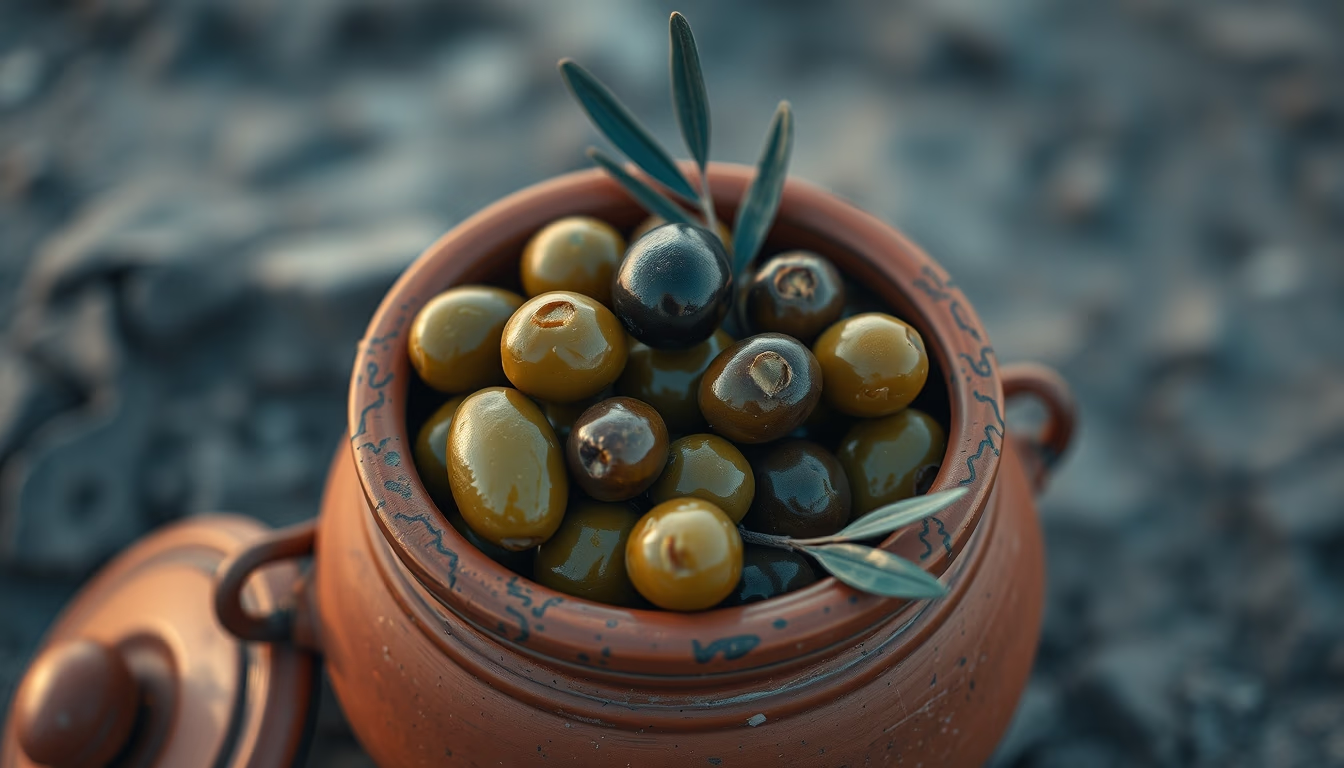
From a nutritional standpoint, olive oil is rich in monounsaturated fatty acids, especially oleic acid, associated with reducing LDL (bad) cholesterol and increasing HDL (good). It also contains antioxidants like polyphenols and vitamin E, which combat cellular aging. Studies indicate that regular consumption of extra virgin olive oil is linked to lower incidence of cardiovascular diseases and greater longevity, a hallmark of the Mediterranean diet. To preserve its properties, it is recommended to store it in a dark, cool place, in glass or ceramic containers, away from light and heat.
Frequently Asked Questions
What is the difference between extra virgin and virgin olive oil?
The main difference is acidity. Extra virgin olive oil has a maximum acidity of 0.8%, while virgin oil has up to 2%. Extra virgin also undergoes a stricter extraction process without chemicals, preserving more flavor and antioxidants.
Can I use extra virgin olive oil for frying?
Yes, but with caution. Extra virgin olive oil has a smoke point of about 190°C (374°F), suitable for light frying and non-stick pans. For high temperatures, use refined olive oil or avocado oil, which withstand up to 240°C (464°F) without burning.
How can I tell if olive oil is good quality?
Check the label for 'extra virgin', harvest date, origin seal (DOP or IGP), and acidity below 0.8%. Price is also an indicator: cheap oils are often blends or lower quality.
Direct URL
https://pub-c7d6a6ea828543ac903a74a341ccb2e1.r2.dev/imagens/olive-oil-pouring-from-bottle-film-grain-authentic-p9.avifHow to credit
Include a visible link back to UtilizAí. Copy one of the snippets below:
<a href="https://xn--utiliza-eza.com/en/midia/imagens/olive-oil-pouring-from-bottle-film-grain-authentic-p9">Olive oil pouring from bottle</a> by <a href="https://xn--utiliza-eza.com">UtilizAí</a>, licensed under <a href="https://creativecommons.org/licenses/by/4.0/">CC BY 4.0</a>.
[Olive oil pouring from bottle](https://xn--utiliza-eza.com/en/midia/imagens/olive-oil-pouring-from-bottle-film-grain-authentic-p9) by [UtilizAí](https://xn--utiliza-eza.com), CC BY 4.0
License: CC-BY-4.0