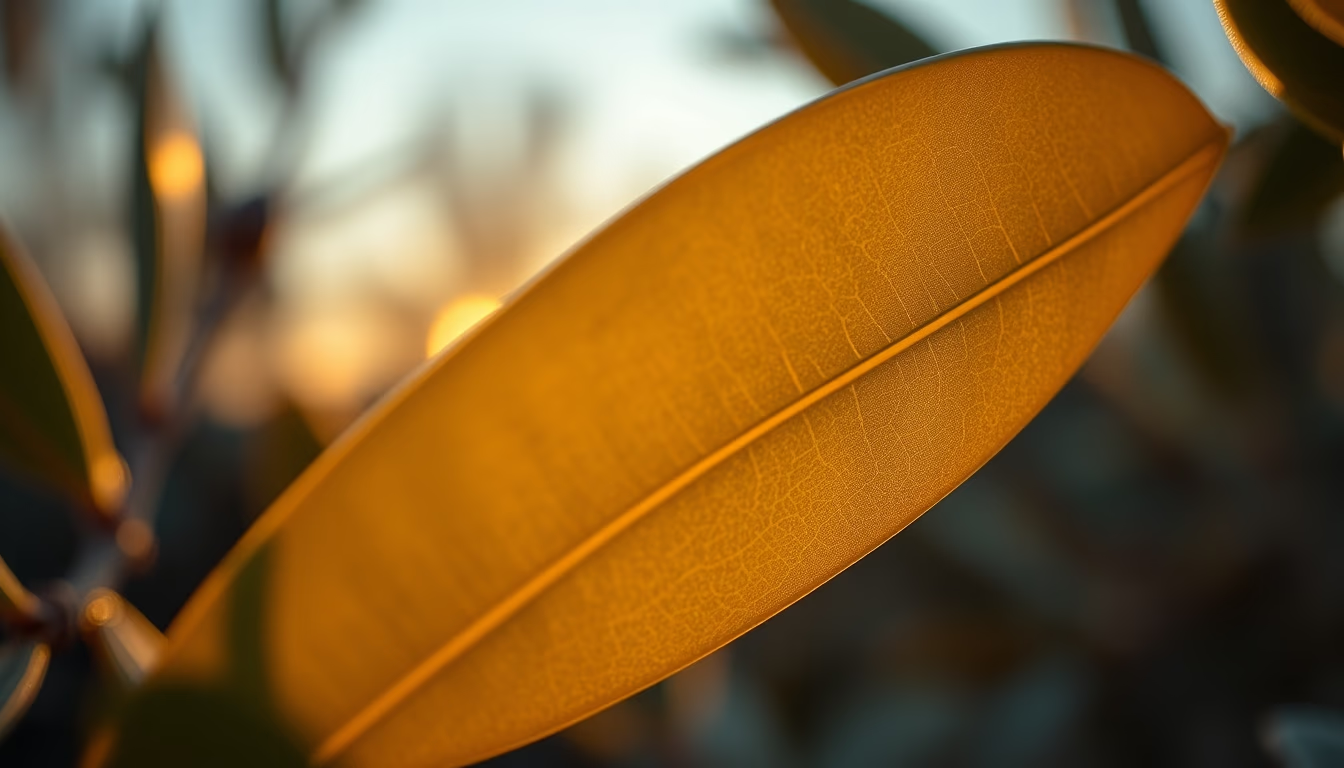
Olive leaf macro detail
1344×768 · AVIF · CC BY 4.0
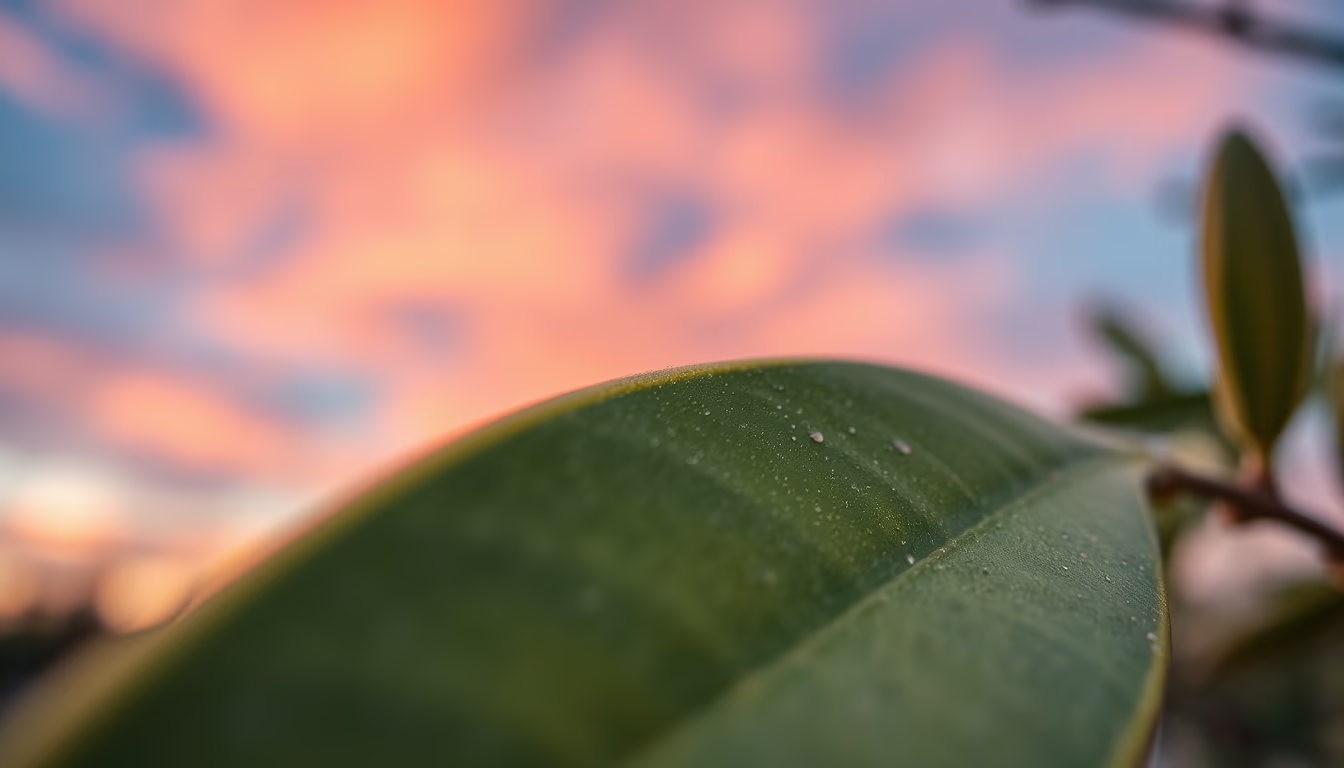
Macro detail of an olive leaf reveals textures and structures adapted to the Mediterranean climate. Learn more about the olive tree and its cultivation.
About this subject
The olive tree (Olea europaea) is an evergreen tree native to the Mediterranean region, cultivated for millennia for its fruit and the oil extracted from them. Its leaves are a remarkable example of adaptation to dry, hot climates. They have a thick cuticle and a silvery layer of hairs on the underside, which reflect sunlight and reduce water loss through transpiration. This characteristic gives the leaves a distinctive silvery sheen, especially under intense sunlight.
Beyond their basic role in photosynthesis, olive leaves have traditional uses. In folk medicine, olive leaf extracts are consumed as tea or supplements, attributed with antioxidant and anti-inflammatory properties, although efficacy is subject to scientific research. The olive tree is a symbol of peace, wisdom, and prosperity in many cultures, particularly in Greek mythology and Judeo-Christian tradition.
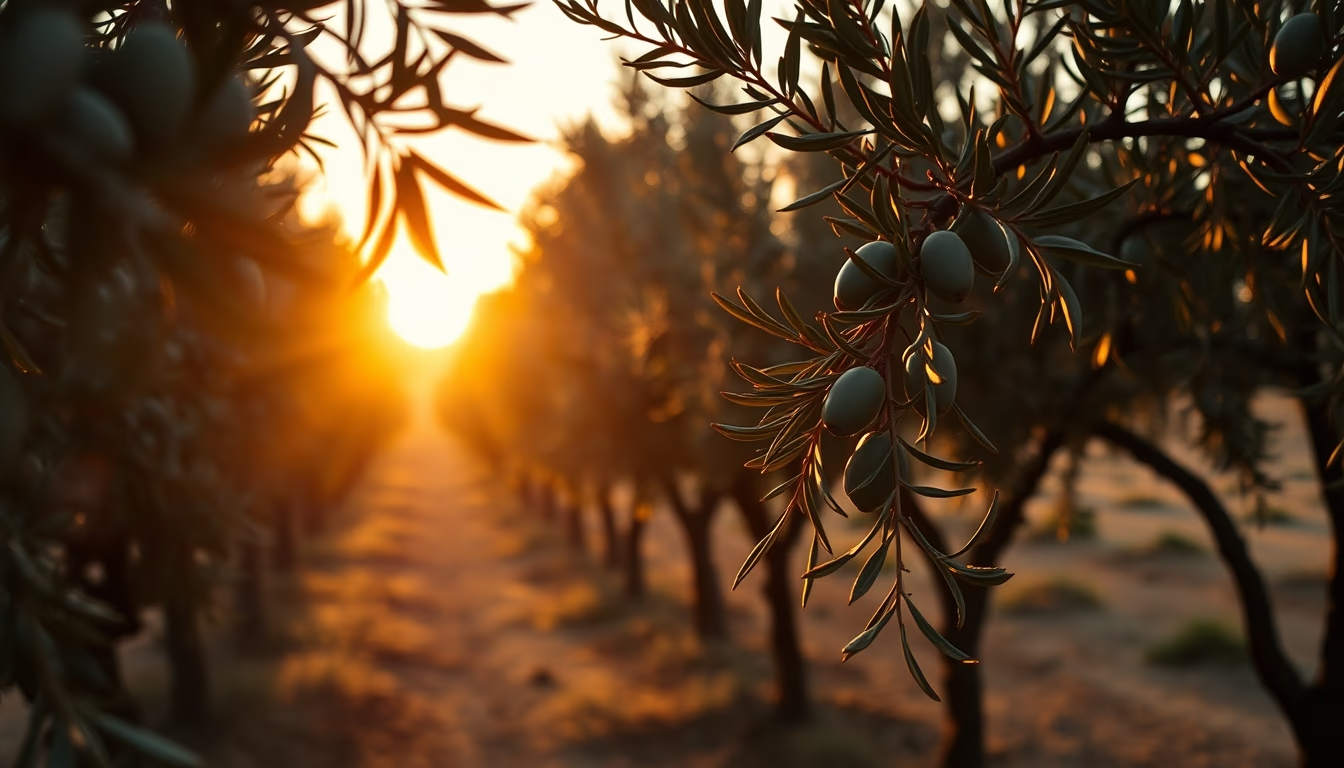
Olive cultivation has expanded globally, including regions such as California, Chile, Australia, and, in Brazil, mainly in the state of Rio Grande do Sul, where small farmers have invested in olive growing. Olive trees are long-lived, often surviving for hundreds or even thousands of years, such as the ancient olive trees found in countries like Portugal and Greece. Harvesting olives for oil production typically occurs between autumn and winter, and techniques range from manual picking to mechanical shakers.
Frequently Asked Questions
Why are olive leaves silvery?
The silvery color comes from a layer of tiny hairs and scales on the underside of the leaf, which reflect sunlight and help reduce water loss, adapting the plant to the dry Mediterranean climate.
Does the olive leaf have medicinal use?
Yes, extracts from olive leaves are traditionally used as tea or supplements, claimed to have antioxidant and anti-inflammatory properties. However, consult a healthcare professional before using them.
Where are olive trees grown in Brazil?
Olive cultivation in Brazil is most significant in the state of Rio Grande do Sul, which has a climate similar to the Mediterranean. Other states also have experimental plantings.
Direct URL
https://pub-c7d6a6ea828543ac903a74a341ccb2e1.r2.dev/imagens/olive-leaf-macro-detail-long-exposure-p7.avifHow to credit
Include a visible link back to UtilizAí. Copy one of the snippets below:
<a href="https://xn--utiliza-eza.com/en/midia/imagens/olive-leaf-macro-detail-long-exposure-p7">Olive leaf macro detail</a> by <a href="https://xn--utiliza-eza.com">UtilizAí</a>, licensed under <a href="https://creativecommons.org/licenses/by/4.0/">CC BY 4.0</a>.
[Olive leaf macro detail](https://xn--utiliza-eza.com/en/midia/imagens/olive-leaf-macro-detail-long-exposure-p7) by [UtilizAí](https://xn--utiliza-eza.com), CC BY 4.0
License: CC-BY-4.0