Olive grove tuscany hillside
1344×768 · AVIF · CC BY 4.0
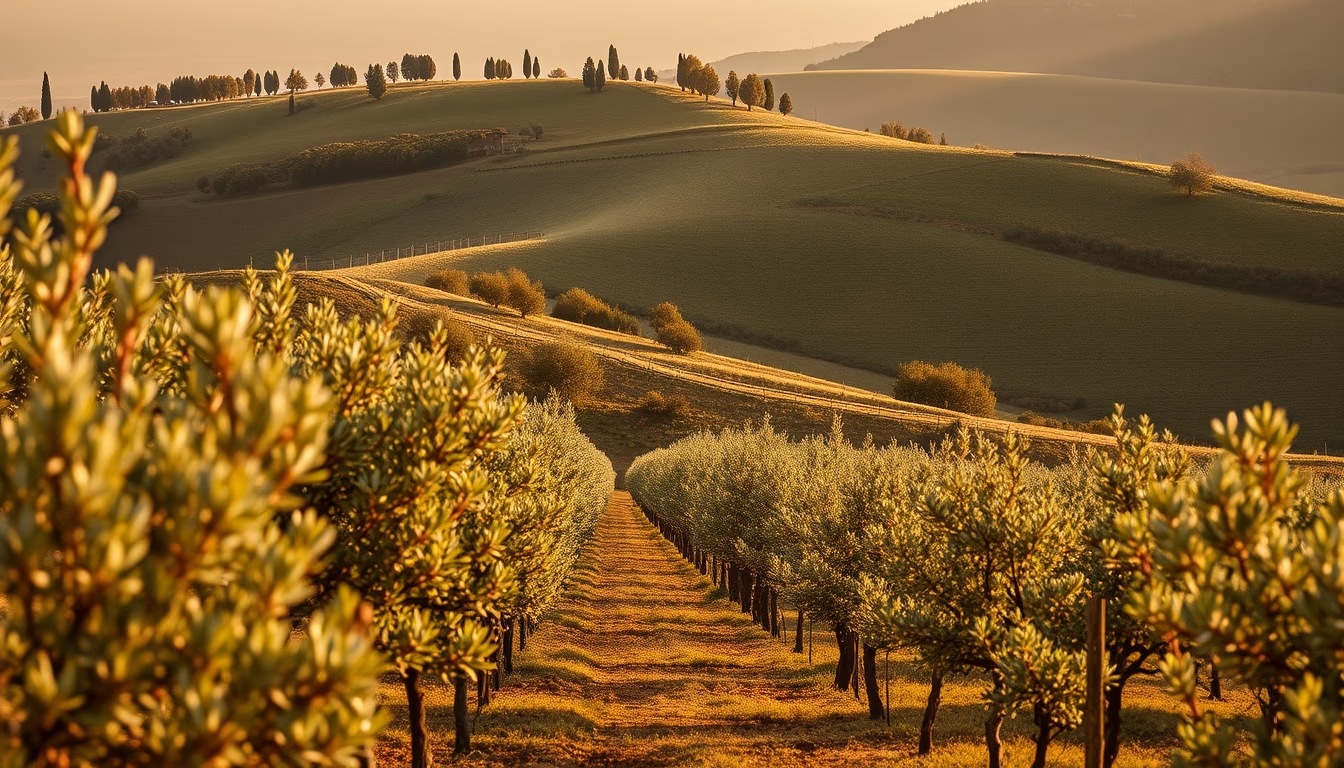
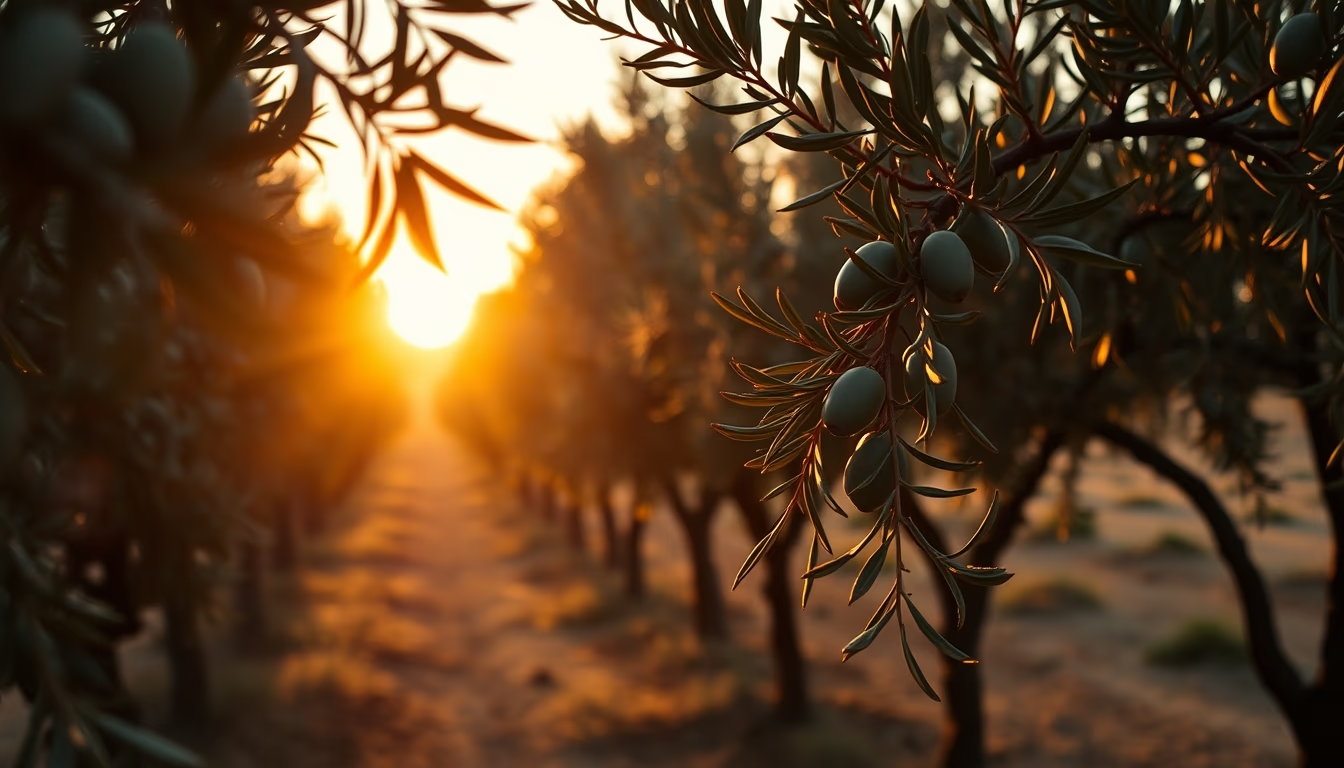
Olive groves on Tuscan hillsides, cradle of Italian extra virgin olive oil. Discover the tradition and landscape of Tuscan olive cultivation.
About this subject
Tuscan olive groves are an icon of the Italian rural landscape, especially on the hills surrounding cities like Florence, Siena, and Lucca. Olive trees (Olea europaea) have been cultivated for millennia in the region, since the Etruscans and Romans. Today, Tuscany is one of Italy's leading producers of extra virgin olive oil, with protected designations of origin (PDO) such as Chianti Classico and Toscano PGI.
The main varieties grown include Frantoio, Leccino, and Moraiolo, which adapt perfectly to the Mediterranean climate and the calcareous soil of the slopes. Harvesting takes place between October and December, often still by hand to preserve quality. The terraced groves help control erosion and drainage, creating a striking visual mosaic.
Beyond economic value, olive groves have cultural significance: Tuscan oil is celebrated in festivals like the 'Festa dell'Olio Nuovo' and is a cornerstone of the Mediterranean diet. Rural tourism allows visits to farms (agriturismi) for tastings and to learn about the production process. Centuries-old olive trees, some over a thousand years old, are witnesses to the region's history.
Despite challenges from climate change and Xylella fastidiosa, Tuscan producers maintain sustainable and organic practices, preserving biodiversity. The olive groves also serve as a habitat for birds and pollinating insects, contributing to the ecological balance of the hills.
Frequently Asked Questions
What is the best time to visit the olive groves of Tuscany?
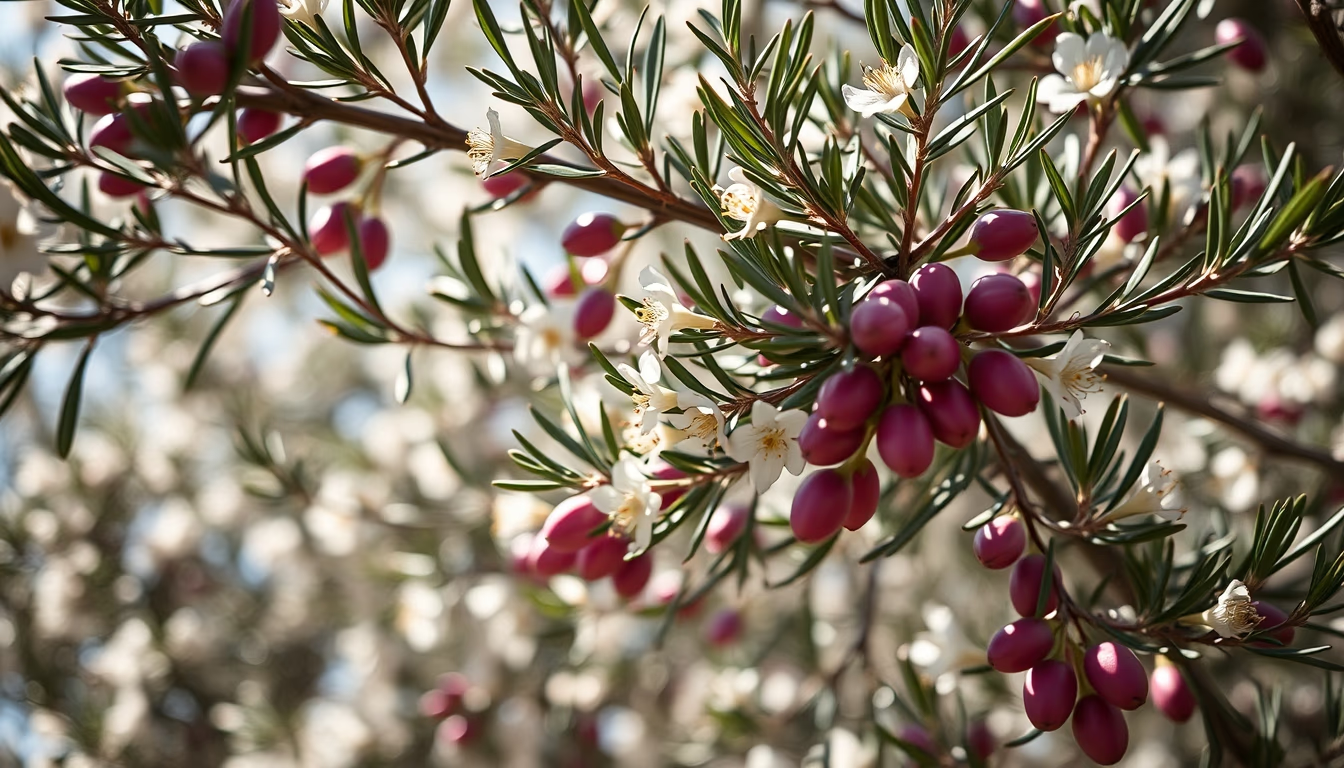
The best time is during the harvest, from October to December, when the trees are full of fruit and there are new oil festivals. Spring (April to June) is also beautiful, with olive trees in bloom.
Which olive varieties are typical of Tuscany?
The main Tuscan varieties are Frantoio, Leccino, and Moraiolo. They produce oils with notes of herbs, green fruit, and almonds, and are the basis for Chianti Classico PDO and Toscano PGI.
What does PDO mean for Tuscan olive oil?
PDO (Protected Designation of Origin) ensures that the oil was produced, processed, and bottled in the region of origin, following strict quality rules. For Tuscany, there are PDOs such as Chianti Classico and Terre di Siena.
Direct URL
https://pub-c7d6a6ea828543ac903a74a341ccb2e1.r2.dev/imagens/olive-grove-tuscany-hillside-travel-photography-p8.avifHow to credit
Include a visible link back to UtilizAí. Copy one of the snippets below:
<a href="https://xn--utiliza-eza.com/en/midia/imagens/olive-grove-tuscany-hillside-travel-photography-p8">Olive grove tuscany hillside</a> by <a href="https://xn--utiliza-eza.com">UtilizAí</a>, licensed under <a href="https://creativecommons.org/licenses/by/4.0/">CC BY 4.0</a>.
[Olive grove tuscany hillside](https://xn--utiliza-eza.com/en/midia/imagens/olive-grove-tuscany-hillside-travel-photography-p8) by [UtilizAí](https://xn--utiliza-eza.com), CC BY 4.0
License: CC-BY-4.0